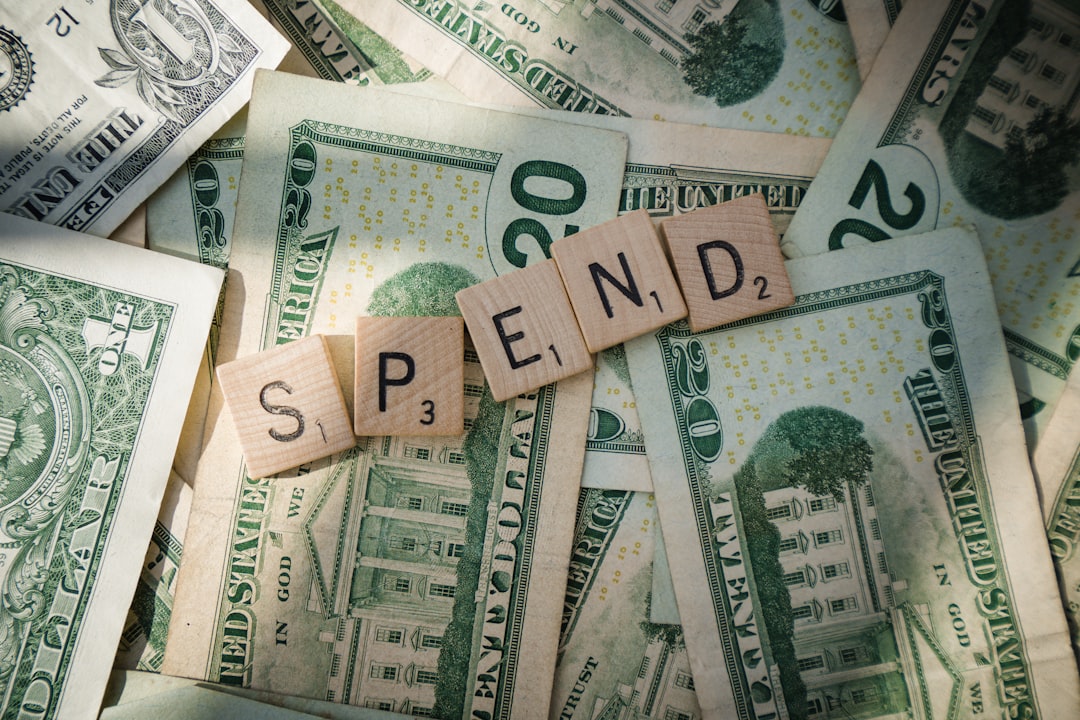
Let’s be honest, we’ve all been there. That moment you check your bank statement and wonder, “Where did all my money go?” In an economy where U.S. consumer spending is projected to grow by 3.7% in 2025, yet inflation remains a concern and average household debt reached $105,056 in 2024, it’s more crucial than ever to be mindful of our spending habits. It’s easy to fall into the trap of impulse buys and subscriptions we barely use. But what if there was a simple, actionable routine to help you regain control and build a healthier financial future? This guide will walk you through five essential steps to reduce unnecessary spending and significantly boost your savings. Let’s get started! 😊
Step 1: Track Every Penny You Spend 🧐
The first and most fundamental step to curbing unnecessary spending is understanding exactly where your money goes. Many of us have a general idea, but the devil is truly in the details. Tracking your expenses provides enhanced financial awareness and control, helping you pinpoint exactly how much you earn and spend. This can reveal spending patterns you might not have noticed, like those daily coffee runs or frequent online orders that add up over time.
In 2024, the global budget apps market saw over 95 million active users, with more than 38 million users in the United States alone. These apps, often featuring AI and automation, assist over 42% of users in forecasting expenses and analyzing spending patterns. Whether you opt for a digital solution like a budgeting app or a simple spreadsheet, the goal is to record every transaction, no matter how small. This data is invaluable for making informed financial decisions and setting realistic budgets.
According to Truist, tracking every dollar you spend for a minimum of two months can significantly improve your financial awareness and confidence. Many banking apps now offer spending insights, or you can choose from dedicated budgeting apps.
Step 2: Differentiate Needs from Wants 📊
Once you have a clear picture of your spending, the next crucial step is to categorize your expenses into “needs” and “wants.” This distinction is a game-changer for financial security, helping you prioritize where your hard-earned money should go. Needs are essential expenditures for living and working, such as housing, utilities, groceries, transportation, and healthcare. Wants, on the other hand, are discretionary purchases that make life more enjoyable but aren’t critical for survival, like dining out, entertainment, or non-essential gadgets.
A popular budgeting method that balances needs and wants is the 50/30/20 rule. This framework suggests allocating 50% of your income toward needs, 30% toward wants, and 20% toward savings or debt repayment. This approach ensures that essential expenses are covered before discretionary spending and savings goals.
Common Spending Categories
| Category | Description | Examples | Priority |
|---|---|---|---|
| Needs | Essential for survival and daily living | Rent/Mortgage, Utilities, Groceries, Healthcare, Transportation | High (50% of income) |
| Wants | Non-essential, for comfort and enjoyment | Dining out, Entertainment, Streaming services, New gadgets, Travel | Medium (30% of income) |
| Savings/Debt Repayment | Funds set aside for future goals or debt reduction | Emergency fund, Retirement, Loan payments (above minimums) | High (20% of income) |
While it’s important to cut back on wants, a budget that is too restrictive can lead to frustration and failure. Allow yourself some discretionary spending to maintain a balanced and sustainable financial plan.
Key Checkpoints: What You Absolutely Need to Remember! 📌
You’ve made it this far! With so much information, it’s easy to forget the most critical points. Let’s quickly recap the three essential takeaways from our journey to financial freedom. Keep these in mind as you move forward.
-
✅
Track Everything:
Accurate expense tracking is the foundation of effective budgeting and helps you identify hidden spending patterns. -
✅
Needs vs. Wants:
Distinguish between essential needs and discretionary wants to prioritize spending and avoid financial strain. -
✅
The 50/30/20 Rule:
Allocate 50% to needs, 30% to wants, and 20% to savings/debt repayment for a balanced and sustainable budget.
Step 3: Implement the 30-Day Rule 🗓️
Impulse purchases are a major culprit of unnecessary spending. The “30-Day Rule” is a simple yet powerful strategy to combat this. It involves delaying any non-essential purchase for 30 days. When you feel the urge to buy something, note it down along with the date. During this cooling-off period, you give yourself time to consider whether it’s a genuine need or just a fleeting desire.
This purposeful delay helps you differentiate between impulse desires and genuine needs, often leading the urge to buy to wane over time. It promotes better financial decisions by allowing you to research alternatives, compare prices, and assess the actual value of the item. By implementing this rule, you cultivate financial discipline, reduce buyer’s remorse, and enhance your savings.
The 30-Day Rule can be applied to both large purchases and small daily expenses. Consider how much you could save by making coffee at home for a month instead of buying a $6 specialty coffee daily.
Step 4: Automate Your Savings and Bill Payments 👩💼👨💻
One of the most effective ways to ensure you’re consistently saving and avoiding late fees is to automate your finances. Setting up automatic transfers from your checking account to a savings or investment account can help grow your money while reducing the temptation to spend it. This “out of sight, out of mind” approach makes saving a passive habit rather than an active struggle.
Despite the ease and benefits, a 2023 survey found that only 17% of people rely on automatic transfers or deposits to build their savings. However, the trend towards digital tools for money management is growing, with 45.3% of respondents reporting using some kind of digital solution. Many personal finance apps offer automated savings tools, with over 55% of users preferring apps that automate savings goals. Automating bill payments also prevents missed deadlines and potential penalties, contributing to overall financial stability.
Step 5: Regularly Review and Adjust Your Budget 📚
A budget isn’t a one-and-done task; it’s a living document that needs regular attention. Regularly reviewing and revising your budget is crucial for staying on track with financial goals, identifying spending patterns, and preventing overspending. Life changes – income fluctuates, unexpected expenses arise, and market conditions shift. Your budget needs to adapt to these realities.
Financial experts generally recommend reviewing your budget monthly or quarterly. Monthly reviews allow for close monitoring of cash flow and minor adjustments, while quarterly reviews are ideal for assessing bigger-picture trends and long-term strategies. This proactive approach helps you catch financial problems early, make the most of your money, and ensure you’re always aligned with your financial goals.
Real-Life Example: Sarah’s Journey to Financial Freedom

- Situation: Sarah, a marketing professional, felt overwhelmed by her credit card debt, which averaged $6,492 in July 2025 with an average interest rate of 22.25%. She knew she was overspending but couldn’t pinpoint where.
- Step 1 (Track): Sarah started using a budgeting app to track every expense for two months. She discovered she was spending nearly $400 a month on dining out and impulse online shopping.
- Step 2 (Needs vs. Wants): She categorized her expenses, realizing many of her “wants” were eating into her ability to pay down debt. She aimed to follow the 50/30/20 rule.
- Step 3 (30-Day Rule): For any non-essential item over $20, she implemented the 30-day rule. This helped her avoid several impulse purchases, including a new pair of shoes she initially “needed.”
- Step 4 (Automate): Sarah set up an automatic transfer of $200 each paycheck to a high-yield savings account and automated her minimum credit card payments, plus an extra $100 towards the principal.
- Step 5 (Review & Adjust): She reviewed her budget monthly. After three months, she noticed her dining-out expenses were still high, so she adjusted her “wants” budget and planned more home-cooked meals.
Final Result
– Debt Reduction: By consistently applying these steps, Sarah reduced her credit card debt by over $1,500 in six months and started building an emergency fund.
– Financial Confidence: She gained a greater sense of control and significantly reduced her financial stress.
Sarah’s story isn’t unique. By diligently following these steps, you too can transform your financial habits and achieve your savings goals. It takes commitment, but the peace of mind and financial security are well worth the effort.
Wrapping Up: Your Path to Smarter Spending 📝
Reducing unnecessary spending isn’t about deprivation; it’s about intentionality and empowering yourself to make choices that align with your financial goals. By tracking your expenses, distinguishing needs from wants, implementing the 30-day rule, automating your savings, and regularly reviewing your budget, you’re building a robust framework for financial wellness. Remember, even small changes can lead to significant savings over time.
What steps will you take first to reduce unnecessary spending? Share your thoughts and questions in the comments below! We’d love to hear from you. 😊