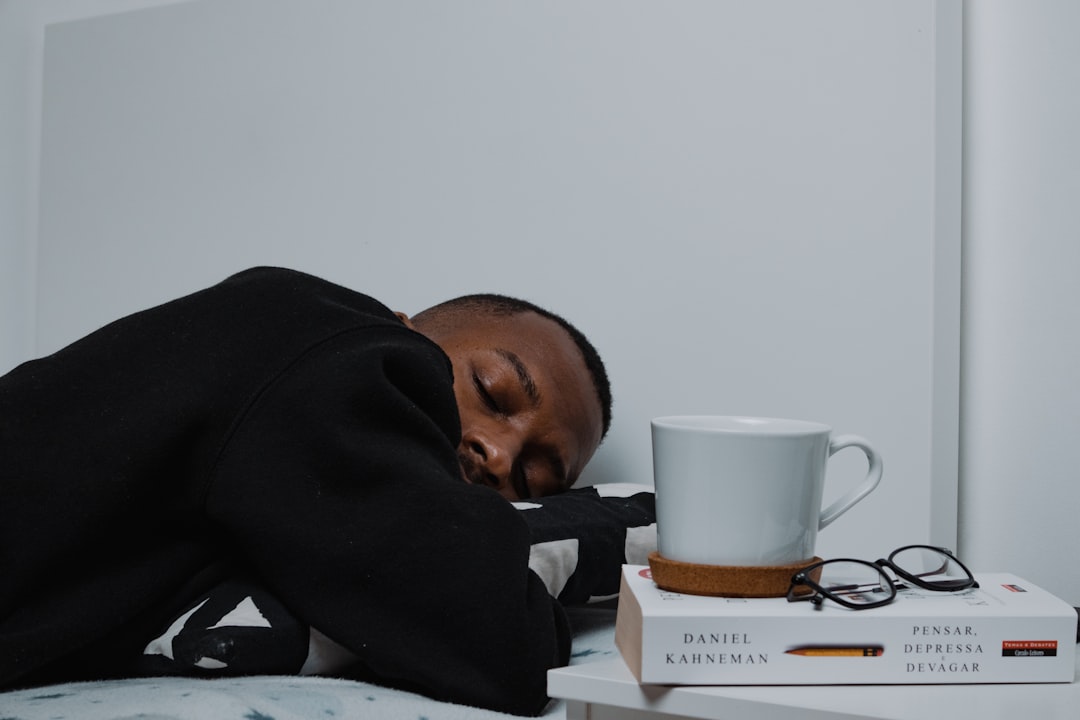
Do you ever find yourself tossing and turning, staring at the ceiling, wishing for just a few more hours of solid sleep? You’re not alone. In our fast-paced world, quality sleep often feels like a luxury rather than a necessity, but it’s absolutely vital for our physical and mental well-being. I know I’ve had my fair share of restless nights, and it truly impacts everything from my mood to my productivity. The good news is, science is constantly evolving, offering us new insights and actionable strategies to improve our sleep. Let’s dive into the latest research and discover how we can all achieve better, more restorative sleep in 2025! 😊
The Science Behind Your Sleep: Circadian Rhythms & Beyond 🤔
Before we jump into tips, let’s briefly understand the fundamental science governing our sleep. At the heart of it all is your circadian rhythm, your body’s natural 24-hour internal clock. This rhythm dictates when you feel sleepy and when you feel alert, influencing everything from hormone production to body temperature.
Your circadian rhythm is primarily influenced by external cues, especially light and darkness. When it gets dark, your brain’s suprachiasmatic nucleus (SCN) signals the pineal gland to release melatonin, the hormone that makes you feel sleepy. Conversely, light suppresses melatonin production, promoting wakefulness. Disruptions to this delicate balance, like jet lag or irregular schedules, can throw your internal clock off, leading to sleep problems.
Sleep isn’t just a passive state. It consists of different stages, including light sleep, deep sleep (slow-wave sleep), and REM (Rapid Eye Movement) sleep. Each stage plays a vital role in physical restoration, memory consolidation, cognitive functions, and emotional processing.
Sleep in 2025: Statistics and Emerging Trends 📊
It’s clear that many of us are struggling to get enough quality sleep. According to a May 2025 report, over one-third of Americans sleep less than 7 hours per night on average, despite the recommended 7+ hours. Furthermore, nearly 50% of American workers report feeling tired during the day due to insufficient sleep. The global sleep economy reached an impressive USD 585 billion in 2024, reflecting the increasing demand for sleep-enhancing products and services.
Several interesting trends are shaping the sleep landscape in 2025:
- The Rise of Sleep Anxiety: Fueled by digital dependency and economic stress, sleep anxiety—excessive worry about sleep quality—is a critical wellness challenge. A 2024 study found nearly 40% of Gen Z adults report sleep-related anxiety at least three times a week.
- AI Sleep Revolution: Artificial intelligence is making significant impacts in sleep research, consumer tech, and disorder management, from AI-driven diagnostics for sleep apnea to personalized sleep coaching.
- Sleep Divorce: More couples are choosing to sleep separately to improve individual sleep quality, especially due to mismatched schedules, snoring, or temperature preferences.
- Sleep Caves: This trend focuses on creating a bedroom environment that mimics pre-modern sleeping conditions, emphasizing total darkness to support melatonin production.
US Adult Weekday Sleep Duration (2019-2021)
| Year | Less than 7 hours | 7-9 hours (Recommended) | More than 9 hours |
|---|---|---|---|
| 2019 | 53% | 38% | 9% |
| 2020 | 47% | 42% | 11% |
| 2021 | 45% | 44% | 11% |
Source: Market.us Media, 2025
While sleep tracking devices can be helpful, a study published in the Journal of Clinical Sleep Medicine highlights the rise of “orthosomnia,” where individuals become obsessed with achieving perfect sleep, leading to heightened stress and poorer sleep outcomes. Don’t let the pursuit of perfect sleep become another source of anxiety!
Key Checkpoints: Remember These for Better Sleep! 📌
You’ve made it this far! With all this information, it’s easy to forget the most crucial points. Let’s recap the three most important takeaways to help you on your journey to better sleep.
-
✅
Prioritize a Consistent Sleep Schedule
Going to bed and waking up at the same time every day, even on weekends, is fundamental for regulating your circadian rhythm and improving sleep quality. -
✅
Optimize Your Sleep Environment and Pre-Bed Routine
Create a cool, dark, and quiet bedroom sanctuary. Avoid blue light from screens for at least 30-60 minutes before bed and engage in relaxing activities. -
✅
Be Mindful of Diet, Exercise, and Stimulants
Avoid large meals, caffeine (especially in the afternoon/evening), and alcohol before bedtime. Regular physical activity can improve sleep, but avoid vigorous exercise too close to sleep.
Practical Scientific Tips for Your Best Sleep 👩💼👨💻
Now that we understand the ‘why,’ let’s focus on the ‘how.’ Here are actionable, science-backed tips to help you achieve truly restorative sleep:
- Stick to a Consistent Sleep Schedule: This is arguably the most crucial tip. Go to bed and wake up at the same time every day, even on weekends. This helps regulate your body’s internal clock and strengthens your sleep-wake cycle.
- Optimize Your Sleep Environment: Your bedroom should be a sanctuary for sleep. Keep it cool (around 60-67°F or 15-19°C), dark, and quiet. Consider blackout curtains, earplugs, or a white noise machine if needed. Invest in a comfortable mattress and pillows.
- Limit Blue Light Exposure: Screens from phones, tablets, and computers emit blue light that suppresses melatonin production, making it harder to fall asleep. Avoid electronic devices for at least 30-60 minutes, or even 2 hours, before bedtime.
- Create a Relaxing Bedtime Routine: Wind down before bed with calming activities. This could include reading a physical book, meditating, taking a warm bath or shower (which can help you fall asleep faster by cooling your core body temperature), or listening to soft music.
- Watch Your Diet and Drink Habits: Avoid large, heavy, or spicy meals close to bedtime. Limit caffeine intake, especially in the afternoon and evening (some studies suggest cutting off caffeine 4-6 hours before bed, or even 12 hours for larger doses). While alcohol might make you feel drowsy, it ultimately disrupts sleep quality later in the night.
- Incorporate Regular Physical Activity: Daily exercise can significantly improve sleep quality and help you fall asleep faster. However, try to finish vigorous workouts a few hours before bedtime.
- Get Daylight Exposure: Exposure to natural light, especially in the morning, helps regulate your circadian rhythm and promotes better nighttime sleep.
Recent research (as of September 2025) suggests that warming your extremities, like your feet, before bed can be as effective as some over-the-counter sleep aids in helping you fall asleep faster. This is because dilating blood vessels in the skin helps your core body temperature cool, signaling to your body it’s time for sleep.
Real-Life Application: Sarah’s Journey to Better Sleep 📚
Let’s look at a hypothetical example of how these tips can be applied. Meet Sarah, a 35-year-old marketing professional who struggled with chronic insomnia and daytime fatigue.
Sarah’s Situation
- Irregular Sleep: Went to bed anywhere between 11 PM and 2 AM, woke up inconsistently.
- Evening Habits: Spent hours scrolling social media in bed, often had a large dinner late, and drank coffee until late afternoon.
- Environment: Bedroom was often cluttered, too warm, and light seeped in from the street.
- Daytime: Felt constantly tired, relied on caffeine, and rarely exercised.
Her Action Plan
1) Consistent Schedule: Sarah committed to a strict 10:30 PM bedtime and 6:30 AM wake-up time, even on weekends.
2) Bedroom Makeover: She invested in blackout curtains, set her thermostat to 65°F, and decluttered her room, making it a “sleep cave.”
3) Digital Detox: She started putting her phone away at 9:30 PM, replacing screen time with reading a physical book or listening to a podcast.
4) Dietary Adjustments: Her last coffee was at noon, and she aimed for lighter dinners by 7 PM.
5) Morning Routine: She started taking a brisk 30-minute walk outside each morning to get natural light exposure.
Final Results (After 3 Months)
– Improved Sleep Onset: Falls asleep within 15-20 minutes, compared to over an hour previously.
– Increased Energy: Wakes up feeling refreshed and has reduced her daily caffeine intake significantly.
Sarah’s story highlights that small, consistent changes can lead to significant improvements in sleep quality. It takes dedication, but the benefits are truly life-changing.
Wrapping Up: Your Path to Restful Nights 📝
Achieving optimal sleep is a journey, not a destination. It requires understanding your body’s natural rhythms and making conscious choices to support them. By implementing these science-backed tips, you’re not just aiming for more hours in bed; you’re investing in better health, sharper cognition, and an improved mood. Remember, prioritizing sleep is prioritizing yourself.
What are your biggest sleep challenges, or what’s one tip you’re excited to try? Share your thoughts in the comments below! 😊
Your Sleep Success Blueprint
Frequently Asked Questions ❓