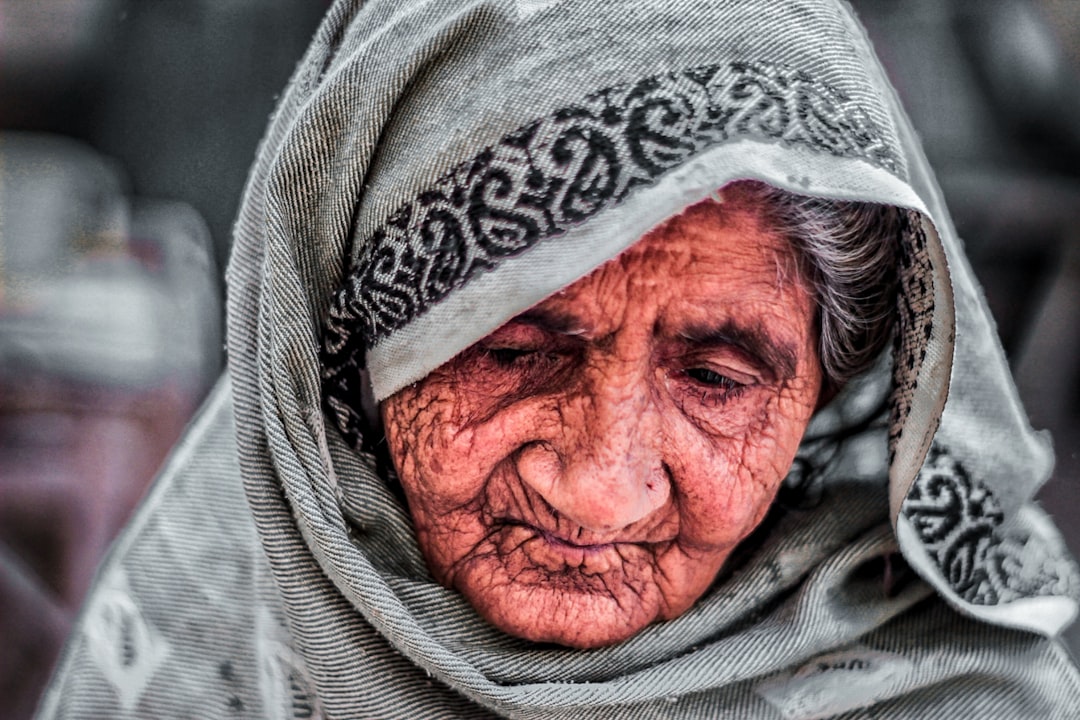
Have you ever wondered what it truly takes to live a long, healthy, and fulfilling life? It’s a question that has fascinated humanity for centuries, and honestly, it’s something I’ve been pondering a lot lately. We often hear about groundbreaking scientific discoveries, but sometimes, the real secrets lie in the simple, consistent choices made by people who’ve already achieved remarkable longevity. Today, we’re going to explore those very habits, drawing inspiration from the world’s longest-living populations. Let’s dive in! 😊
The Phenomenon of Longevity and Blue Zones 🤔
When we talk about living longer, we’re not just talking about adding years to your life, but adding life to your years – what researchers call “healthspan.” The concept of “Blue Zones” has gained significant attention in this field. These are specific geographical regions where people live remarkably longer and healthier lives than the global average, often reaching 100 years old or more.
Identified by explorer Dan Buettner and his team, the five recognized Blue Zones include Okinawa (Japan), Sardinia (Italy), Ikaria (Greece), Nicoya Peninsula (Costa Rica), and Loma Linda (California, USA). While some researchers have questioned the validity of the data and methods used to identify these zones, they undeniably offer valuable insights into lifestyles that support healthy aging and longevity.
The global centenarian population (people aged 100 and older) is projected to grow eightfold by 2050, from approximately 451,000 in 2015 to 3.7 million. This extraordinary growth highlights the increasing possibility of living a century or more!
The Core Habits of Centenarians 📊
It turns out, the “secrets” to longevity aren’t really secrets at all. They’re often simple, consistent lifestyle choices woven into daily routines. Here are some of the most prominent habits observed in the world’s longest-living people:
1. Plant-Based Diets and Mindful Eating
People in Blue Zones primarily consume a 95-100% plant-based diet, rich in fresh fruits, vegetables, whole grains, and beans. Meat is eaten sparingly, often as a small portion or for flavor, rather than being the main focus of a meal. They also practice “Hara Hachi Bu,” a Confucian concept from Okinawa that means “eat only until your stomach is 80% full,” preventing overeating.
2. Constant, Natural Movement
Centenarians don’t typically engage in intense gym workouts. Instead, their lives are structured around daily, natural movement. This includes walking, gardening, and performing household chores. For example, Sardinian shepherds walk five or more miles daily moving livestock. Regular physical activity is associated with a 0.4 to 6.9 year increase in life expectancy. Experts recommend 150 to 300 minutes of moderate or 75 to 150 minutes of vigorous activity per week.
3. Strong Social Connections and Community
Meaningful relationships and regular social interaction are crucial. Strong social connections are considered the most consistent predictor of a long life, reducing the risk of premature death by a magnitude comparable to smoking or obesity. Many centenarians belong to faith-based communities, which provide a sense of belonging and support. In Okinawa, people form “Moais,” lifelong circles of friends who share values and purpose.
4. A Sense of Purpose (Ikigai/Plan de Vida)
Having a “reason to wake up each morning” is a powerful longevity factor. Known as “Ikigai” in Japan or “Plan de Vida” in Costa Rica, a strong sense of purpose is linked to a 46% reduced risk of mortality. Purposeful adults are also less likely to be inactive and experience fewer sleep problems.
5. Stress Reduction Techniques
Chronic stress can accelerate the aging process, leading to inflammation and DNA damage. Centenarians often incorporate daily rituals to reduce stress, such as prayer, naps, or spending time with loved ones. Exercise, mindfulness, and social interaction are also effective stress management tools.
Table: Key Lifestyle Factors for Longevity
| Factor | Description | Impact on Longevity | Example from Blue Zones |
|---|---|---|---|
| Diet | Predominantly plant-based, whole foods, mindful eating (80% full). | Reduced risk of chronic diseases, lower inflammation. | Okinawan sweet potato, “Hara Hachi Bu.” |
| Movement | Regular, natural physical activity integrated into daily life. | Improved cardiovascular health, stronger bones/muscles. | Sardinian shepherds walking daily. |
| Social Bonds | Strong family and community ties, social engagement. | Lower mortality risk, better mental health, stress buffer. | Okinawan Moais. |
| Purpose | A clear reason for living, a sense of direction. | Reduced mortality risk, improved cognitive function, resilience to stress. | Japanese Ikigai, Costa Rican Plan de Vida. |
While genetics play a role (about 25%) in longevity, over 80% of chronic diseases can be prevented with healthy behaviors. This means your lifestyle choices have a significant impact!
Key Takeaways: What to Remember! 📌
You’ve made it this far! With so much information, it’s easy to forget the most crucial points. Let’s quickly recap the three most important things to remember from our journey into the habits of the world’s longest-living people.
-
✅
Embrace a Plant-Forward Lifestyle:
Prioritize whole, unprocessed plant foods and practice mindful eating to avoid overconsumption. -
✅
Cultivate Strong Connections & Purpose:
Social bonds and a sense of meaning are as vital as diet and exercise for a long, happy life. -
✅
Move Naturally & Manage Stress:
Integrate gentle movement into your daily routine and develop effective strategies to reduce chronic stress.
Latest Trends in Longevity Research (2024-2025) 👩💼👨💻
The field of longevity is constantly evolving, with new research and trends emerging. As of late 2024 and heading into 2025, we’re seeing exciting developments:
- Personalized Nutrition and AI: AI and genomics are increasingly used to create tailored health recommendations and improve disease detection.
- Aging Biomarkers and Senolytics: Research into aging biomarkers is going mainstream, and senolytics (drugs that remove senescent cells) are moving toward clinical trials.
- Sleep Optimization: Prioritizing quality sleep is gaining traction, with sleep-tracking apps and devices helping individuals enhance mental clarity and long-term health.
- Longevity Concierge Services: AI-driven health insights and access to longevity medical services are becoming more accessible, moving beyond just the wealthiest.
- Microplastic Testing: Testing for microplastics in the body has emerged as a trend, as these particles may be linked to inflammation and cellular damage.
These trends suggest a shift towards a more proactive, personalized, and scientifically-backed approach to extending both lifespan and healthspan. The focus is on prevention over cure, aiming to remain disease-free for as long as possible.
While these cutting-edge trends are fascinating, the foundational habits of Blue Zone residents remain timeless and accessible to everyone, regardless of technological advancements.
Practical Steps for a Longer, Healthier Life: A Daily Example 📚
So, how can we integrate these powerful habits into our busy modern lives? It doesn’t require moving to a Blue Zone, but rather making intentional shifts. Let’s look at a hypothetical example:
Sarah’s Longevity Journey
- Situation: Sarah, a 45-year-old marketing professional, feels overwhelmed by work stress and has inconsistent energy levels. She wants to improve her health and longevity.
- Goal: Incorporate Blue Zone principles into her routine without drastic changes.
Sarah’s Daily Integration Steps
1) Morning Movement: Instead of checking emails immediately, Sarah takes a 15-minute brisk walk around her neighborhood, often with a friend. This counts towards her 150 minutes of moderate activity per week.
2) Plant-Forward Lunch: She prepares a lunch rich in legumes, vegetables, and whole grains, aiming for a “80% full” feeling. She also adds a handful of nuts as a snack.
3) Purposeful Afternoon: During her lunch break, she dedicates 10 minutes to planning a community garden project she’s passionate about, reinforcing her sense of purpose.
4) Social Connection & Stress Relief: In the evening, she calls her sister or meets a friend for a casual chat, actively nurturing her social bonds. Before bed, she practices 10 minutes of mindfulness meditation to reduce stress.
Expected Results
– Increased Energy: Consistent movement and better nutrition lead to sustained energy throughout the day.
– Reduced Stress: Regular social interaction and mindfulness help manage stress hormones, improving overall well-being.
– Enhanced Healthspan: Over time, these small, consistent habits contribute to a significantly longer and healthier life, reducing the risk of chronic diseases.
Sarah’s example shows that you don’t need radical changes to start your longevity journey. Small, consistent steps can lead to profound long-term benefits. It’s about creating an environment where healthy choices are easy and natural.

Wrapping Up: Your Path to Longevity 📝
As we’ve explored, the habits of the world’s longest-living people aren’t about magic pills or extreme diets. They’re about cultivating a lifestyle rich in plant-based foods, natural movement, strong social ties, a clear sense of purpose, and effective stress management. These are the cornerstones of a long and vibrant life, backed by decades of research and real-world examples from the Blue Zones.
Remember, every small, positive change you make today contributes to a healthier, happier tomorrow. What habit will you start with? I’d love to hear your thoughts and questions in the comments below! Let’s build a community focused on living our best, longest lives. 😊
Longevity Habits at a Glance
Frequently Asked Questions ❓