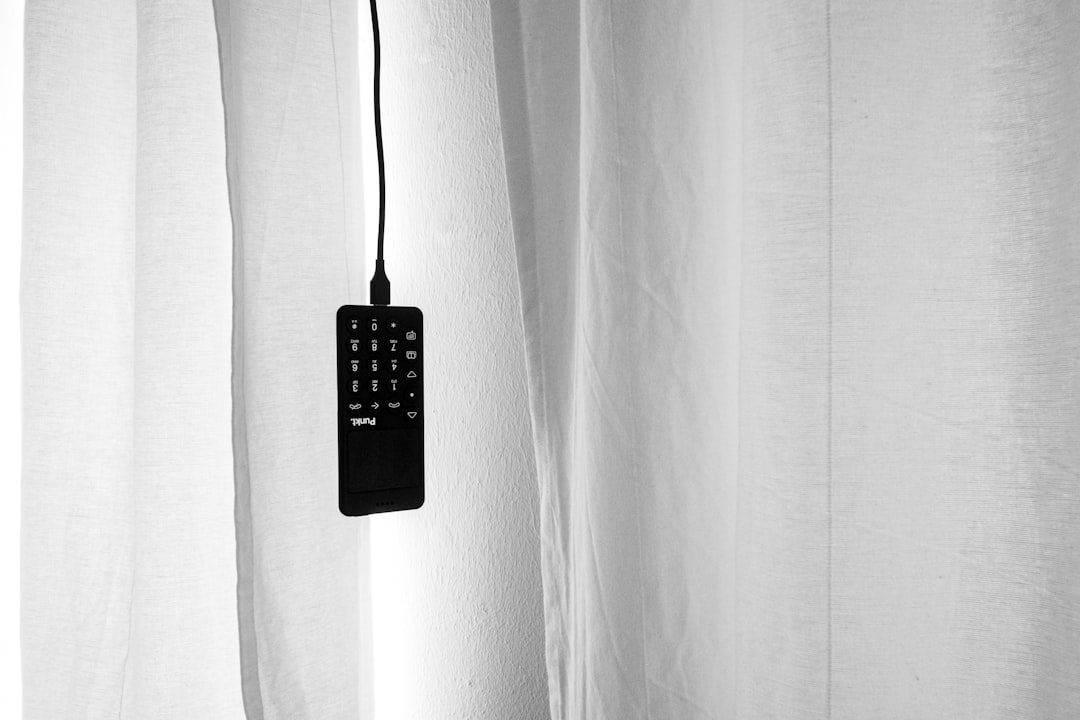
Have you ever felt overwhelmed by the sheer amount of “stuff” in your life? The endless cycle of buying, organizing, and maintaining possessions can be exhausting, leaving us with less time, less money, and more stress. It’s a feeling many of us can relate to, myself included! But what if there was a way to break free from this cycle and find more peace, purpose, and joy? That’s where minimalism comes in. It’s not just about empty rooms; it’s a powerful tool for intentional living that’s gaining significant traction. Let’s explore how you can embrace this transformative lifestyle. 😊
What Exactly is Minimalism? 🤔
At its core, minimalism is a lifestyle philosophy that emphasizes the intentional reduction of material possessions and the simplification of one’s physical and mental space. It’s a conscious choice to prioritize what truly matters – experiences, relationships, personal growth – over the endless pursuit of more “stuff.” It’s about eliminating the unnecessary to bring focus and appreciation to what truly matters.
Many people think minimalism means living with nothing, but that’s a common misconception. Instead, it’s about finding your personal “enough” and curating a life that aligns with your values. It’s a tool to live a meaningful life, stripping away what doesn’t serve you so you can focus on what does.
Minimalism is a journey, not a destination. It’s about progress, not perfection. Your minimalist lifestyle will be unique to you, reflecting your individual goals and values.
The Growing Appeal: Trends & Statistics in 2024-2025 📊
Minimalism is far from a fleeting fad; it’s a growing movement. Recent trends and statistics highlight its increasing adoption as people seek an antidote to modern life’s excesses. For instance, the global Minimalist Lifestyle Products Market was valued at an impressive $10 billion in 2024 and is projected to expand to $25 billion by 2032, demonstrating a compound annual growth rate (CAGR) of 10%.
This growth is largely driven by a rising focus on sustainability, simple living, and reduced consumption. In fact, 64% of millennials and Gen Z reported actively reducing their possessions in 2024, citing environmental concerns, financial freedom, and mental well-being as primary motivations. Social media platforms are also playing a significant role, with “decluttering journeys” and “mindful shopping” guides becoming increasingly popular.
Key Minimalism Trends for 2025
| Trend | Description | Why it Matters |
|---|---|---|
| Minimalist Luxe | Merges simplicity with luxury; high-end finishes, subtle textures, premium materials. | Elevates sensory experience, creating impact through restraint. |
| Warm Minimalism | Shifts from stark whites to softer neutrals, natural materials (wood, stone), and layered textures. | Creates more inviting, human, and approachable spaces. |
| Eco-Minimalism | Prioritizes sustainability, durable and ethically sourced products, waste reduction. | Addresses growing environmental concerns; 61% of consumers link environmental issues to health. |
| Digital Decluttering | Streamlining devices, apps, and digital files to reduce mental clutter. | Enhances focus and frees up mental space in an increasingly digital world. |
While minimalism offers many benefits, it’s not without its challenges. Societal pressures, emotional attachment to possessions, and the fear of missing out (FOMO) can make the journey difficult.
Core Checkpoints: Essential Steps to Embrace Minimalism 📌
You’ve made it this far, and that’s fantastic! The path to minimalism can feel long, so let’s distill the most crucial takeaways. Here are three core checkpoints to keep in mind as you embark on or continue your minimalist journey.
-
✅
Understand Your “Why”
Before you declutter, define your personal goals and values. Knowing *why* you want to live minimally will be your strongest motivator. -
✅
Prioritize Experiences Over Possessions
Shift your focus from accumulating things to investing in meaningful experiences and relationships. These create lasting joy and fulfillment. -
✅
Practice Mindful Consumption
Be intentional about what you bring into your life. Question every purchase: Do I need it? Does it add value? Will I use it?
Practical Steps to Embrace a Minimalist Lifestyle 👩💼👨💻
Ready to start your minimalist journey? Here are actionable steps you can take today. Remember, small changes lead to significant results. Don’t try to tackle everything at once!
- Start Small: Pick one area, like your desk, a single drawer, or your wardrobe, and begin decluttering there. This builds momentum without feeling overwhelming.
- Choose a Decluttering Method:
- The KonMari Method: Keep only items that “spark joy.”
- The 90/90 Rule: If you haven’t used an item in the last 90 days and won’t use it in the next 90, consider letting it go.
- The Four-Box Method: Categorize items into Keep, Donate, Sell, or Trash.
- Implement a “One-In, One-Out” Policy: When you buy something new, commit to donating or selling an existing item. This prevents new clutter from accumulating.
- Embrace Quality Over Quantity: Invest in fewer, high-quality, versatile items that will last longer and serve multiple purposes. This is good for your wallet and the planet.
- Declutter Your Digital Life: Organize your computer files, unsubscribe from unnecessary emails, and streamline your apps. Digital clutter can be just as draining as physical clutter.
- Create a Minimalist Wardrobe: Focus on versatile pieces you love and feel confident in, reducing decision fatigue each morning.
- Practice Gratitude: Regularly reflect on what you’re thankful for. This helps shift your mindset from wanting more to appreciating what you already have.
Don’t forget to address sentimental items. Take photos of them before letting them go, or consider creating a digital memory box to preserve the memories without the physical clutter.
Real-Life Example: Sarah’s Journey to Clarity 📚
Let’s look at Sarah, a marketing professional who found herself constantly stressed and overwhelmed by her possessions and a packed schedule. Her story resonates with many who discovered minimalism out of necessity.
Sarah’s Situation
- Overwhelmed by Clutter: Her apartment was filled with impulse purchases and items she rarely used.
- Financial Strain: Constantly buying new things led to financial stress.
- Mental Fog: The physical clutter translated into mental disarray, making it hard to focus.
Her Minimalist Transformation
1) Defined Her “Why”: Sarah realized she wanted more time for her passions and less financial worry.
2) Started Small: She began by decluttering her wardrobe using the KonMari method, keeping only clothes that “sparked joy.”
3) Adopted Mindful Shopping: She stopped impulse buying and focused on quality over quantity, investing in versatile pieces.
4) Simplified Her Schedule: She learned to say “no” to non-essential commitments, freeing up her time.
Final Results
– Reduced Stress & Anxiety: Her decluttered home led to a clearer mind and reduced cortisol levels.
– Increased Financial Freedom: She saved money by buying less and investing wisely.
– Greater Focus & Well-being: Sarah reported a significant increase in her ability to focus and a deeper appreciation for her life.
Sarah’s story is a powerful reminder that minimalism isn’t about deprivation, but about intentionality. By making conscious choices, she transformed her life, proving that less truly can be more.

Wrapping Up: Your Path to a Simpler, Richer Life 📝
Embracing minimalism is a profound journey that extends beyond just decluttering your physical space. It’s a mindset shift towards intentional living, mindful consumption, and prioritizing what truly brings you joy and purpose. The benefits are clear: reduced stress, increased mental clarity, financial freedom, and a deeper appreciation for life’s non-material aspects.
I hope this guide has inspired you to take the first step, or perhaps continue your journey, towards a simpler, more fulfilling life. Remember, every small step counts! What’s one area you’re excited to declutter first? Share your thoughts in the comments below – I’d love to hear from you! 😊
Minimalism at a Glance
Frequently Asked Questions ❓