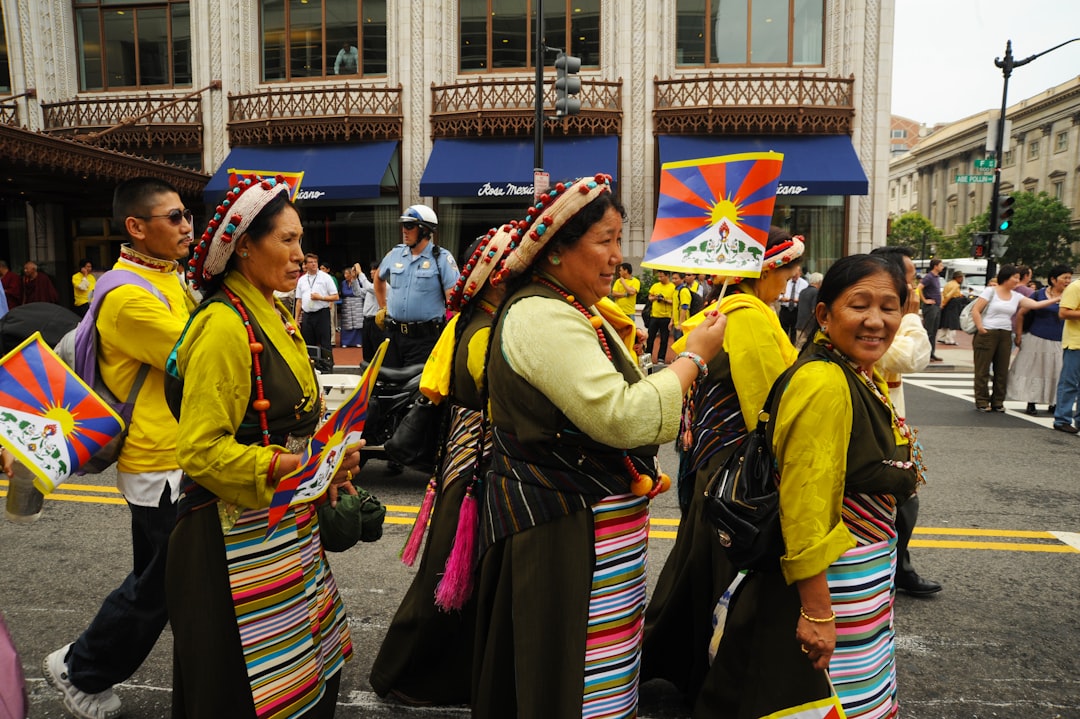
Have you ever found yourself in a new country, unsure whether to shake hands, bow, or offer a cheek kiss? Or perhaps you’ve wondered if your friendly “thumbs up” could accidentally cause offense? In today’s globalized world, understanding cultural greetings and etiquette isn’t just a nice-to-have; it’s a necessity for fostering respect, building rapport, and avoiding awkward misunderstandings. As we navigate an ever-more interconnected planet, mastering these nuances can truly open doors and enrich your experiences. Let’s dive into the fascinating world of cultural communication! 😊
The Power of a Proper Greeting: More Than Just Words 🤔
A greeting is often the very first impression you make, and it can set the tone for all future interactions. It’s a fundamental aspect of human connection, conveying respect, friendliness, or formality depending on the cultural context. While a simple “hello” might suffice in some places, many cultures have rich and intricate greeting rituals that carry significant meaning. Ignoring these can inadvertently signal disrespect or a lack of awareness.
In our modern, hybrid global village, the onus is on us to make others feel comfortable. This means being vigilant of our environment and adapting our greeting style. Whether it’s a hug, a kiss, a bow, or the ubiquitous handshake, these gestures are governed by the culture of the environment.
Studies show that a significant part of our communication is non-verbal. Psychologist Albert Mehrabian’s research suggests that about 93% of communication is based on non-verbal elements, highlighting the critical importance of interpreting these signals correctly in cross-cultural contexts.
Global Greeting Trends & The Rise of Cultural Intelligence 📊
As of 2025, the world is more interconnected than ever, making cultural intelligence (CQ) an indispensable skill for individuals and businesses alike. Cultural intelligence refers to the ability to understand, respect, and effectively interact with people from different cultural backgrounds. Organizations that foster CQ see significant improvements in productivity, innovation, and employee retention.
The importance of cultural intelligence in business is underscored by the increasing diversity in global workforces. For instance, in 2024, racial and ethnic minority groups represented 53.9% of Microsoft’s broader workforce, an increase of 0.6 percentage points year over year. Similarly, in Q1 2024, foreign-born workers accounted for 18.6% of the U.S. civilian labor force. These statistics highlight the growing need for individuals to navigate diverse cultural landscapes effectively.
Common Greeting Styles Across Cultures
| Culture/Region | Common Greeting | Key Etiquette | Notes (2024-2025 Context) |
|---|---|---|---|
| United States/Western | Firm handshake, direct eye contact, “hello” | Maintain personal space, smile. | Still prevalent, but adaptability is key in diverse settings. |
| Japan | Bow (depth varies by formality) | Avoid direct eye contact during a bow, hands at sides (women can hold hands in front of thighs). | Foreigners may use a head nod for casual interactions. |
| Middle East | Handshake (men), nose rub (some Gulf states) | Women may not shake hands with men. Use right hand exclusively for greetings/eating. | Direct eye contact is important among men. |
| France/Belgium | Cheek kisses (double in France, single in Belgium) | Among friends and upon arrival/departure. | More common than handshakes in social settings. |
| India/Nepal | “Namaste” with palms pressed together | Often accompanied by a slight bow, especially for elders. | Handshakes are adopted in urban business settings. |
In some Balkan countries like Bulgaria and Greece, nodding the head means “no,” while shaking the head means “yes.” This reversal can be highly confusing for travelers!
Key Checkpoints: Remember These Essentials! 📌
You’ve come this far, and I know there’s a lot to take in! So, let’s quickly recap the most crucial takeaways. These three points are your golden rules for navigating cultural greetings and etiquette effectively.
-
✅
Cultural Intelligence (CQ) is Paramount:
In our globalized world, the ability to understand and adapt to diverse cultural norms is no longer optional; it’s a critical skill for personal and professional success. -
✅
Non-Verbal Cues Speak Volumes:
Gestures, eye contact, and personal space vary significantly across cultures and can easily lead to misunderstandings if not properly understood. -
✅
Research and Observe:
Always do your homework before traveling or engaging with new cultures, and pay close attention to local behaviors to adapt respectfully.
Decoding Non-Verbal Cues: Beyond the Handshake 👩💼👨💻
While verbal greetings are important, non-verbal communication often carries more weight. Body language, facial expressions, gestures, and even personal space are deeply influenced by cultural context. What’s perfectly acceptable in one culture can be highly offensive in another.
Eye contact is a prime example. In the United States, maintaining eye contact signifies confidence and honesty. However, in many Asian and African cultures, avoiding prolonged eye contact is a sign of respect, especially towards elders or superiors.
Gestures like the “thumbs up” or the “OK” sign (thumb and index finger forming a circle) have vastly different meanings globally. A “thumbs up” is offensive in the Middle East and parts of Asia, while the “OK” sign can mean “money” in Japan, “worthless” in France, or “I’ll kill you” in Tunisia.
Real-World Scenarios: Avoiding Cultural Missteps 📚
Let’s look at some practical examples of cultural faux pas and how to navigate them. These scenarios highlight the importance of cultural awareness in everyday interactions, especially when traveling or working with international colleagues.
Case Study: The Business Dinner in Japan
- **Situation:** An American executive, Sarah, is at a business dinner in Tokyo. After finishing her rice, she sticks her chopsticks upright in the bowl, a common practice in some Western casual dining.
- **Cultural Context:** In Japan and China, placing chopsticks upright in a bowl of rice is considered an offering to the dead and is seen as bad luck or highly insulting.
The Misstep & The Fix
1) **Misstep:** Sarah unknowingly committed a significant cultural faux pas, causing discomfort among her Japanese hosts.
2) **The Fix:** A more culturally aware approach would have been to rest her chopsticks across her bowl or on a chopstick rest. Prior research into dining etiquette would have prevented this.
Final Outcome
– **Initial Impact:** The hosts might have perceived Sarah as disrespectful, potentially hindering the business relationship.
– **Long-term Lesson:** This highlights that even small, seemingly insignificant actions can have a large impact in cross-cultural interactions. Continuous learning and observation are crucial.
This example underscores that cultural etiquette extends beyond just greetings to dining, dress codes, and even public behavior. Being mindful of these details shows respect and can significantly enhance your interactions.
Wrapping Up: Your Passport to Global Harmony 📝
Navigating the intricate world of cultural greetings and etiquette can seem daunting, but it’s an incredibly rewarding journey. By embracing cultural intelligence, paying attention to non-verbal cues, and always being open to learning, you’re not just avoiding mistakes; you’re building bridges, fostering understanding, and enriching your own life and the lives of those you interact with.
Remember, the goal isn’t to be perfect, but to be respectful and adaptable. The world is a beautiful tapestry of diverse cultures, and every interaction is an opportunity to learn and grow. So go forth, greet with confidence, and connect with the world! If you have any questions or your own cultural etiquette stories, please share them in the comments below! 😊
Cultural Etiquette Essentials
Frequently Asked Questions ❓