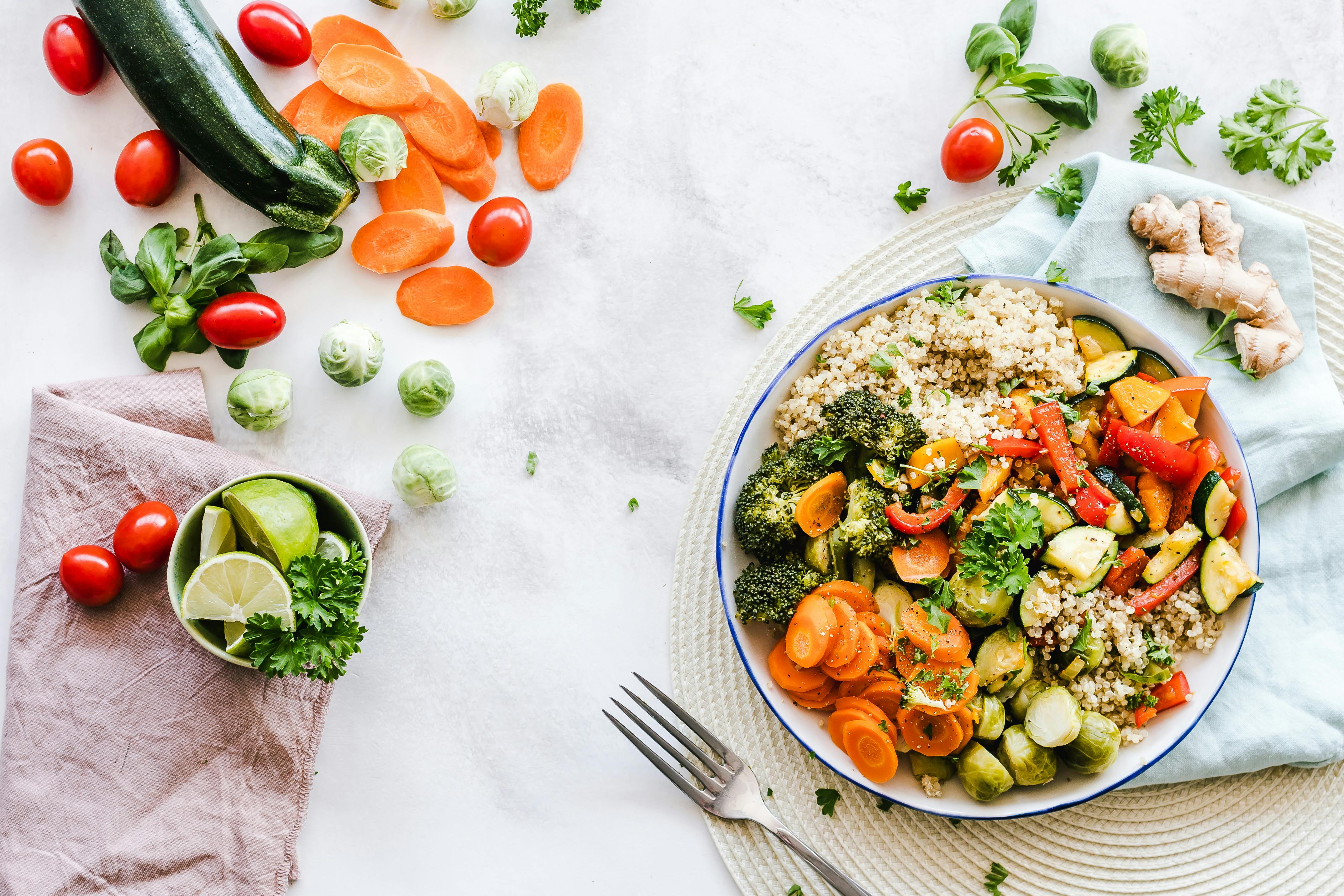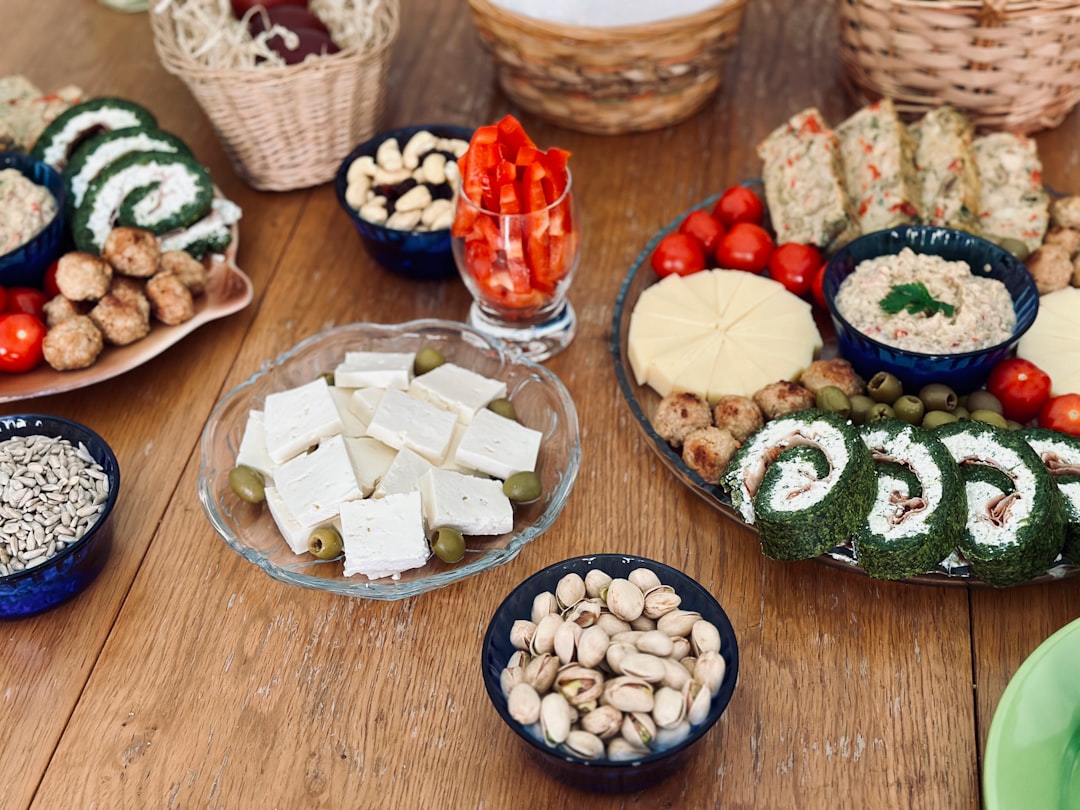
Have you ever found yourself yearning for a dish that tells a story, a flavor that transports you to another time and place? That’s the magic of traditional foods! In a world increasingly driven by convenience and globalized tastes, the enduring appeal of authentic, time-honored dishes is more profound than ever. These culinary treasures are not just about sustenance; they are vibrant expressions of culture, history, and identity, passed down through generations. Let’s embark on a delicious journey to explore the fascinating world of traditional cuisine! 😊
The Enduring Appeal of Traditional Cuisine 🤔
Traditional foods are more than just recipes; they are a legacy. They embody the collective memory of communities, reflecting their agricultural practices, historical events, and social customs. Think about the comforting aroma of a slow-cooked stew or the intricate preparation of a ceremonial dish – these are experiences that connect us to our roots and to each other. The importance of food in preserving cultural heritage is widely recognized, with a survey by the BigPicnic project revealing that 68% of respondents believe food heritage significantly shapes personal and collective identities.
Learning to cook traditional dishes is a meaningful way to preserve these histories, making culinary arts a profound act of cultural preservation. This connection to heritage is a powerful draw for consumers, who are increasingly seeking authentic experiences and flavors. It’s a testament to the fact that while tastes may evolve, the desire for genuine, culturally rich food remains strong.
Traditional foods are often deeply intertwined with social rituals, religious practices, and seasonal celebrations, making their preservation crucial for maintaining a community’s intangible cultural heritage.
Global Trends and Statistics in Traditional Food 📊
The global food landscape is constantly shifting, but traditional cuisines are holding their own and even gaining momentum. According to a December 2024 report, global cuisines and flavors were second only to comfort food for survey respondents asked about desired qualities in foods and beverages, a trend expected to gain further momentum in 2025. Younger generations, in particular, are driving this trend, with 79% reporting a willingness to experiment with flavors from other nations. Consumers are “niching out,” seeking specific regional cuisines rather than broad categories, like Oaxacan style Mexican food instead of just “Mexican food.”
The “Food Culture: Tradition Reinvented” trend for 2025 highlights a growing consumer desire to reconnect with culinary heritage and embrace authenticity. Nearly half of global consumers value food trends that reflect their culture and diversity. This means that bringing one country’s traditional flavors to another, made with local ingredients, familiar flavor profiles, and traditional cooking techniques, are the top three most important aspects for consumers globally. Brands are even tapping into consumer nostalgia by reintroducing old recipes, appealing to the 65% of consumers who want more traditional options on supermarket shelves.
Key Consumer Preferences for Traditional Foods (2025 Outlook)
| Preference | Description | Impact |
|---|---|---|
| Authenticity | Seeking genuine, culturally accurate flavors and preparation methods. | Drives demand for specific regional cuisines and traditional ingredients. |
| Cultural Connection | Foods that reflect cultural heritage and diversity. | Nearly half of global consumers value this in food trends. |
| Local Sourcing | Preference for ingredients grown or produced locally. | A top factor for consumers in traditional food and beverages. |
| Traditional Techniques | Appreciation for time-honored cooking methods. | Essential for preserving the integrity of traditional dishes. |
While global flavors are popular, consumers are increasingly seeking “authentic” rather than “dumbed down” or Americanized versions of international dishes.
Key Checkpoints: Remember These! 📌
You’ve made it this far! With all this delicious information, let’s quickly recap the most important takeaways. Keep these three points in mind:
-
✅
Traditional Foods are Cultural Pillars
They are not just meals but vital carriers of history, identity, and community traditions, deeply connecting us to our heritage. -
✅
Growing Demand for Authenticity
Consumers, especially younger generations, are actively seeking out genuine global flavors and traditional preparation methods, driving market trends. -
✅
Innovation and Preservation Go Hand-in-Hand
Modern techniques and sustainable practices are crucial for keeping traditional foods relevant and accessible without compromising their cultural essence.
Regional Delicacies: A Culinary Journey 👩💼👨💻
The world’s traditional foods offer an incredible diversity of flavors, ingredients, and cooking techniques. Many of these culinary practices are so significant that they’ve earned recognition from UNESCO as Intangible Cultural Heritage. For instance, the Gastronomic Meal of the French and traditional Mexican cuisine (specifically the cuisine of Michoacán) are recognized for their cultural importance.
Other notable UNESCO-recognized food cultures include the communal preparation and consumption of couscous in North Africa (Algeria, Mauritania, Morocco, and Tunisia, inscribed in 2020), the tradition of Kimjang (kimchi-making) in Korea, and Washoku (traditional Japanese cuisine). More recent additions in 2023 include Harees from the Middle East, the community meal culture of Iftar/Iftari during Ramadan, and Al-Man’ouché, a Lebanese breakfast bread.
UNESCO’s Intangible Cultural Heritage list includes not only specific dishes but also the practices, knowledge, and social customs associated with food, highlighting its holistic cultural value.
The Future of Traditional Foods: Preservation and Innovation 📚
Preserving traditional foods in the modern era presents both challenges and exciting opportunities. Globalization and changing lifestyles can sometimes threaten age-old culinary practices. However, there’s a strong movement to safeguard these traditions. Cultural initiatives, such as UNESCO’s programs, recognize traditional cuisines and cooking methods as part of the world’s cultural legacy. Countries are also developing sustainable food tourism experiences to connect travelers with local farming, fishing, and cooking practices, ensuring these traditions are kept alive.
Innovation plays a crucial role in this preservation. It’s not about discarding the old, but enhancing it with the new. Modern interpretations of traditional recipes, fusion cooking, and molecular gastronomy allow chefs to put a unique spin on classics while staying true to their roots. This can involve incorporating modern cooking techniques or ingredients to elevate flavors, create new textures, or improve nutritional value. The digital age has also revolutionized how we share and preserve culinary heritage, with online platforms, blogs, and social media becoming powerful tools for sharing family recipes and connecting food enthusiasts globally.
Case Study: The Evolution of Japanese Sushi
- Traditional Roots: Sushi, a cornerstone of Japanese cuisine, embodies precision and aesthetic beauty. Traditional forms like nigiri (hand-pressed rice with fresh fish) and sashimi (raw fish slices) highlight the purity of ingredients and meticulous preparation.
- Modern Adaptations: While deeply rooted in tradition, sushi has also seen significant innovation. Maki rolls offer endless creative possibilities with various fillings. Globally, fusion sushi has emerged, blending Japanese techniques with international flavors, catering to diverse tastes while maintaining the essence of the dish.
Preservation Strategies
1) Culinary education and vocational training programs are vital for passing down traditional cooking techniques and knowledge to younger generations.
2) Documenting traditional recipes, stories, and oral traditions through community cookbooks and digital archives helps create a tangible record for the future.
3) Supporting local farmers and traditional producers ensures the availability of authentic ingredients, which are crucial for maintaining the integrity of traditional dishes.
The balance between honoring tradition and embracing innovation is key for the survival and continued relevance of traditional foods. By adapting to modern tastes and dietary needs while respecting cultural heritage, these timeless dishes can continue to delight palates and tell stories for centuries to come.
Wrapping It Up: A World of Flavor Awaits 📝
As we’ve explored, the world of traditional foods is a rich and diverse tapestry, woven with threads of history, culture, and community. From the ancient steaming of couscous to the meticulous art of Japanese sushi, these dishes offer more than just nourishment—they offer a profound connection to our shared human story. The growing consumer interest in authentic global flavors and the concerted efforts to preserve culinary heritage through both traditional methods and innovative approaches mean that these cherished foods are here to stay.
So, next time you sit down for a meal, consider the journey your food has taken and the stories it carries. Perhaps try a new traditional dish, or even better, learn to prepare one yourself! It’s a wonderful way to connect with culture and savor the flavors of the world. What’s your favorite traditional dish, or one you’re eager to try? Let me know in the comments below! 😊
Global Traditional Food Insights
Frequently Asked Questions ❓