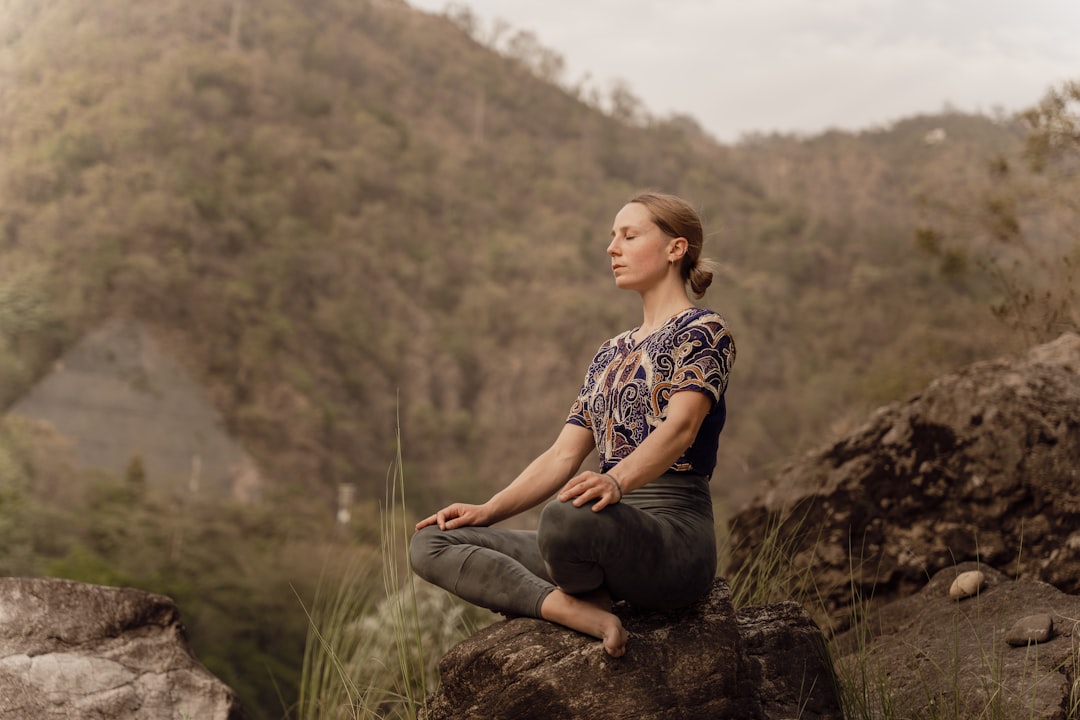
Let’s be honest, life in 2025 feels like a constant juggle, doesn’t it? Between work deadlines, personal commitments, and the relentless buzz of digital notifications, it’s easy to feel like our minds are running a marathon without a finish line. I know I’ve been there, feeling the weight of the world on my shoulders, struggling to find a moment of calm. But what if I told you there’s a powerful, accessible tool that can help you reclaim your peace of mind, even in the most stressful of times? That tool is meditation, and building a consistent routine can be a game-changer for your mental well-being. Let’s dive in! 😊
The Modern Stress Epidemic: Why We Need a Pause 🤔
In our fast-paced society, stress isn’t just an occasional inconvenience; it’s become a pervasive part of daily life for many. Recent reports indicate that a significant portion of the adult population in the U.S. continues to experience high levels of stress, with concerns ranging from financial stability to global events and personal health. For instance, a 2024 survey highlighted that over 70% of Americans report feeling stressed on a regular basis, with chronic stress contributing to a rise in anxiety disorders and depression.
This constant state of alert, often referred to as the “fight or flight” response, can have detrimental effects on both our physical and mental health. Prolonged stress can lead to issues like sleep disturbances, weakened immune systems, digestive problems, and an inability to concentrate. It’s clear that finding effective coping mechanisms isn’t just a luxury; it’s a necessity for our overall well-being.
Chronic stress can literally rewire your brain, shrinking areas associated with memory and emotional regulation, while enlarging those linked to fear and anxiety. This makes it even harder to cope with future stressors!
The Science-Backed Benefits of Meditation 📊
Meditation, once considered a niche spiritual practice, is now widely recognized by the scientific community as a powerful tool for stress reduction and mental enhancement. Studies using fMRI scans have shown that regular meditation can lead to tangible changes in brain structure, a phenomenon known as neuroplasticity. Specifically, it can increase gray matter in areas associated with learning, memory, and emotional regulation, while decreasing the size of the amygdala, the brain’s “fear center”.
The benefits extend far beyond just feeling calmer. Regular meditators often report improved focus and attention span, enhanced self-awareness, better emotional control, and even a greater sense of compassion. It’s like a workout for your brain, strengthening the muscles that help you navigate life’s challenges with more grace and resilience.
Common Meditation Types and Their Benefits
| Type of Meditation | Focus | Key Benefits | Good For |
|---|---|---|---|
| Mindfulness Meditation | Present moment awareness, observing thoughts/sensations | Stress reduction, emotional regulation, increased self-awareness | Beginners, anxiety, general well-being |
| Transcendental Meditation (TM) | Using a mantra to settle the mind | Deep relaxation, reduced blood pressure, improved sleep | Stress relief, those seeking deep relaxation |
| Loving-Kindness Meditation (Metta) | Cultivating feelings of compassion and love | Increased empathy, reduced anger, improved relationships | Emotional healing, fostering positive connections |
| Body Scan Meditation | Bringing awareness to different parts of the body | Increased body awareness, tension release, improved sleep | Chronic pain, sleep issues, grounding |
Meditation is not a magic bullet or a quick fix. While its benefits are profound, they are typically realized through consistent practice over time. Don’t get discouraged if you don’t feel immediate results!
Key Checkpoints: Remember These Essentials! 📌
Have you been following along well? Since this article is quite detailed, let’s quickly recap the most important takeaways. Please keep these three points in mind above all else.
-
✅
Stress is a Modern Epidemic:
Recognize that high stress levels are common and have real physical and mental impacts, making stress management crucial. -
✅
Meditation Offers Science-Backed Benefits:
Consistent practice can literally reshape your brain, leading to reduced anxiety, improved focus, and better emotional regulation. -
✅
Consistency is Key to a Personalized Routine:
Start small, be patient, and find a meditation style that resonates with you to build a sustainable and effective routine.
Crafting Your Personalized Meditation Routine 👩💼👨💻
The beauty of meditation is its adaptability. You don’t need to be a guru or spend hours in silence to reap the rewards. The key is to start small and be consistent. Here’s how you can begin building a routine that works for you:
- Find Your Space: Choose a quiet spot where you won’t be disturbed, even if it’s just a corner of your bedroom.
- Set Your Time: Start with just 5-10 minutes a day. Early morning or before bed are popular choices, but any time that works for you is perfect.
- Choose Your Method:
- Breath Awareness: Simply focus on your breath, noticing the sensation of air entering and leaving your body.
- Body Scan: Lie down and bring your attention to different parts of your body, noticing any sensations without judgment.
- Guided Meditation: Use an app or online resource to lead you through a meditation. This is often the easiest way to start!
- Be Patient and Non-Judgmental: Your mind will wander – that’s normal! Gently bring your attention back to your chosen anchor (breath, body, sound) without criticizing yourself.
Many popular apps like Calm, Headspace, and Insight Timer offer free introductory courses and a wide variety of guided meditations, making it incredibly easy to get started and find what resonates with you.
Integrating Mindfulness Beyond the Mat 📚
Meditation isn’t just about sitting still; it’s about cultivating mindfulness – a state of present moment awareness – that you can carry into all aspects of your life. This means bringing the same focused attention and non-judgmental observation to your daily activities. Imagine the difference it could make if you approached your morning coffee, your commute, or even a difficult conversation with a mindful attitude.
Mindful eating, for example, involves savoring each bite, noticing the flavors, textures, and smells, rather than rushing through a meal while distracted. Mindful walking means paying attention to the sensation of your feet on the ground, the sounds around you, and the movement of your body. These small shifts can significantly reduce daily stress and increase your overall enjoyment of life.

Case Study: Sarah’s Journey to Calm
- Situation: Sarah, a 38-year-old marketing executive, felt constantly overwhelmed by her demanding job and family responsibilities. She often felt anxious and struggled with insomnia.
- Goal: Reduce stress, improve sleep, and regain a sense of control.
Her Meditation Process
1) Started with a 5-minute guided meditation app each morning before checking emails.
2) Gradually increased to 10-15 minutes, incorporating a body scan before bed.
3) Began practicing mindful eating during lunch breaks, putting her phone away.
Final Results (After 6 Months)
– Reduced Anxiety: Reported a significant decrease in daily anxiety levels, feeling more grounded.
– Improved Sleep: Consistently sleeping 7-8 hours, falling asleep faster and waking up refreshed.
– Enhanced Focus: Found herself more productive at work and less prone to distraction.
– Greater Resilience: Felt better equipped to handle stressful situations without becoming overwhelmed.
Sarah’s story isn’t unique. It illustrates that even small, consistent steps can lead to profound changes in how we experience and respond to stress. It’s about building a habit, not achieving perfection.
Wrapping Up: Your Path to Inner Calm 📝
In a world that constantly demands our attention and energy, creating a meditation routine is an act of self-care and empowerment. It’s not about escaping reality, but about learning to navigate it with greater clarity, calm, and resilience. By dedicating even a few minutes each day, you can cultivate a sanctuary within yourself, accessible whenever you need it most.
So, why not take the first step today? Start small, be kind to yourself, and watch as your meditation routine transforms your relationship with stress and brings a new sense of peace into your life. What are your biggest challenges when it comes to starting a meditation practice? Share your thoughts in the comments below! 😊
Your Meditation Routine at a Glance
Frequently Asked Questions ❓