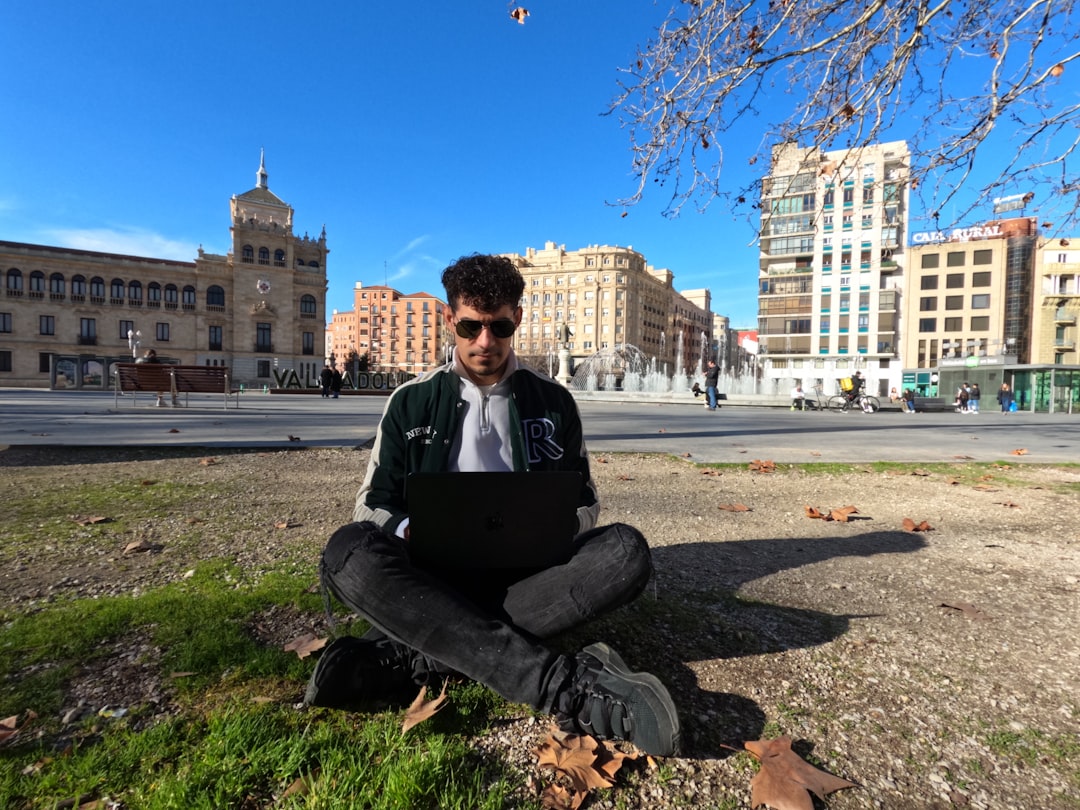
Have you ever found yourself staring at your office wall, daydreaming about a beach in Bali or a charming cafe in Lisbon? You’re not alone! The digital nomad lifestyle has exploded, transforming from a niche dream into a mainstream reality for millions worldwide. In 2025, more than 50 million people globally identify as digital nomads, a significant jump from 35 million in 2023. This isn’t just a fleeting trend; it’s a fundamental shift in how we live and work, driven by technological advancements and a growing acceptance of remote employment. If you’re ready to trade your daily commute for a passport stamp, you’re in the right place! Let’s dive into the best cities that are rolling out the welcome mat for remote workers like us. 😊
The Remote Revolution: 2025 Trends & Statistics 🤔
The digital nomad movement is more resilient than ever. Even with some corporate giants pushing for a return to the office, the desire for location-independent careers continues to skyrocket. This year, we’re seeing some fascinating shifts in how digital nomads choose their destinations and build communities.
One of the most notable trends in 2025 is the rapid expansion of digital nomad visas. Over 70 countries now offer some form of digital nomad visa or remote work residency, reflecting governments’ increasing recognition of the economic value nomads bring. These visas boost local businesses, fill off-season tourism gaps, and even spark startup ecosystems. We’re also witnessing a geographic shift, with a clear movement towards Asia and South America, and new emerging hubs like Kenya and South Africa launching ambitious programs.
In 2025, the average digital nomad is 36 years old, with many falling between 30 and 39. The average annual income is approximately $124,041, with a median of $85,000. This demographic is highly educated, with 52% holding a bachelor’s degree and 35% a master’s degree.
What Makes a City Digital Nomad-Friendly? 📊
Choosing the perfect digital nomad destination isn’t just about pretty views (though those certainly help!). It’s about finding a place that supports your work and lifestyle. Here are the key factors that make a city shine for remote workers:
- Cost of Living: Affordability is often a top priority, allowing you to stretch your budget further and even save money while traveling.
- Internet Speed & Reliability: Blazing-fast and stable internet is non-negotiable for remote work.
- Digital Nomad Community: A thriving community makes it easier to connect, network, and build friendships with like-minded individuals.
- Visa Options: Countries with dedicated digital nomad visas or flexible long-stay options offer legal certainty and peace of mind.
- Safety & Healthcare: Feeling secure and having access to good healthcare are crucial for a sustainable nomadic life.
- Things to Do & Lifestyle: Beyond work, you’ll want a city with plenty of activities, culture, and a lifestyle that suits your preferences.
- Coworking & Cafes: Access to dedicated workspaces or laptop-friendly cafes is essential for productivity.
Quick Comparison of Key Factors
| City | Monthly Cost (USD est.) | Internet Speed (Mbps) | Visa Options |
|---|---|---|---|
| Chiang Mai, Thailand | $1,107 | Reliable fiber | 5-year DTV visa |
| Medellín, Colombia | $1,200–$1,800 | 100+ Mbps | 2-year Nomad Visa |
| Tbilisi, Georgia | $800–$1,500 | 45 Mbps | 1-year Nomad Program |
| Lisbon, Portugal | $1,630 | 175 Mbps | Digital Nomad Visa |
While many cities offer a low cost of living, short-term rentals in popular digital nomad hubs can be priced for tourists, not locals. Always factor in potential hidden costs like cleaning fees, service charges, and the premium for reliable Wi-Fi.
Key Checkpoints: Don’t Forget These! 📌
You’ve made it this far! With so much to consider, let’s quickly recap the most important takeaways. Keep these three points in mind as you plan your digital nomad journey.
-
✅
Digital Nomadism is Booming:
The number of digital nomads globally has surpassed 50 million in 2025, with more countries offering specialized visas. -
✅
Prioritize Connectivity & Community:
Fast internet and a supportive community are as vital as affordability for a successful remote work experience. -
✅
Research Visa & Tax Implications:
Understand the visa requirements and potential tax obligations to ensure a smooth and legal stay in your chosen destination.
Top 10 Cities for Digital Nomads in 2025 👩💼👨💻
Based on the latest trends, affordability, connectivity, and thriving communities, here are some of the top cities making waves for digital nomads in 2025. This list combines established favorites with exciting emerging hubs, offering something for every type of remote worker.
- Lisbon, Portugal: Still the “European Nomad Hub,” Lisbon offers a sunny climate, rich history, vibrant community, and a dedicated digital nomad visa. The cost of living is around €1,500–€2,000/month.
- Chiang Mai, Thailand: A budget-friendly classic, Chiang Mai boasts fast internet, affordable accommodation (as low as $1,107/month), a strong community, and a unique blend of modern amenities with rich cultural heritage.
- Medellín, Colombia: Known as the “City of Eternal Spring,” Medellín offers a temperate climate, low cost of living ($1,200–$1,800/month), and a thriving digital nomad scene with plenty of coworking spaces.
- Tbilisi, Georgia: This Georgian capital has quickly become a European hotspot, blending history and modernity with an affordable cost of living ($800–$1,500/month) and a generous visa system.
- Mexico City, Mexico: A massive, vibrant cultural hub with excellent connectivity and a growing remote work culture, especially in neighborhoods like Roma and Condesa. Monthly costs range from $1,500–$2,000.
- Canggu, Bali, Indonesia: A tropical haven with a thriving digital nomad community, offering a mix of affordability and modern conveniences. Monthly living costs typically range from $1,500 to $2,000.
- Seoul, South Korea: An emerging destination in 2025, Seoul offers a vibrant blend of traditional culture and cutting-edge technology, with blazing-fast internet and a dynamic tech scene. South Korea is actively targeting tech nomads.
- Bangkok, Thailand: A vibrant and modern hub in Southeast Asia, known for its affordable cost of living, exceptional infrastructure, strong coworking scene, and diverse entertainment.
- Valletta, Malta: With stunning architecture and Mediterranean charm, Valletta is quickly becoming a go-to destination, offering an affordable cost of living compared to other European capitals and a vibrant coworking scene.
- Cape Town, South Africa: Combining natural beauty with modern amenities, Cape Town is a top choice for those who love an inspiring environment. Live comfortably on $1,500–$2,000/month. South Africa is also launching a new digital nomad visa program.
Many of these cities are actively developing or have already implemented digital nomad visa programs, making it easier to legally live and work remotely. Always check the latest visa requirements for your nationality!
Navigating Digital Nomad Visas and Regulations 📚
The landscape of digital nomad visas is constantly evolving, with more countries recognizing the benefits of attracting remote talent. In 2025, we’ve seen a surge in new programs and updates to existing ones. These visas typically allow you to reside in a host country for 6 to 24 months, with options for renewal.
Key Digital Nomad Visa Requirements
- Proof of Stable Income: You’ll need to demonstrate sufficient income from foreign employment, freelance contracts, or your own online business. Minimums vary significantly by country (e.g., Italy requires $30,500+ annually, Estonia $3,800/month).
- Health Insurance: Valid international health insurance covering your stay is almost always a requirement.
- Clean Criminal Record: A background check from your home country is typically needed.
- Proof of Accommodation: Documentation of where you’ll be staying in the host country.
Tax Considerations
Understanding tax obligations is crucial. Some digital nomad visa countries may consider you a tax resident after 183 days, requiring local tax filings. U.S. citizens, for example, are required to file taxes regardless of where they live.
The increasing number of digital nomad visas provides a clear legal framework for remote workers, offering longer stays than tourist visas and access to local services. However, it’s essential to research each country’s specific requirements and potential tax implications to avoid any surprises.
Wrapping Up: Your Nomad Journey Awaits! 📝
The digital nomad lifestyle in 2025 is more accessible and exciting than ever before. With a growing number of cities embracing remote workers and an expanding array of visa options, the world truly is your oyster. Whether you’re drawn to the bustling streets of Bangkok, the historic charm of Lisbon, or the vibrant community of Medellín, there’s a perfect spot waiting for you.
Remember to prioritize your research on visas, cost of living, and internet connectivity. Most importantly, embrace the adventure, connect with local communities, and enjoy the freedom that comes with working from anywhere. What city are you dreaming of calling your next temporary home? Let me know in the comments below! 😊
Digital Nomad Essentials 2025
Frequently Asked Questions ❓