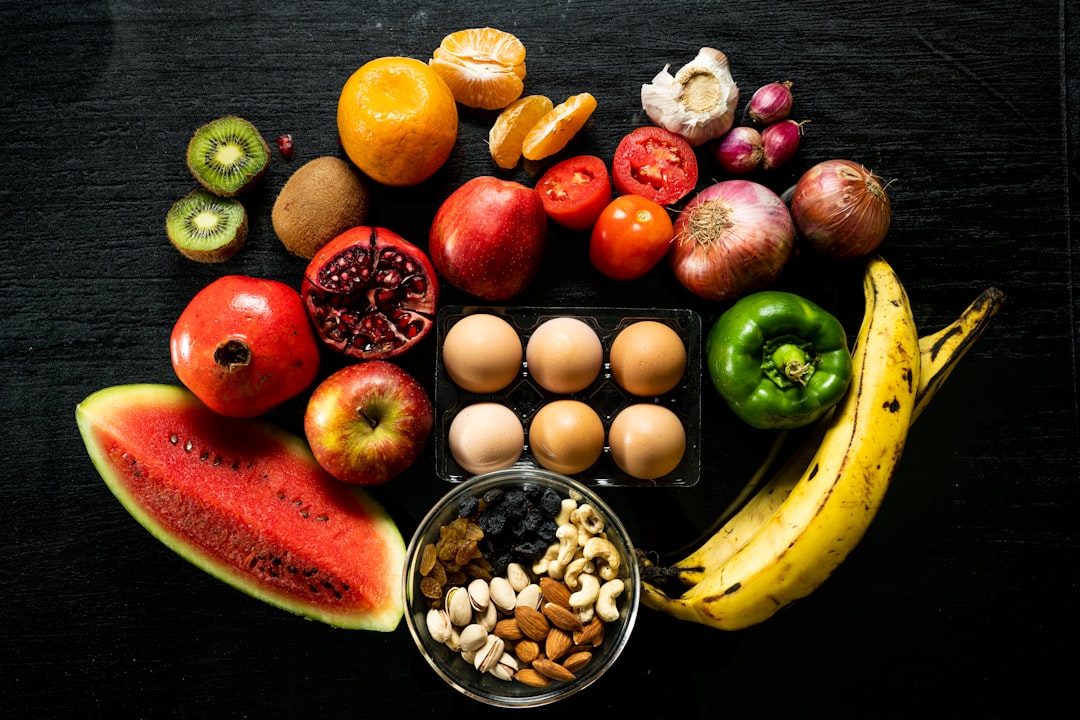
Stepping into your 30s often feels like a new chapter, full of exciting opportunities and perhaps a few unexpected changes in your body. Suddenly, that all-nighter might hit a little harder, or you might notice your skin isn’t quite as resilient as it used to be. It’s not just in your head; your nutritional needs genuinely shift as you age! Understanding these changes and prioritizing certain essential nutrients can make a world of difference in how you feel and function. Ready to embrace your 30s with vitality? Let’s dive in! 😊
Why Your Nutritional Needs Change After 30 🤔
As we transition from our vibrant twenties into our thirties, our bodies undergo subtle yet significant transformations. Metabolism naturally slows down, bone density can begin to decrease, and muscle mass may start to decline. Hormonal shifts also become more pronounced, especially for women. These physiological changes mean that the eating habits that served you well in your younger years might not be sufficient to maintain optimal health now.
For instance, the body’s ability to absorb certain nutrients, like Vitamin B12, can decrease over time. Additionally, factors like increased stress, potential pregnancies, and even heavier menstrual cycles can deplete vital nutrient stores, making targeted nutrition more critical than ever.
While you might need fewer calories overall due to a slower metabolism, you actually need *more* of certain nutrients to support your body’s changing demands. Nutrient density becomes key!
The Magnificent Seven: Essential Nutrients to Prioritize 📊
Here are seven powerhouse nutrients that become increasingly vital once you hit your thirties. Incorporating these into your diet can help you maintain energy, support your immune system, and keep you feeling fantastic.
1. Calcium & Vitamin D: The Bone Health Duo
Bone density naturally decreases after age 35, making calcium and vitamin D crucial for maintaining strong bones and reducing the risk of osteoporosis later in life. Vitamin D is often called the “sunshine vitamin” because your body produces it when exposed to sunlight, but deficiency is common globally. It’s essential for calcium absorption, immune function, and mood regulation.
- Recommended Calcium Intake: 1,000 mg/day for adults aged 19-50.
- Food Sources: Dairy products (milk, yogurt, cheese), dark green leafy vegetables (kale, broccoli), fortified foods, and fish with edible soft bones (sardines).
2. Magnesium: The Stress Reliever & Muscle Supporter
Magnesium is involved in over 300 enzymatic reactions in the body, supporting muscle and nerve function, energy production, and even stress relief and sleep quality. Unfortunately, many adults don’t get enough magnesium, and levels can be depleted by processed foods, stress, and coffee.
- Recommended Magnesium Intake: 310-320 mg/day for women aged 31+, and 420 mg/day for men aged 31+.
- Food Sources: Green leafy vegetables, nuts, seeds, legumes, whole grains.
3. B Vitamins (Especially B12 & Folate): Energy & Brain Health
B vitamins are integral to optimal health, involved in energy production, focus, and mood. Vitamin B12 is crucial for making DNA, red blood cells, and supporting the nervous system. As we age, absorption of B12 can become less efficient, making supplementation or fortified foods important, especially for vegetarians and vegans. Folate (Vitamin B9) is also vital, particularly for women of childbearing age.
- Symptoms of B12 Deficiency: Fatigue, weakness, lightheadedness, headaches, pale skin, tingling hands or feet, and difficulty concentrating.
- Food Sources: B12 is primarily found in animal products (meat, dairy, eggs, fish). Fortified cereals and plant milks are good vegan/vegetarian options.
4. Omega-3 Fatty Acids: Heart, Brain, and Anti-Inflammation
These “healthy fats” are essential nutrients that your body cannot produce on its own. Omega-3s support heart health by lowering triglycerides and blood pressure, improve brain function, and reduce inflammation. They may even help slow biological aging and reduce the risk of age-related mental decline.
- Key Benefits: Lower risk of cardiovascular disease, stroke, improved mood and cognition, and reduced inflammation.
- Food Sources: Fatty fish (salmon, mackerel, sardines), flaxseed, chia seeds, walnuts, and plant oils.
5. Iron: Energy and Oxygen Transport (Especially for Women)
Iron is crucial for making red blood cells that carry oxygen throughout the body. Women in their 30s, especially those with heavy menstrual cycles or planning pregnancy, have a higher iron requirement and are at a greater risk of deficiency. Iron deficiency can lead to fatigue, poor concentration, and increased risk of infection.
- Recommended Iron Intake: 14.8 mg/day for women aged 19-49; 8.7 mg/day for men aged 19+. Some sources suggest 18-21 mg/day for women aged 30-49.
- Food Sources: Red meat, beans, nuts, dried fruit, fortified cereals, and soy bean flour.
6. Fiber: Digestive Health & Longevity
Fiber does more than just keep you regular; it reduces the risk of cardiovascular disease, stroke, Type 2 diabetes, and colorectal cancer. Adequate fiber intake can also help manage weight and may even lengthen telomeres, which are associated with a longer lifespan. Most Americans, unfortunately, don’t get enough fiber.
- Recommended Fiber Intake: 25 g/day for women aged 31-50; 31 g/day for men aged 31-50.
- Food Sources: Fruits, vegetables, whole grains, and legumes.
7. Collagen: Skin Elasticity & Joint Support
As you enter your 30s, your body’s natural collagen production begins to slow down, decreasing by about 1% each year. This decline can lead to the appearance of fine lines, less firm skin, and can affect joint health. Collagen is a key structural protein that provides firmness and elasticity to the skin, and supports muscles, tendons, and bones.
- Benefits of Collagen Supplementation: May help reduce fine lines and wrinkles, improve skin firmness and hydration, and support joint health.
- Food Sources: While collagen is a protein, consuming foods rich in amino acids (like bone broth, lean meats, fish) and Vitamin C (which aids collagen synthesis) can support natural production.
While supplements can be beneficial, it’s always best to try and get your nutrients from a balanced diet first. Consult with a healthcare professional before starting any new supplement regimen, especially if you have underlying health conditions or are pregnant.
Key Checkpoints: Don’t Forget These! 📌
You’ve made it this far! With so much information, it’s easy to forget the most crucial points. Let’s quickly recap the top three things to remember for your 30s and beyond.
-
✅
Prioritize Bone & Energy Boosters:
Calcium and Vitamin D are non-negotiable for bone health, while B vitamins and Iron are essential for sustained energy, especially for women. -
✅
Embrace Gut & Heart Health:
Fiber and Omega-3s are your best friends for a healthy digestive system, a strong heart, and a sharp mind. -
✅
Don’t Underestimate Magnesium & Collagen:
Magnesium helps manage stress and muscle function, while collagen supports youthful skin and joint flexibility as natural production declines.
Beyond the Plate: Lifestyle and Supplementation 👩💼👨💻
While focusing on nutrient-rich foods is paramount, a holistic approach to health in your 30s also involves lifestyle choices. Regular exercise, adequate sleep, and stress management all play a significant role in how your body utilizes nutrients and maintains overall well-being. Even with a perfect diet, some individuals may still benefit from targeted supplementation due to genetic factors, dietary restrictions (like veganism), or specific health conditions.
Supplements are meant to *supplement* your diet, not replace it. Always aim for whole foods first, and consider supplements as a supportive measure under professional guidance.
Real-Life Example: Sarah’s Journey to Better Health 📚
Let’s look at Sarah, a busy 34-year-old marketing professional. She often felt sluggish, experienced frequent headaches, and noticed her skin losing its youthful bounce. Her diet was inconsistent, relying heavily on takeout and quick snacks.
Sarah’s Situation
- Age: 34 years old
- Symptoms: Chronic fatigue, headaches, dull skin, occasional muscle cramps.
- Diet: Low in fresh produce, high in processed foods.
Her Action Plan
1) Consulted a nutritionist who identified potential deficiencies in Vitamin D, Magnesium, and Omega-3s.
2) Started incorporating more fatty fish, leafy greens, nuts, and whole grains into her meals.
3) Began taking a high-quality Vitamin D, Magnesium, and Omega-3 supplement as recommended by her nutritionist.
4) Prioritized 7-8 hours of sleep and started a gentle yoga routine.
Final Results (After 6 Months)
– Energy Levels: Significantly improved, no more afternoon slumps.
– Skin & Hair: Noticeably more radiant skin, reduced fine lines, and stronger nails.
– Overall Well-being: Fewer headaches, better sleep, and a greater sense of calm.
Sarah’s story highlights that even small, consistent changes in diet and lifestyle, supported by targeted nutrients, can lead to remarkable improvements in health and vitality in your thirties. It’s about being proactive and giving your body what it truly needs.
Wrapping Up: Your Thirties, Your Health 📝
Your thirties are a fantastic decade, a time of growth, stability, and continued self-discovery. By understanding and addressing your changing nutritional needs, you’re not just preventing future health issues; you’re actively investing in a more energetic, vibrant, and fulfilling life right now. Prioritizing these seven essential nutrients – Calcium, Vitamin D, Magnesium, B Vitamins, Omega-3s, Iron, and Collagen – is a powerful step towards feeling your absolute best.
Remember, small changes add up. Start by incorporating more nutrient-dense foods, consider smart supplementation, and always listen to your body. What are your biggest health goals for your thirties? Share your thoughts and questions in the comments below – I’d love to hear from you! 😊
Your 30s Nutrition Snapshot
Frequently Asked Questions ❓