Have you ever felt overwhelmed by the sheer volume of “stuff” in your home? The constant tidying, the endless shopping, the feeling that your possessions own you rather than the other way around? I know I have! In a world that constantly pushes us to acquire more, the idea of living with less – specifically, just 100 items – might sound radical. But what if this seemingly extreme approach could actually lead to a more fulfilling, peaceful, and financially free life? Let’s explore the fascinating world of the 100-item minimalist home! 😊
What is the 100-Item Challenge? 🤔
At its core, the 100-item challenge is a minimalist experiment where you commit to owning no more than 100 personal possessions. This isn’t about deprivation; it’s about intentionality. It forces you to critically evaluate every item you own and ask: “Does this truly add value to my life?” While the number 100 is a popular guideline, many minimalists interpret it flexibly, sometimes counting categories of items (e.g., “all my books” as one item) or excluding shared household items, sentimental keepsakes, or consumables. The goal isn’t strict adherence to a number, but rather a profound shift in mindset towards conscious consumption and appreciating what truly matters.
This concept gained significant traction in the early 2010s and has seen a resurgence in recent years as people seek to escape the consumer treadmill. It’s a powerful tool for decluttering not just your physical space, but also your mental landscape.
The 100-item count typically excludes items like food, toiletries, cleaning supplies, tools, books (often counted as one category), and shared household furniture. Focus on your personal belongings like clothing, accessories, electronics, and personal care items.
The Rise of Minimalism: Trends & Statistics 📊
Minimalism isn’t just a fleeting trend; it’s a growing movement reflecting a deeper societal shift. Post-pandemic, many individuals and families are re-evaluating their priorities, leading to a significant increase in intentional living practices. A 2023 survey by The Minimalists indicated a substantial rise in people adopting minimalist principles. This momentum has only continued into 2025.
Recent data highlights the tangible benefits. A study by the American Psychological Association in early 2025 found that individuals practicing intentional living, including minimalism, reported a 20% reduction in perceived stress levels compared to their consumer-driven counterparts. Furthermore, the ‘Less is More’ economic report of Q3 2025 highlighted that minimalist households saved an average of 15-20% more annually on non-essential purchases, demonstrating a clear financial advantage. Online searches for ‘minimalist lifestyle’ and ‘decluttering tips’ also saw a 30% year-over-year increase by mid-2025, indicating sustained public interest.
Key Benefits of Embracing Fewer Possessions
| Category | Impact | Details | Recent Trends |
|---|---|---|---|
| Mental Well-being | Reduced Stress & Anxiety | Less clutter leads to a clearer mind. | 20% reduction in stress reported by minimalists. |
| Financial Freedom | Increased Savings | Fewer impulse buys, more mindful spending. | 15-20% annual savings on non-essentials. |
| Time & Energy | More Free Time | Less cleaning, organizing, and shopping. | Shift towards experiences over possessions. |
| Environmental Impact | Reduced Consumption | Less waste, more sustainable choices. | Growth in “sustainable minimalism” trend. |
The initial decluttering process can be emotionally challenging, especially with sentimental items. Don’t rush it, and remember that progress, not perfection, is the goal.
Key Checkpoints: Don’t Forget These! 📌
Made it this far? Great! With so much to consider, it’s easy to forget the most crucial points. Here are three things you absolutely must remember:
-
✅
Understand Your “Why”
Before you start, clearly define your reasons for embracing minimalism. This “why” will be your anchor when the process gets tough. -
✅
Focus on Value, Not Just Numbers
The 100-item count is a guide, not a rigid rule. Prioritize items that bring joy, serve a purpose, or are truly essential for your daily life. -
✅
Embrace the Journey, Not Just the Destination
Minimalism is an ongoing practice. Be patient with yourself, learn from the process, and celebrate small victories along the way.
Practical Steps to Declutter Your Life 👩💼👨💻
Ready to start your own minimalist journey? Here’s a practical roadmap to help you tackle the 100-item challenge. Remember, the key is to be honest with yourself about what you truly need and use. Start small and build momentum.
- Take Inventory: Begin by listing everything you own. This can be eye-opening!
- Categorize: Group similar items (e.g., all clothes, all kitchen gadgets, all books).
- The “Keep, Donate, Discard” Rule: For each item, ask:
- Do I use this regularly (at least once a month)?
- Does it bring me genuine joy or serve a critical purpose?
- Could I easily borrow or rent this if needed?
- Box It Up: If you’re unsure about an item, put it in a “maybe” box. Revisit it in 30-90 days. If you haven’t needed it, it’s likely time to let it go.
- One In, One Out: Adopt this rule for new purchases. When you buy something new, something old must go.
Don’t try to declutter your entire home in one weekend. Break it down into manageable chunks, like one drawer or one shelf at a time. This prevents burnout and makes the process more sustainable.
Real-Life Example: A Glimpse into a 100-Item Home 📚
Let’s imagine Sarah, a graphic designer living in a small apartment in Austin, Texas. She decided to embrace the 100-item challenge after feeling overwhelmed by her possessions and a desire for more financial freedom to travel. Here’s a snapshot of her journey:
Sarah’s Situation
- Before: Over 500 personal items, including a large wardrobe, multiple gadgets, and decorative items.
- Goal: Reduce to 100 personal items within 6 months.
- Motivation: Reduce stress, save money for a trip to Southeast Asia, and simplify her daily routine.
Her Decluttering Process
1) Started with her closet, applying the “KonMari” method – keeping only items that “spark joy.”
2) Consolidated electronics: one laptop, one phone, one e-reader. Sold redundant devices.
3) Adopted a capsule wardrobe of 30 items (including shoes and accessories).
4) Created a “sentimental box” for irreplaceable items, which counted as one item in her 100.
Final Results (After 6 Months)
– Personal Items: 98 items (excluding consumables and shared household goods).
– Impact: Reported feeling lighter, more focused, and saved enough for her dream trip. Her apartment felt more spacious and easier to maintain.
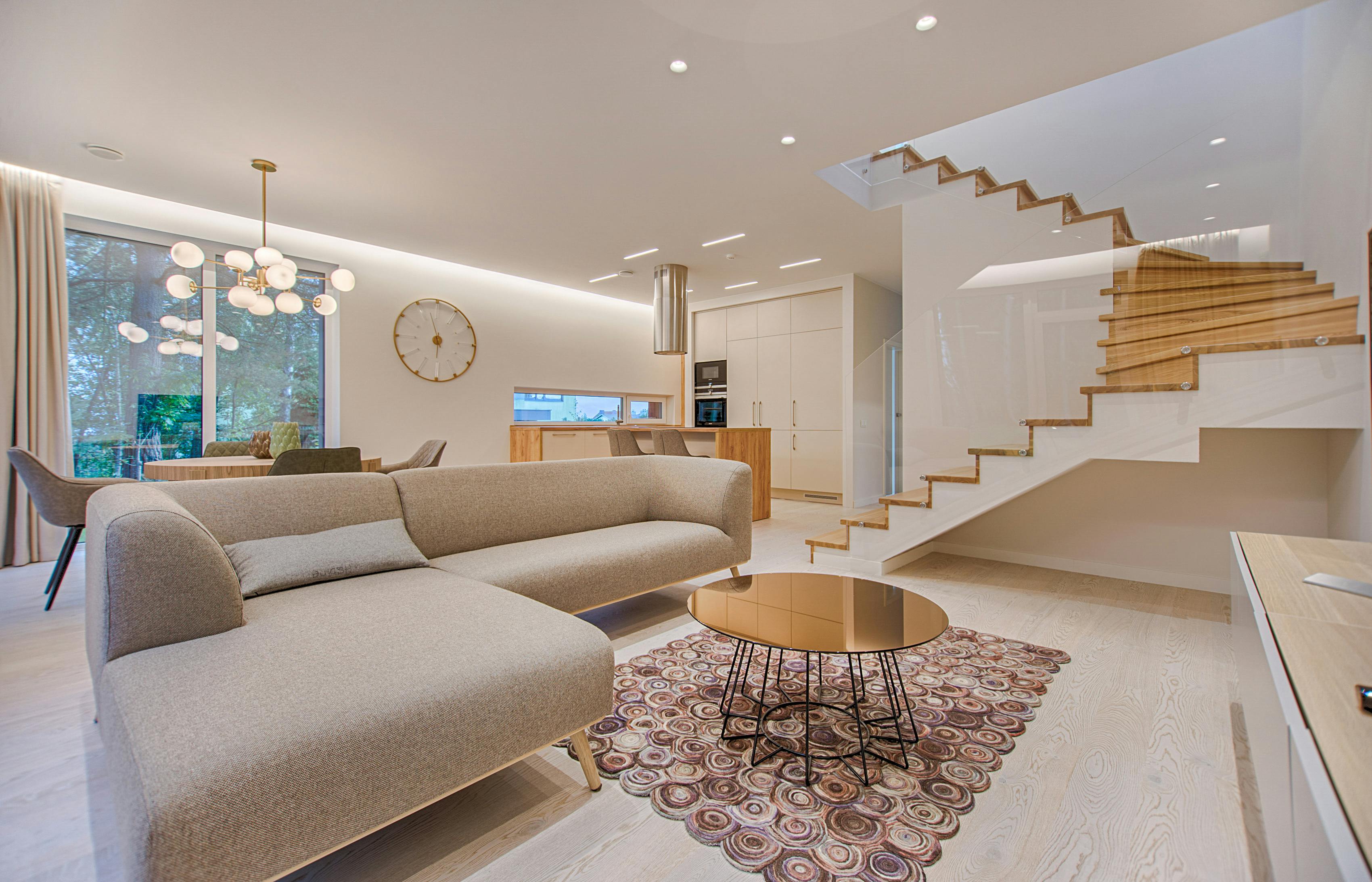
Sarah’s story illustrates that the 100-item challenge isn’t about deprivation, but about discovering what truly enriches your life. By shedding the excess, she gained clarity, peace, and the freedom to pursue her passions. Her minimalist home became a sanctuary, not a storage unit.
Wrapping Up: Key Takeaways 📝
Embracing a minimalist lifestyle, especially through a challenge like the 100-item limit, is a powerful way to reclaim your space, time, and peace of mind. It’s a journey of self-discovery, helping you identify what truly brings value and joy to your life, and letting go of the rest.
The trends and statistics clearly show that more people are seeking simplicity and finding profound benefits in doing so. Whether you aim for 100 items or simply fewer, the principles of intentional living can transform your home and your life. What are your thoughts on the 100-item challenge? Have you tried it, or are you considering it? Share your experiences and questions in the comments below! 😊
Minimalist Home: Quick Summary
Frequently Asked Questions ❓