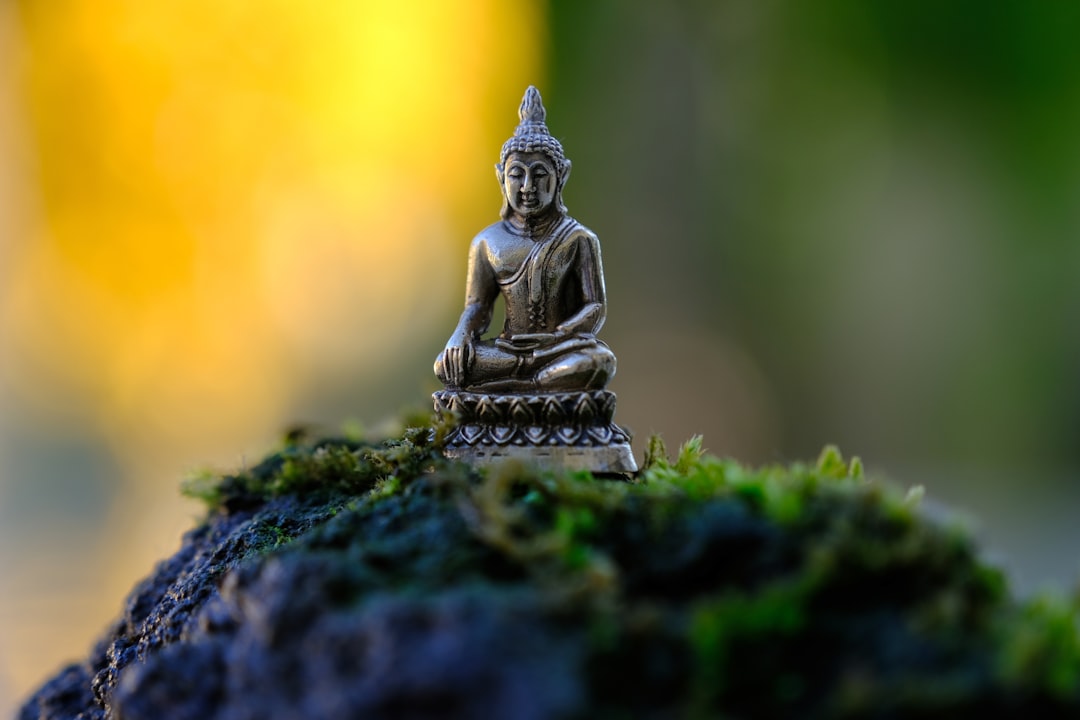
Let’s be honest, life in 2025 can feel like a constant juggle. Between work deadlines, social media notifications, and global uncertainties, our minds are often racing, leaving us feeling drained and anxious. I know I’ve been there, staring at my ceiling at 3 AM, replaying conversations or worrying about tomorrow. But what if there was a simple, yet powerful tool to help us navigate this mental chaos? Enter meditation. It’s not just for gurus anymore; it’s a practical skill for anyone seeking a calmer, more focused existence. Ready to find your inner peace? Let’s dive in! 😊
Understanding Stress in Our Modern World 🤔
Stress is a natural human response, but chronic stress, the kind many of us experience daily, can have significant detrimental effects on both our mental and physical health. The World Health Organization (WHO) noted in February 2023 that chronic stress can worsen pre-existing health problems and increase the use of substances like alcohol and tobacco. It can also cause or exacerbate mental health conditions such as anxiety and depression.
Recent data from WalletHub in 2025 highlights varying stress levels across the U.S., considering factors like work, money, family, and health. For instance, New Mexico, Nevada, and Louisiana were identified as some of the most stressed states, while Massachusetts and Nebraska ranked among the least stressed. This indicates that our environment and lifestyle choices play a crucial role in our stress levels. Furthermore, a 2025 McKinsey report indicates that younger consumers (Gen Z and millennials) in the U.S. self-report feeling “almost always stressed” at a higher rate (40%) compared to the overall population (23%), actively seeking solutions for mental health improvement.
Chronic stress can lead to a weakened immune system, digestive problems, cardiovascular issues, and even affect bone density. Managing stress isn’t just about feeling better; it’s about protecting your long-term health.
The Power of Meditation for Stress Relief 📊
Meditation, particularly mindfulness meditation, has gained significant traction as an effective tool for managing stress and improving overall well-being. Scientific research continues to validate its profound impact. A 2025 study highlighted that 15 minutes of daily mindfulness meditation over six weeks led to changes in brain activity linked to sustained attention, reducing mind-wandering and improving focus without increasing stress.
Beyond focus, meditation has been shown to reduce the size and activity of the amygdala (the brain’s stress and fear center), strengthen the prefrontal cortex (improving emotional control), and calm the default mode network (reducing rumination and overthinking). It also lowers cortisol levels, which are elevated during chronic stress, and improves heart rate variability, a marker of how well your nervous system adapts to stress.
Common Meditation Techniques and Their Benefits
| Technique | Description | Primary Benefit | Best For |
|---|---|---|---|
| Focused Attention | Concentrating on a single object like breath, a mantra, or a candle flame. | Improved focus and cognitive function. | Beginners, enhancing concentration. |
| Open Monitoring (Mindfulness) | Observing thoughts and emotions without judgment, allowing them to come and go. | Emotional regulation, reduced overthinking. | Managing anxiety, cultivating self-awareness. |
| Transcendental Meditation | Repeating a specific mantra to achieve deep relaxation. | Deep relaxation and stress reduction. | Profound stress relief, inner calm. |
| Walking Meditation | Bringing awareness to bodily sensations with each step. | Mindful movement, grounding. | Integrating mindfulness into daily activity. |
The goal of meditation is not to control your thoughts or have an “empty mind,” but to notice them without judgment and gently return your focus to your anchor (like your breath) when your mind wanders. This is a normal and crucial part of the process.
Key Checkpoints: Remember These Essentials! 📌
You’ve made it this far! With so much information, it’s easy to forget the most crucial points. Let’s recap the three things you absolutely need to remember.
-
✅
Start Small and Be Consistent
Even 5-10 minutes a day can make a significant difference. Consistency is key to building a lasting habit and seeing results, much like physical exercise. -
✅
Focus on Your Breath as an Anchor
Your breath is your constant guide. When your mind wanders, gently bring your attention back to the sensation of your breath without judgment. -
✅
Meditation is a Skill, Not a Quick Fix
It takes practice to train your brain to focus and observe without reaction. The benefits accumulate over time, leading to improved attention, emotional control, and stress resilience.
Building Your Personalized Meditation Routine 👩💼👨💻
Starting a meditation routine doesn’t require a spiritual retreat or hours of free time. It’s about finding what works for you and integrating it into your daily life. The key is consistency, even if it’s just for a few minutes.
- Choose Your Time: Some prefer morning meditation to set a positive tone for the day, while others find evening sessions help unwind before bed.
- Find Your Space: A quiet, comfortable spot where you won’t be disturbed is ideal. This could be a chair, a cushion on the floor, or even a quiet corner of your office.
- Start Small: Begin with 5-10 minutes. As you become more comfortable, you can gradually increase the duration.
- Use Guided Meditations: Apps like Calm, Headspace, Insight Timer, and Brainpal offer a wealth of guided meditations for all levels, making it easier to get started. The meditation management apps market is projected to reach $2.24 billion by 2025, reflecting increased mental health awareness and demand for digital wellness solutions.
- Be Patient and Kind to Yourself: Your mind will wander. That’s okay! Gently bring your attention back to your breath or chosen anchor. Don’t judge yourself for getting distracted.

Consider incorporating “micro-meditations” throughout your day. A 60-second breathing exercise or a brief moment of mindful awareness can help ground you during moments of acute stress.
Practical Example: A Daily 10-Minute Routine 📚
Let’s walk through a simple 10-minute meditation routine you can start today to manage stress and cultivate calm.
Scenario: Busy Professional Seeking Calm
- Situation: Sarah is a marketing manager with a demanding job, often feeling overwhelmed by emails and meetings. She wants to reduce her daily stress and improve her focus.
- Goal: Integrate a sustainable meditation practice to enhance mental clarity and emotional resilience.
Sarah’s 10-Minute Morning Routine
1) Wake Up & Settle (1 minute): Sarah wakes up 10 minutes earlier. Instead of immediately checking her phone, she sits comfortably on her bed, back straight, hands resting on her knees. She closes her eyes or softens her gaze.
2) Focus on Breath (7 minutes): She brings her attention to her breath, noticing the sensation of air entering and leaving her body. When her mind wanders (which it does, often to her to-do list), she gently acknowledges the thought and redirects her focus back to her breath, without judgment. She might silently count her breaths up to 10 and then start over.
3) Body Scan & Intention (2 minutes): For the last two minutes, she slowly scans her body from head to toe, noticing any tension and consciously relaxing those areas. She then sets a gentle intention for her day, like “Today, I will approach challenges with calm.”
Expected Results
– Improved Focus: By training her attention, Sarah finds it easier to concentrate during meetings and tasks.
– Reduced Reactivity: She feels less overwhelmed by sudden demands and responds more thoughtfully rather than reactively.
This simple routine helps Sarah start her day with a sense of calm and purpose, making her more resilient to the stresses that inevitably arise. The key is to make it a non-negotiable part of your day, just like brushing your teeth.
Conclusion: Embracing a Mindful Future 📝
In an increasingly stressful world, cultivating a meditation routine isn’t a luxury; it’s a vital tool for mental and physical well-being. From reducing anxiety and improving focus to enhancing emotional regulation, the benefits are well-documented and continuously supported by new research. By committing to even a short daily practice, you can reclaim your peace of mind and build resilience against the pressures of modern life.
Remember, the journey of meditation is personal and unfolds over time. Be patient, be kind to yourself, and celebrate every moment of mindful awareness. What’s your biggest challenge in starting a meditation routine? Share your thoughts and questions in the comments below – I’d love to hear from you! 😊
Meditation for Stress Relief: Key Takeaways
Frequently Asked Questions ❓