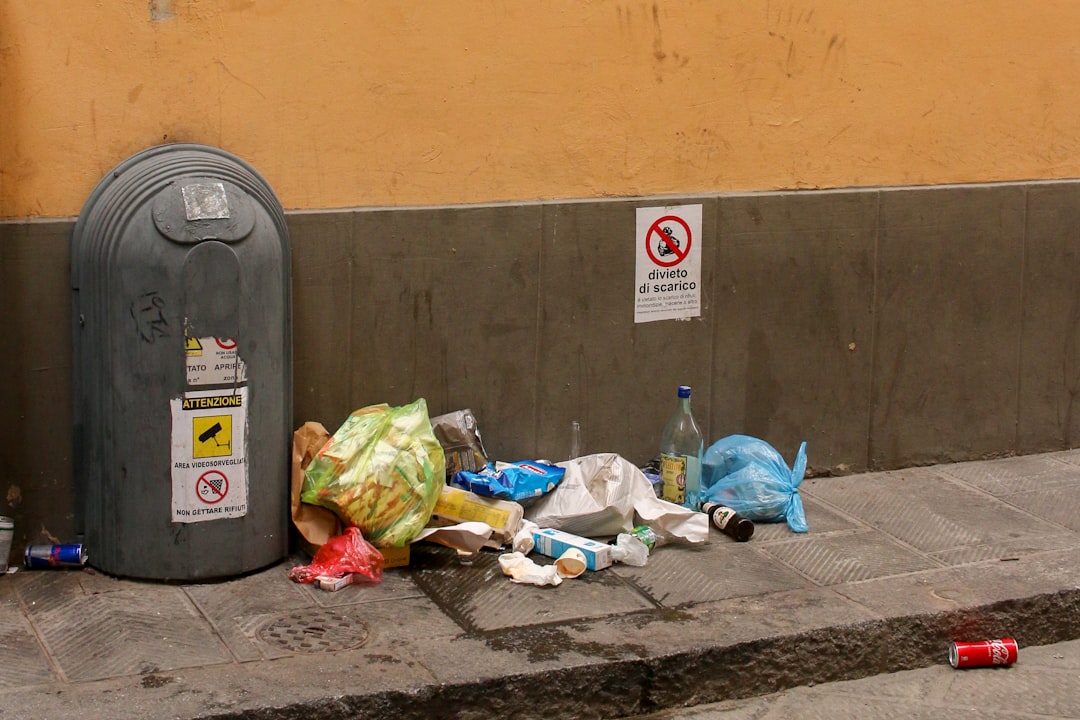
Have you ever felt overwhelmed by the sheer amount of trash we produce daily? I certainly have! From plastic packaging to food scraps, it sometimes feels like we’re drowning in waste. But what if I told you that making a significant positive impact on the environment is more accessible than ever? In 2025, the zero-waste movement is evolving, becoming less about perfection and more about conscious, consistent choices. This guide is designed to help you navigate the world of zero-waste living, offering simple, actionable steps to reduce your environmental footprint and contribute to a healthier planet. Let’s dive in and discover how small changes can lead to a big impact! 😊
Understanding Zero Waste: More Than Just Recycling 🤔
At its core, a zero-waste lifestyle is about rethinking our consumption habits so that nothing ends up in landfills, incinerators, or polluting our environment. It’s a philosophy that encourages us to redesign resource life cycles, ensuring products are reused, recycled, or composted. This isn’t just a fleeting trend; it’s a blueprint for a livable planet, gaining significant traction as climate concerns grow.
The impact of waste is staggering. Globally, municipal solid waste is projected to reach 3.4 billion tons annually by 2050 if nothing changes. In the US alone, landfills receive 167 million tons of waste each year. However, adopting widespread zero-waste practices could lead to a net reduction of 12 billion tons of waste by 2035, save over $1 trillion globally in waste-related costs, and keep oceans 80% cleaner with less plastic pollution. It also significantly reduces greenhouse gas emissions, with zero-waste strategies potentially cutting emissions by over 400 million metric tons of CO2 per year by 2030.
A 2024 study published in Sustainability suggests that if widespread zero-waste practices are adopted globally, we could cut global greenhouse gas emissions by up to 25% by 2040 and avoid up to 1.6 billion tons of CO₂-equivalent emissions annually.
The 5 R’s of Zero Waste: Your Guiding Principles 📊
The foundation of a zero-waste lifestyle lies in the “5 R’s,” a hierarchy of actions proposed by zero-waste pioneer Bea Johnson. These principles guide us to minimize waste effectively, in a specific order of priority:
| Principle | Explanation | Practical Example |
|---|---|---|
| Refuse | Say no to what you don’t need, preventing waste from entering your home. | Refuse single-use plastics, junk mail, and freebies. |
| Reduce | Minimize what you do need; declutter and buy less. | Evaluate purchasing habits, avoid impulse buys, and borrow/rent rarely used items. |
| Reuse | Extend the useful life of products by switching to reusables, repairing, or repurposing. | Use cloth bags, refillable bottles, and repair broken items instead of replacing them. |
| Recycle | Properly sort what cannot be refused, reduced, or reused. | Learn local recycling rules; recycle paper, plastic, metal, and glass. |
| Rot (Compost) | Compost organic waste to return nutrients to the earth. | Compost food scraps, yard waste, and some papers. |
It’s important to remember that recycling is the fourth option, not the first. Many recyclable materials still end up in landfills due to contamination or improper sorting. By focusing on the first three R’s, you’ll significantly reduce the amount of waste that even needs to be recycled.
Going 100% zero-waste can be incredibly challenging due to current social and economic structures. Don’t get discouraged if you can’t eliminate all waste immediately. Focus on progress, not perfection, and celebrate every small step you take!
Key Checkpoints: Remember These Essentials! 📌
You’ve made it this far! With so much information, it’s easy to forget the most crucial points. Let’s quickly recap the three most important takeaways to kickstart your zero-waste journey.
-
✅
Start Small, Be Consistent:
Don’t try to change everything overnight. Pick one habit, like using a reusable water bottle, and stick with it. Small, consistent changes are more sustainable and effective than drastic, short-lived efforts. -
✅
Embrace the 5 R’s in Order:
Refuse, Reduce, Reuse, Recycle, Rot. This hierarchy is key. Prioritize refusing and reducing before moving to reusing, recycling, and composting. -
✅
Focus on Progress, Not Perfection:
Zero waste is a journey, not a destination. There will be challenges, but every effort to reduce waste makes a difference. Celebrate your progress and learn from setbacks.
Practical Steps to Start Your Zero Waste Journey 👩💼👨💻
Ready to put the 5 R’s into action? Here are some practical steps you can take in different areas of your life, focusing on easy, impactful changes. Remember, you don’t have to do it all at once!

At Home & Shopping:
- Reusable Bags & Containers: Always carry reusable shopping bags and produce bags. For groceries, consider buying in bulk using your own containers to cut down on packaging.
- Ditch Disposables: Swap paper towels for reusable cloths, plastic wrap for beeswax wraps or silicone covers, and single-use cutlery for a portable reusable set.
- Compost Food Scraps: Organic waste in landfills produces methane, a potent greenhouse gas. Composting food scraps keeps them out of landfills and creates nutrient-rich soil.
- DIY Cleaning Products: Make your own cleaning solutions using vinegar, baking soda, and lemon to avoid plastic bottles and harsh chemicals.
Personal Care & Beauty:
- Solid Bars: Switch to shampoo, conditioner, and soap bars to eliminate plastic bottles. Many brands offer natural, effective options.
- Refillable Products: The beauty industry is seeing a rise in refillable systems for liquid products, often using glass or aluminum containers.
- Bamboo Toothbrushes & Toothpaste Tablets: Replace plastic toothbrushes with bamboo alternatives and consider toothpaste tablets to avoid plastic tubes.
- Reusable Makeup Remover Pads: Ditch disposable cotton pads for washable bamboo or cotton rounds.
Many zero-waste stores, both physical and online, offer a wide range of package-free, sustainable, and refillable products. Supporting these businesses helps reduce plastic pollution and promotes a circular economy.
Real-World Impact: The Growing Zero Waste Movement 📚
The zero-waste movement is gaining significant momentum, with communities and individuals across the US and globally making strides. Cities like New York City, Austin, and Washington D.C. have set ambitious zero-waste goals, aiming for high waste diversion rates by 2030 or 2040. These initiatives often involve organics collection, single-stream recycling, and promoting producer and community responsibility.
Case Study: The Rise of Reusables in 2025
- Trend: The “BYO” (Bring Your Own) culture is becoming second nature in 2025.
- Examples: This extends beyond tote bags to coffee cups, water bottles, straws, cutlery, food containers, and even takeout boxes.
Impact:
1) Reduces plastic waste significantly, as consumers actively refuse unnecessary packaging.
2) Encourages mindful consumption and supports businesses offering sustainable alternatives.
Future Outlook:
– The global zero-waste packaging market is expected to reach $322.99 billion in 2025, growing from $294.57 billion in 2024.
– This growth is driven by increasing awareness of packaging waste’s negative environmental impact.
Beyond environmental benefits, a zero-waste lifestyle can also lead to personal savings, a healthier lifestyle by reducing exposure to harmful chemicals, and a less cluttered, more organized home. It fosters creativity and a deeper connection with nature and community.
Wrapping Up: Your Zero Waste Journey 📝
Starting a zero-waste life in 2025 is an empowering journey that benefits both you and the planet. It’s about making conscious choices, embracing the 5 R’s, and understanding that every small step contributes to a larger, more sustainable future. Remember, progress, not perfection, is the goal. By integrating these principles into your daily routine, you’re not just reducing waste; you’re actively participating in a global movement towards a healthier, more resilient world.
What are your biggest takeaways from this guide? Do you have any zero-waste tips you swear by? Share your thoughts and questions in the comments below – let’s build a community of conscious consumers together! 😊