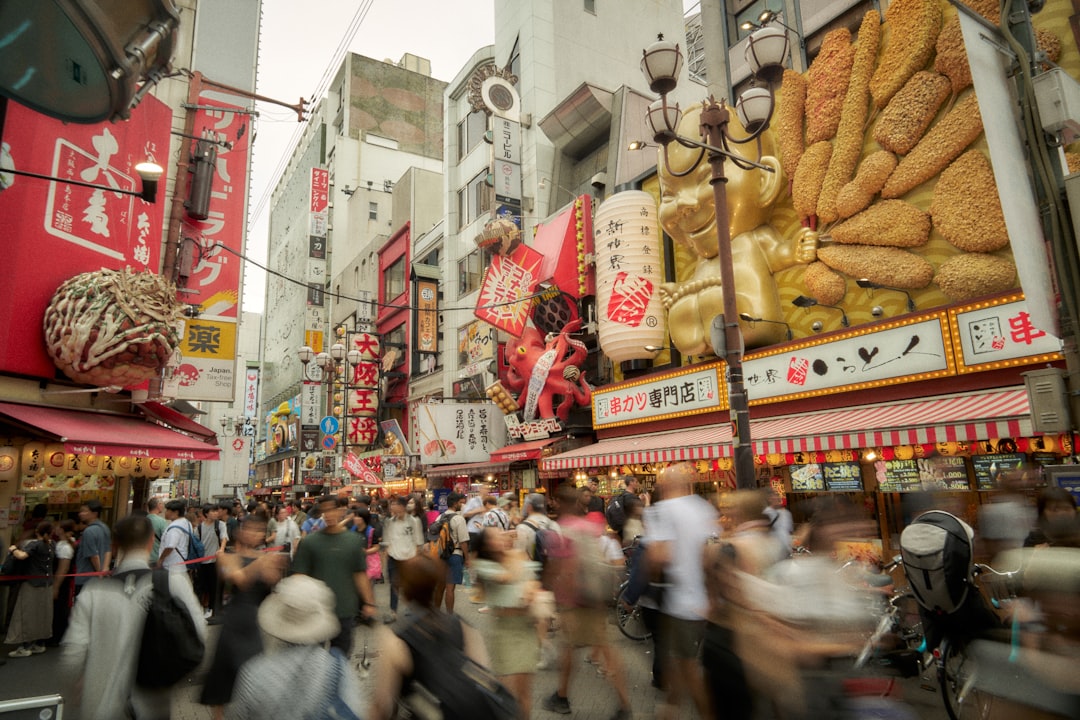
Have you ever planned an entire trip around a single dish? Or found yourself dreaming of vibrant street markets and exotic flavors? If so, you’re not alone! Culinary tourism has exploded, transforming how we experience the world. It’s no longer just about seeing the sights; it’s about tasting the culture, connecting with locals, and creating unforgettable memories through food. Let’s dive into the exciting world of global food travel for 2025 and 2026, uncovering the trends, top destinations, and smart tips to make your next gastronomic journey truly epic! 😊
The Rise of Culinary Tourism: A Global Phenomenon 🤔
Food tourism has rapidly become the fastest-growing segment in luxury tourism, with travelers increasingly prioritizing culinary experiences as a gateway to understanding culture and heritage. This isn’t just a niche interest anymore; it’s a vibrant, multi-billion-dollar movement. The global culinary tourism market, valued at an estimated USD 1.16 trillion in 2024, is projected to soar to USD 5.63 trillion by 2034, demonstrating a remarkable compound annual growth rate (CAGR) of 17.1%. Another report estimates the market at USD 1090.48 Billion in 2024, projected to USD 4210.19 Billion by 2033, with a CAGR of 14.46%.
What’s driving this delicious trend? A significant desire for authentic, locally-sourced food experiences is at the forefront. Travelers are eager to engage in hands-on culinary experiences, with cooking classes and market tours seeing a significant rise in popularity. Social media platforms like TikTok and Instagram also play a huge role, inspiring travelers to seek out hidden gems and world-renowned dining spots. In fact, nearly one in five global travelers will travel specifically to seek out new restaurants or culinary experiences, and many even book restaurant reservations before their flights!
Asia Pacific currently dominates the culinary tourism market, holding over 43.1% market share in 2024 and projected to expand at a 27.3% CAGR. Europe also holds a significant market share, accounting for 32.7% in 2023.
Top Culinary Destinations for 2025 & 2026 📊
As we look ahead to 2025 and 2026, several destinations are emerging as must-visit spots for food lovers. These places offer not just incredible cuisine, but also unique cultural experiences that truly immerse you in their local flavors. From vibrant street food scenes to Michelin-starred dining, there’s something for every palate.
Trending Culinary Hotspots
| Destination | Culinary Highlights | Why Visit Now? |
|---|---|---|
| Medellín, Colombia | Bandeja Paisa, Ajiaco, exotic fruits, vibrant nightlife. | A city of reinvention, buzzing with restaurants and a world-class nightlife scene. |
| Fès, Morocco | Tagines, pastilla, aromatic spices, traditional pastries. | Historic cities undergoing restoration, offering rich culture and old-world charm. |
| Udaipur, India | Rajasthani cuisine, elegant rooftop dining, local crafts. | Experiencing a renaissance with new luxury hotels and shimmering lakes. |
| Taiwan | Night market street food, beef noodle soup, bubble tea, diverse culinary scene. | An underrated, budget-friendly alternative to Japan/South Korea with vibrant culture and amazing food. |
Other notable mentions for 2026 include Arusha, Tanzania (gateway to safaris), Brussels, Belgium (emerging cultural powerhouse), and Queenstown, New Zealand (elevating luxury travel).
While exploring new culinary horizons, remember to respect local customs and traditions. Be aware of potential over-tourism in popular areas and strive to support local, ethical businesses.
Key Checkpoints: Don’t Forget These! 📌
Made it this far? Great! With so much to digest, let’s quickly recap the most important takeaways. Keep these three points in mind for your next food-focused journey.
-
✅
Culinary Travel is Booming:
Food tourism is a rapidly growing sector, with travelers increasingly seeking authentic gastronomic experiences to connect with cultures. -
✅
Sustainability Matters:
Prioritize local, seasonal, and plant-based options to reduce your environmental footprint and support local economies. -
✅
Smart Planning Saves Money:
Utilize free breakfasts, street food, local markets, and accommodations with kitchens to enjoy delicious meals on a budget.
Savoring Smart: Essential Food Travel Hacks 👩💼👨💻
Eating your way around the world doesn’t have to break the bank, nor does it have to be unsustainable. With a few smart strategies, you can enjoy incredible food experiences while being mindful of your budget and the planet. These tips are crucial for any modern food traveler.
- Dive into Street Food and Local Markets: This is a goldmine for affordable, authentic cuisine. In places like Hanoi or Istanbul, you can find dishes for $1-$4. Markets also offer fresh fruits and snacks for cheap picnics.
- Self-Cater with a Kitchen: Booking accommodations with a kitchen (hostels, Airbnb) allows you to cook your own meals, significantly cutting down expenses. Stock up on versatile ingredients like eggs or rice.
- Dine Where Locals Go: Skip overpriced tourist traps. Venture into quieter neighborhoods and ask locals for recommendations for hidden gems with great prices.
- Maximize Free Hotel Breakfasts: Fill up on complimentary breakfasts offered by many hotels and hostels. Focus on protein and fresh produce to stay full longer.
- Pack Smart: Carry portable snacks like granola bars and a reusable water bottle to avoid impulse buys and reduce plastic waste.
- Eat Lunch Out, Not Dinner: Lunch and brunch are almost always cheaper than dinner for similar quality meals. Look for prix-fixe menus or daily specials.
- Utilize Food Apps: Apps like EatWith connect you with locals for home-cooked meals, Yelp helps find budget-friendly restaurants, and Too Good To Go offers discounted surplus food.
Prioritize eating local and seasonal produce to reduce food miles and support local economies. Opt for plant-based meals when possible, as they generally use fewer resources. Minimize food waste by ordering appropriate portions or sharing dishes.
Real-World Example: A Culinary Journey to Medellín, Colombia 📚
Let’s imagine a trip to Medellín, Colombia, a city celebrated for its transformation and vibrant food scene. Here’s how you could apply these tips for an unforgettable and smart culinary adventure.
Traveler’s Scenario
- Destination: Medellín, Colombia (a top destination for 2026).
- Goal: Experience authentic Colombian cuisine on a moderate budget, with a focus on local and sustainable options.
Smart Culinary Strategy
1) Accommodation Choice: Booked an Airbnb in the Laureles neighborhood with a small kitchen, allowing for breakfast and occasional dinner preparation. This also places them in a local area, away from the most touristy spots.
2) Daily Meals: Enjoyed free coffee and fruits from the Airbnb host for breakfast. For lunch, explored local “menu del día” (set lunch menus) at small eateries in Laureles, often costing around $5-$7 for a full meal. Evenings were a mix of street food (like empanadas and arepas from local vendors) and one or two planned dinners at highly-rated local restaurants found via Yelp.
3) Sustainable Choices: Visited local markets like Plaza Minorista to buy fresh, seasonal fruits and vegetables, supporting local farmers. Opted for vegetarian options when available and carried a reusable water bottle and utensils to minimize waste.
Final Result
– Authentic Experience: Deeply immersed in Medellín’s culinary culture, trying diverse dishes and interacting with local vendors.
– Budget-Friendly: Kept daily food expenses well within a reasonable budget, freeing up funds for other experiences like cable car rides and museum visits.

This example highlights how strategic planning and embracing local options can lead to a richer, more affordable, and more sustainable food travel experience. It’s about being intentional with your choices and being open to discovery!
Wrapping Up: Your Next Culinary Journey Awaits! 📝
The world of food travel in 2025 and 2026 is brimming with incredible opportunities to explore, taste, and connect. From the bustling markets of Asia to the reinvented cities of South America, culinary adventures offer a unique lens through which to view our diverse planet.
By embracing the latest trends, choosing exciting destinations, and applying smart travel hacks, you’re well-equipped to embark on your most delicious journey yet. Remember to savor every bite, support local communities, and travel sustainably. What’s the first dish you’re dreaming of trying? Let me know in the comments below! 😊
Culinary Travel Essentials
Frequently Asked Questions ❓