We all love to understand ourselves and others better, don’t we? From horoscopes to complex psychological assessments, personality tests are a fun way to explore who we are. But what if your blood type held the key to your character and even your romantic destiny? In some cultures, particularly across East Asia, the belief that your blood type influences your personality and compatibility is a widespread and deeply ingrained concept, known as “ketsueki-gata.” It’s a fascinating idea, right? Let’s explore this intriguing cultural trend and separate the myths from the scientific reality! 😊
The Roots of Ketsueki-gata: A Cultural Phenomenon 🤔
The concept of blood type personality theory, or ketsueki-gata, has its origins in Japan. It was first introduced in 1927 by Japanese professor Takeji Furukawa, who published a paper suggesting a link between blood groups and temperament. While his initial research was criticized for its lack of scientific rigor and small sample size, the idea gained significant traction.
The theory truly exploded in popularity in the 1970s, largely thanks to journalist Masahiko Nomi, who had no medical background but published a series of bestselling books on the subject. Nomi’s work resonated deeply with the Japanese public, solidifying blood type personality theories in pop culture. From Japan, this unique cultural phenomenon spread to other East Asian countries, notably South Korea and Taiwan, where it continues to influence various aspects of daily life, from personal relationships to professional interactions.
In Japan and South Korea, asking someone their blood type can be as common as asking for their zodiac sign in Western cultures, often used as an icebreaker or a way to quickly gauge personality.
Decoding the Blood Type Personalities: Common Stereotypes 📊
According to ketsueki-gata, each blood type is associated with a distinct set of personality traits. It’s important to remember these are widely held cultural beliefs and stereotypes, not scientifically proven facts. Here’s a glimpse into the commonly associated characteristics:
Blood Type Personality Traits Table
| Blood Type | Common Positive Traits | Common Negative Traits | General Perception |
|---|---|---|---|
| Type A | Calm, organized, responsible, diligent, cooperative, sensitive, perfectionist. | Stubborn, anxious, indecisive, overly sensitive, pessimistic, easily stressed. | Often seen as reliable team players. |
| Type B | Creative, passionate, optimistic, adventurous, independent, enthusiastic, outgoing. | Selfish, irresponsible, unpredictable, erratic, moody. | Regarded as free-spirited individuals. |
| Type AB | Rational, adaptable, diplomatic, intelligent, empathetic, complex, charismatic. | Aloof, unpredictable, critical, moody, indecisive, forgetful, easily irritated. | Often seen as a blend of A and B traits, sometimes mysterious. |
| Type O | Confident, outgoing, generous, natural leaders, optimistic, strong-willed, resilient. | Arrogant, insensitive, stubborn, aggressive, ruthless. | Perceived as confident and sociable go-getters. |
These are generalizations from popular culture. Real human personalities are far more complex and cannot be simply categorized by blood type.
Key Checkpoints: What to Remember! 📌
Have you been following along? This topic can be quite extensive, so let’s quickly recap the most important takeaways. Please keep these three points in mind:
-
✅
Blood Type Personality is a Cultural Phenomenon
Originating in Japan, the belief that blood type influences personality is widely popular in East Asian cultures, used for everything from icebreakers to dating. -
✅
Stereotypes Exist for Each Blood Type
Each blood type (A, B, AB, O) is associated with a set of generalized positive and negative traits, influencing perceptions in social and romantic contexts. -
✅
No Scientific Basis for Personality or Compatibility
Despite its cultural prevalence, scientific research consistently shows no significant correlation between blood type and personality or compatibility. It’s considered pseudoscience.
Blood Type and Compatibility: A Dating Trend? 👩💼👨💻
Beyond just personality, blood type theory often extends to romantic compatibility. In countries where ketsueki-gata is popular, people frequently consider blood type when seeking partners or evaluating relationships. It’s not uncommon to find blood type listed on dating profiles or discussed during initial dates, similar to how zodiac signs are used in other cultures.
Recent trends even show the emergence of blood type matching apps, aiming to revolutionize dating by suggesting partners based on purported blood type compatibility. These apps leverage the cultural belief that certain blood types harmonize better than others, offering compatibility scores. For example, Type O individuals are sometimes considered best compatible with Type A, while Type B might find a better match with Type AB.
While blood type compatibility can be a fun conversation starter, relying solely on it for relationship decisions can lead to unfounded stereotypes and potentially overlook genuine connections.
The Scientific Verdict: Myth vs. Reality 📚
Despite its widespread cultural acceptance and intriguing appeal, the scientific community overwhelmingly dismisses the blood type personality theory as pseudoscience. Multiple scientific studies have attempted to validate a direct connection between blood type and personality traits, but the results have consistently shown no significant correlation.
Modern psychology and neuroscience emphasize that personality development is a complex interplay of genetic factors, environmental conditions, and personal experiences, rather than a single biological marker like blood type. The popularity of such theories is often attributed to psychological phenomena like the Barnum Effect, where individuals tend to believe vague and general statements about themselves, and the self-fulfilling prophecy, where believing in a trait can unconsciously lead one to exhibit it.
A Look at Scientific Research
- 2015 Study: A study published in “Personality and Individual Differences” analyzed data from over 10,000 participants and found no significant association between blood types and personality traits.
- 2018 Study: Research in the “Asian Journal of Social Psychology” with over 1,000 Japanese participants concluded that blood types were not reliable predictors of personality.
- 2021 Study: Even with current investigative methods, a 2021 study examining blood type and personality demonstrated no significant correlation.
Why the Discrepancy?
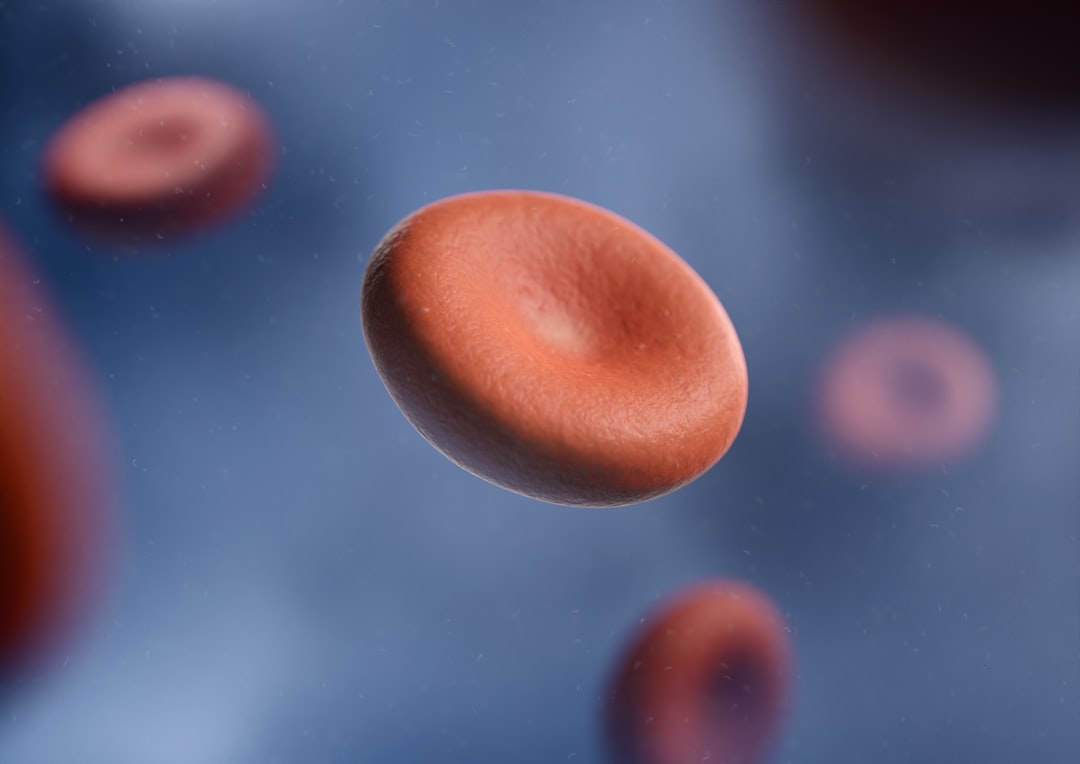
1) Blood types are determined by antigens on red blood cells, which have no known influence on psychological or behavioral traits.
2) Personality is a complex construct shaped by genetics, environment, and social factors, not a single physiological characteristic.
While a small 2015 study suggested a weak link between blood types and persistence due to a genetic connection influencing dopamine production, this connection was noted as small, requiring more research, and does not validate the broader personality theory.

Wrapping Up: Key Takeaways 📝
So, what’s the final word on blood type personality and compatibility? It’s a fascinating and deeply ingrained cultural belief, particularly in East Asia, offering a fun lens through which to view ourselves and others. It can be a great icebreaker, a topic for lighthearted discussion, and even a basis for popular dating trends.
However, it’s crucial to remember that this theory lacks scientific backing. Our personalities are incredibly rich and multifaceted, shaped by a unique blend of experiences, genetics, and environment. While it’s enjoyable to explore these cultural ideas, let’s not forget that true understanding comes from getting to know individuals for who they truly are, beyond any simple categorization. What are your thoughts on blood type personality? Share your comments below! 😊
Blood Type Personality: Quick Facts
Scientific research consistently finds no correlation between blood type and personality or compatibility.
Frequently Asked Questions ❓