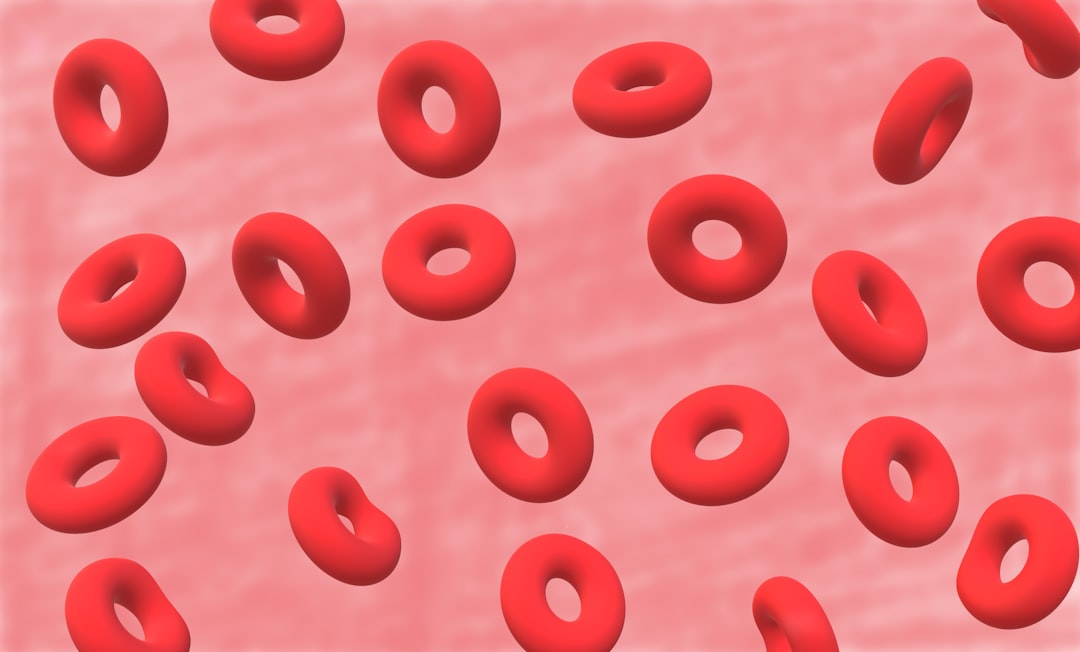
Have you ever been asked your blood type, not for medical reasons, but to gauge your personality or potential compatibility? It might sound a bit unusual to some, but in many parts of East Asia, particularly Japan and South Korea, the belief that blood types influence personality traits and relationship dynamics is incredibly popular. It’s a topic that sparks lively conversations, guides matchmaking, and even subtly influences daily interactions. But is there any truth to this intriguing idea, or is it just a fun cultural quirk? Let’s explore the enduring appeal of blood type personalities and separate the facts from the fiction! 😊
The Enduring Appeal of Blood Type Personalities 🤔
The concept of blood type personality, known as “ketsueki-gata” in Japan, dates back to the early 20th century. Japanese professor Takeji Furukawa published a paper in 1927 suggesting a link between blood groups and temperament, an idea that gained significant traction and was further popularized by journalist Masahiko Nomi in the 1970s. This belief system attributes specific personality characteristics to the four ABO blood types: A, B, O, and AB.
In cultures where this theory is prevalent, it’s common to hear people discuss blood types as casually as Westerners might discuss zodiac signs. It serves as an icebreaker, a tool for self-expression, and a way to quickly understand perceived personality traits in others. This cultural phenomenon has permeated various aspects of society, from marketing products tailored to specific blood types to influencing dating choices and even, historically, job interviews.
A 2011 survey in Japan found that more than half of respondents enjoyed talking about personalities based on blood types, and many felt the traits applied to themselves to some degree.
What Science Says (or Doesn’t Say) 📊
Despite its widespread cultural acceptance, the scientific community largely dismisses the blood type personality theory as pseudoscience. Numerous rigorous studies conducted across the globe, including in Japan, Korea, Taiwan, and the United States, have consistently found no substantial scientific evidence or statistically significant correlation between blood type and personality traits.
Modern psychology and neuroscience emphasize that personality is a complex construct shaped by a myriad of genetic, environmental, and social factors, not by antigens on the surface of red blood cells. The appeal of blood type personality theories often lies in phenomena like the “Barnum effect” or “Forer effect,” where individuals tend to accept vague or general personality descriptions as highly accurate for themselves.
Common Blood Type Stereotypes vs. Scientific Reality
| Blood Type | Common Stereotypes | Scientific Basis | Notes |
|---|---|---|---|
| Type A | Organized, patient, perfectionist, sensitive, anxious. | None. | Personality is complex, not tied to blood. |
| Type B | Creative, flexible, individualistic, passionate, but also selfish, unpredictable. | None. | Stereotypes can lead to discrimination. |
| Type O | Confident, outgoing, natural leaders, resilient, but can be stubborn, self-centered. | None. | Often seen as “leader type” in Korea. |
| Type AB | Complex, rational, adaptable, empathetic, sometimes unpredictable. | None. | Rarest blood type, often seen as having dual personalities. |
While often seen as harmless fun, the belief in blood type personalities has been linked to discrimination in workplaces and dating scenes in some cultures, particularly against Type B individuals.
Key Takeaways: What to Remember! 📌
Have you followed along so far? Since this article is quite detailed, let’s quickly recap the most important points. Please keep these three things in mind:
-
✅
No Scientific Basis:
The most crucial takeaway is that scientific research overwhelmingly shows no correlation between your blood type and your personality. -
✅
Cultural Phenomenon:
Despite the lack of scientific proof, blood type personality remains a significant cultural belief in many East Asian countries, influencing social interactions and pop culture. -
✅
True Compatibility Factors:
For genuine relationship compatibility, focus on psychological factors like shared values, communication, and personality traits, not blood type.
Cultural Impact and Modern Trends 👩💼👨💻
Even in 2025, the blood type personality theory continues to hold a place in popular culture, particularly in East Asia. You might still encounter it in anime, manga, video games, and even dating apps that use blood type as a compatibility criterion. In South Korea, for instance, it’s often mentioned alongside other personality indicators like MBTI, which is also very popular among younger generations.
However, there are signs of evolving attitudes. With increased scientific literacy and exposure to international perspectives, many younger people are beginning to view blood type personality theory more as a fun cultural quirk rather than a serious basis for life decisions. While its deep roots in culture suggest it won’t disappear entirely, its influence on serious matters like employment or marriage decisions may be diminishing.
The persistence of blood type personality beliefs can sometimes be attributed to a “self-fulfilling prophecy,” where individuals unconsciously align their behavior with the traits associated with their blood type.
Real-World Compatibility: Beyond Blood Types 📚
If blood type doesn’t determine personality or compatibility, what truly does? Psychological research offers far more robust insights into what makes relationships thrive. Factors like shared values, effective communication, emotional intelligence, and complementary personality traits are far more influential than any biological marker.
Case Study: Building Lasting Connections
- Scenario: Sarah (Blood Type A) and Mark (Blood Type B) are dating. Based on stereotypes, they might be considered incompatible due to Type A’s perceived anxiety and Type B’s selfishness.
- Reality: Sarah and Mark focus on open communication and mutual respect. Sarah appreciates Mark’s creativity and independence, while Mark values Sarah’s thoughtfulness and organizational skills. They actively work through disagreements.
Key Compatibility Factors Observed
1) Agreeableness: Studies suggest that couples with similar levels of agreeableness tend to be happier.
2) Neuroticism: High neuroticism can negatively impact relationship satisfaction, while a decrease in neuroticism is often observed in those in romantic relationships.
3) Attachment Style: Secure attachment styles, developed through healthy childhood experiences, significantly contribute to relationship success.
Final Outcome
– Stronger Bond: By prioritizing genuine psychological compatibility over pseudoscientific beliefs, Sarah and Mark build a resilient and fulfilling relationship.
– Personal Growth: Their relationship fosters personal growth, with partners influencing each other’s personality development over time.
This example highlights that true compatibility isn’t about a biological marker but about the dynamic interplay of individual personalities, efforts, and shared life experiences. Focusing on these elements will lead to a stronger relationship than any biological marker ever could.
Conclusion: Embracing True Understanding 📝
While the blood type personality theory offers a fun and engaging way to discuss human nature, it’s essential to remember that it lacks scientific backing. As of November 25, 2025, the consensus among scientists and psychologists remains clear: your blood type does not determine your personality or your compatibility with others.
Instead of relying on pseudoscientific beliefs, let’s embrace the richness and complexity of human personality. True compatibility in relationships, friendships, and professional settings stems from understanding, empathy, shared values, and effective communication. So, the next time someone asks your blood type, feel free to share it, but remember that the real you is far more intricate and fascinating than any single biological factor! If you have more questions or thoughts, feel free to share them in the comments below! 😊
Quick Summary: Blood Type & Personality
Frequently Asked Questions ❓