Have you ever wondered if your blood type dictates who you are? Maybe you’ve heard that Type A individuals are organized, or Type B folks are creative free spirits. It’s a common belief in many parts of the world, particularly in East Asia, where blood type personality theories are as popular as zodiac signs in the West. But how much truth is there to these intriguing claims? Let’s explore the enduring allure of blood type personalities and what science has to say about it! 😊
The Enduring Allure of Blood Type Personalities 🤔
For decades, the idea that our blood type influences our personality and even compatibility with others has captured public imagination. This concept, often referred to as “Ketsueki-gata” in Japan, assigns specific traits to each of the four main ABO blood groups: A, B, O, and AB. It’s a fun way to categorize ourselves and others, often used in social settings, dating, and even in some workplaces for team building.
Let’s quickly recap some of the commonly associated traits:
- Type A: Often described as organized, diligent, sensitive, and responsible, but can also be stubborn and anxious.
- Type B: Seen as creative, passionate, strong-willed, and independent, sometimes perceived as selfish or irresponsible.
- Type O: Characterized as confident, ambitious, sociable, and natural leaders, though they might be seen as arrogant or insensitive.
- Type AB: Considered rational, adaptable, unique, and empathetic, but can also be indecisive or critical.
These descriptions are widely known and often lead to playful discussions about why certain people act the way they do. It’s almost like a cultural shorthand for understanding human behavior.
While these personality associations are popular, especially in countries like Japan and South Korea, it’s crucial to remember they are largely based on cultural beliefs and anecdotal observations, not scientific evidence.
Unpacking the Science: What Do Experts Say? 📊
Now, let’s get to the heart of the matter: what does modern science tell us about blood type and personality? The overwhelming consensus among the scientific and medical communities is that there is no credible scientific evidence to support a link between ABO blood types and personality traits or compatibility.
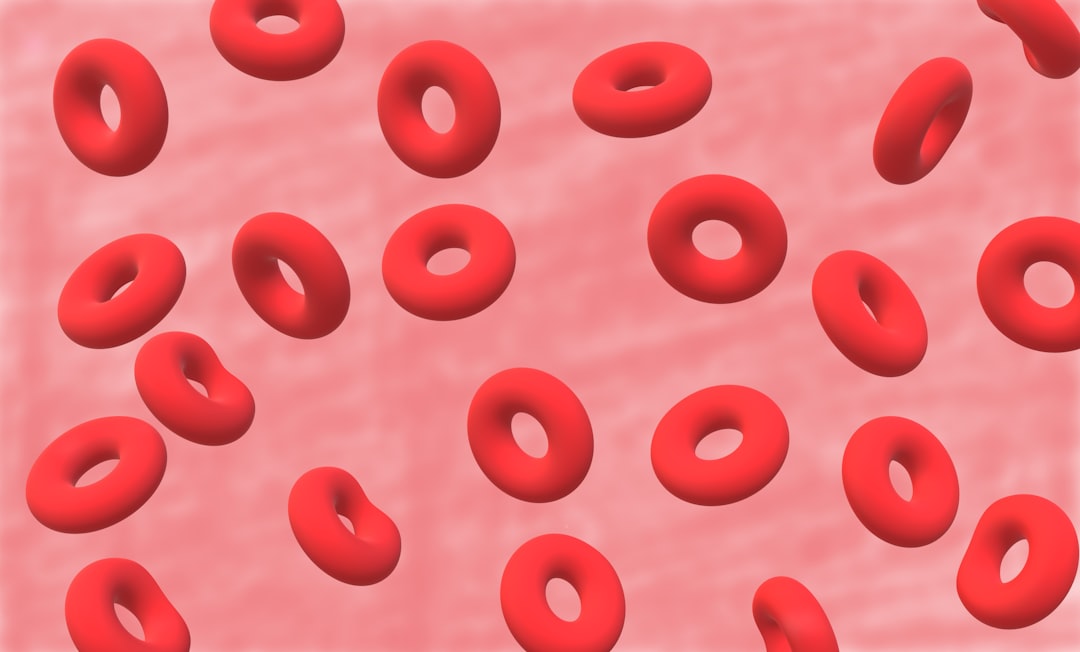
Blood types are determined by antigens on the surface of red blood cells, which are genetically inherited. Their primary biological functions relate to blood transfusions, disease susceptibility, and immune responses. While there are fascinating ongoing studies about how blood types might influence certain health conditions or even gut microbiome composition, these are distinct from personality.
Blood Type Personality: Myth vs. Reality
| Blood Type | Common Personality Stereotype | Scientific Basis |
|---|---|---|
| A | Organized, diligent, anxious | None found in peer-reviewed studies. |
| B | Creative, passionate, independent | No scientific correlation. |
| O | Confident, ambitious, leader | No evidence supports this link. |
| AB | Rational, adaptable, unique | Lacks scientific validation. |
While blood type personality theories can be a fun conversation starter, relying on them for significant life decisions, such as choosing a partner or career path, is not recommended. Personality is a complex interplay of genetics, environment, upbringing, and personal experiences.
Key Checkpoints: What to Remember! 📌
Have you followed along well so far? This article is quite long, so I’ll highlight the most important takeaways. Please remember these three key points:
-
✅
No Scientific Link to Personality:
Despite popular belief, there is no scientific evidence supporting a correlation between your ABO blood type and your personality traits or compatibility. -
✅
Cultural Phenomenon, Not Medical Fact:
Blood type personality theories are a cultural phenomenon, particularly strong in some Asian countries, but they are not recognized by mainstream science or psychology. -
✅
Blood Types Have Real Medical Significance:
While not linked to personality, blood types are crucial for transfusions, organ transplants, and are being studied for their potential influence on disease susceptibility and health.
Beyond Personality: The Real Impact of Blood Types 👩💼👨💻
While the personality link remains unproven, blood types do have significant and scientifically recognized impacts on our health. For instance, research has shown correlations between certain blood types and susceptibility to various diseases. Type O individuals, for example, are less susceptible to certain types of severe malaria and have a lower risk of heart disease, but may be more prone to stomach ulcers.
Conversely, Type A, B, and AB individuals have a slightly higher risk of heart disease compared to Type O. During the COVID-19 pandemic, some studies suggested that Type O blood might be associated with a slightly lower risk of infection and severe illness, though more research is always ongoing in this area.
The medical implications of blood types are complex and are subjects of ongoing scientific research. These are based on biological mechanisms, not on abstract personality traits. Always consult medical professionals for health advice.
Real-World Implications: Why the Belief Persists 📚
Given the lack of scientific backing, why do blood type personality theories continue to thrive? Several psychological and sociological factors contribute to their persistence. One major factor is confirmation bias. When people believe in blood type personalities, they tend to notice and remember behaviors that fit the stereotype, while ignoring those that don’t.
Another reason is the Barnum effect, where people readily accept vague and general descriptions as uniquely applicable to themselves. The cultural reinforcement, through media, books, and social interactions, also plays a significant role in solidifying these beliefs. It’s a fun, simple framework for understanding complex human behavior, even if it’s not scientifically accurate.
Case Study: Emily and Her Type B Friend
- Situation: Emily, a Type A, believes her friend Sarah, a Type B, is inherently disorganized.
- Observation: Sarah often leaves her desk messy and is late for appointments.
Emily’s Interpretation
1) Emily attributes Sarah’s disorganization directly to her “Type B” personality traits, reinforcing her belief.
2) She overlooks instances where Sarah is highly organized (e.g., meticulously planning a trip) because they don’t fit the stereotype.
Final Result
– Emily’s belief in blood type personalities is strengthened, despite Sarah’s actual personality being more nuanced.
– This illustrates how confirmation bias can make these theories feel “true” to individuals.
This example highlights how easily we can fall into the trap of selective observation when we have preconceived notions. It’s a natural human tendency, but one we should be aware of when evaluating information.
Conclusion: Summarizing the Core Insights 📝
So, what’s the final verdict on blood type personalities and compatibility? While undeniably popular and a source of amusement and social connection in many cultures, the scientific community largely dismisses any direct link between your ABO blood group and your personality or romantic compatibility. Our personalities are far too intricate to be reduced to a single biological marker like blood type.
Instead, let’s appreciate blood types for their true scientific significance in medicine and health. It’s perfectly fine to enjoy blood type personality discussions as a cultural curiosity, but always remember to approach them with a critical, science-informed perspective. What are your thoughts on this? Feel free to share in the comments below! 😊
Blood Type & Personality: Quick Facts
Frequently Asked Questions ❓
