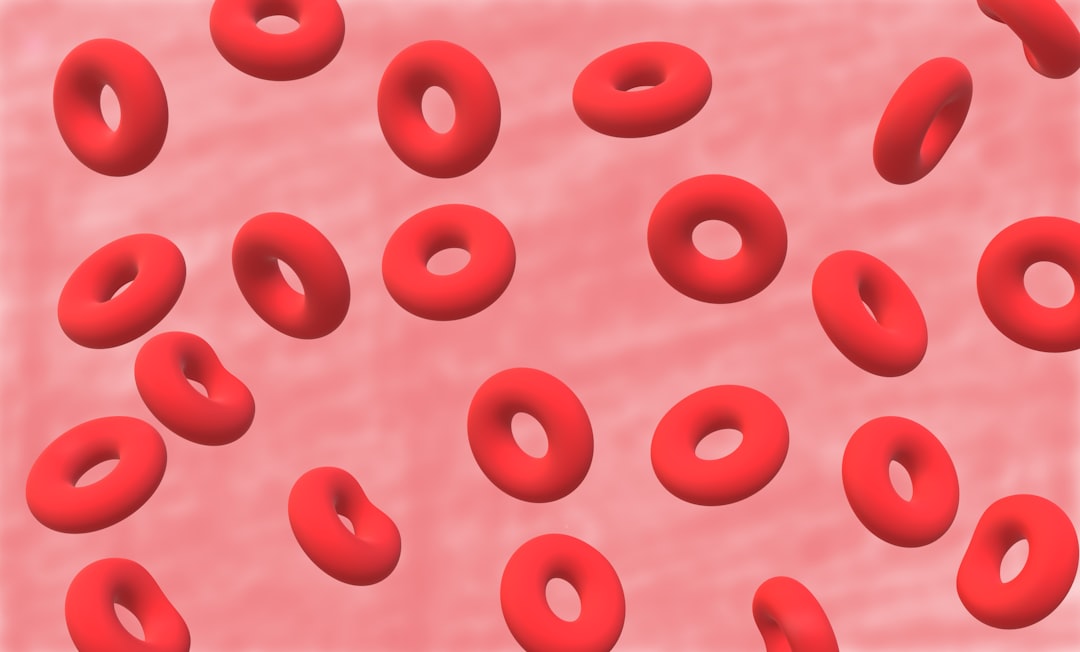
Have you ever been asked your blood type in a social setting, not for medical reasons, but to understand your character? It might sound a bit unusual to some, but in many parts of the world, particularly in East Asia, the belief that your blood type dictates your personality is a widespread and intriguing concept. It’s often treated with the same casual curiosity as zodiac signs in Western cultures. But is there any truth to it, or is it just a fun way to break the ice? Let’s explore the enduring allure of blood type personalities and separate the scientific facts from the fascinating fiction! 😊
The Enduring Allure of Blood Type Personalities 🤔
The idea that blood type influences personality, known as “ketsueki-gata,” gained significant traction in Japan. This concept originated with Japanese professor Tokeji Furukawa in the 1930s, who published a paper suggesting a link between blood groups and temperament. His work was later popularized by journalist Masahiko Nomi in the 1970s, whose books on the subject became bestsellers and cemented blood type personality theories into mainstream culture.
In cultures where this belief is prevalent, people often associate specific traits with each of the four main ABO blood types:
- Type A: Often described as self-reliant, deep thinkers, rational, and controlled. They are typically loyal, patient, and peace-loving, but can also be overly sensitive, meticulous, and sometimes stubborn or uptight.
- Type B: Believed to be outgoing, socially active, strong, passionate, and empathetic. They are often seen as creative, individualistic, and adaptable, though they can sometimes be perceived as selfish, erratic, or spontaneous.
- Type O: Frequently characterized as confident, extroverted, optimistic, and natural leaders. They are often daring, resilient, and devoted, but their confidence can sometimes be interpreted as arrogance, jealousy, or insensitivity.
- Type AB: Considered a blend of A and B traits, making them rational, composed, sociable, and adaptable. They are often seen as empathetic, logical, and analytical, but can also be indecisive, critical, or aloof.
In Japan, it’s not uncommon for job interviewers or dating profiles to ask for your blood type, reflecting how deeply ingrained this belief is in some social contexts.
What Science Really Says: Separating Fact from Fiction 📊
Despite the widespread popularity and cultural significance of blood type personality theories, the scientific community largely classifies “ketsueki-gata” as a pseudoscience. Numerous rigorous studies, including those conducted in the 21st century across various countries, have found no consistent or statistically significant evidence to support a direct link between a person’s ABO blood type and their personality or temperament.
Some researchers suggest that any perceived correlation might be attributed to a “self-fulfilling prophecy,” where individuals unconsciously adopt traits associated with their blood type due to cultural exposure. While some Japanese surveys have shown respondents displaying traits corresponding to their blood type, these effects were often smaller in groups unaware of the theory, highlighting the influence of cultural belief rather than biological fact.
The “Blood Type Diet” Myth
Another popular, yet scientifically unsupported, concept is the “Blood Type Diet,” popularized by naturopathic physician Peter D’Adamo. This diet suggests that individuals should eat specific foods based on their blood type to optimize health and prevent disease. For example, Type O individuals are advised to eat a high-protein diet, while Type A individuals are encouraged to follow a vegetarian diet.
| Claimed Blood Type Diet | Dietary Focus | Scientific Consensus |
|---|---|---|
| Type O (Hunter) | High protein, meat-heavy, avoid grains/legumes | No evidence |
| Type A (Agrarian) | Vegetarian, high carbs, avoid meat | No evidence |
| Type B (Nomad) | Balanced omnivore, dairy focus | No evidence |
| Type AB (Enigma) | Mix of A and B, more restrictions | No evidence |
While some individuals following these diets report health improvements, scientific reviews consistently conclude that there’s no evidence to validate the purported health benefits of blood type diets. Any positive outcomes are likely due to the general health benefits of consuming more fruits, vegetables, and whole foods while avoiding ultra-processed items, rather than any specific interaction with blood type.
Relying solely on blood type for dietary choices can lead to unnecessary restrictions and potentially inadequate nutrient intake. Always consult with a healthcare professional or registered dietitian for personalized dietary advice.
Key Takeaways: What to Remember! 📌
We’ve covered a lot, haven’t we? To make sure you don’t forget the most important points, here are three key takeaways to keep in mind:
-
✅
Blood Type Personalities are Cultural, Not Scientific.
While fascinating and popular in some cultures, there is no scientific evidence to support a direct link between your blood type and your personality traits. It’s a pseudoscience, much like astrology. -
✅
The “Blood Type Diet” Lacks Scientific Validation.
Despite its popularity, the idea of eating according to your blood type is not supported by scientific research. Any health benefits are likely due to generally healthy eating habits, not blood type specificity. -
✅
Blood Type DOES Influence Health Risks.
Crucially, your blood type is a factor in your predisposition to certain diseases like heart disease, stroke, some cancers, and even infectious diseases like COVID-19. This is where the real science lies!
Beyond Personality: Blood Type’s Real Health Connections 👩💼👨💻
While the personality links are largely mythical, it’s important to understand that your blood type does have genuine, scientifically-backed connections to various health conditions and disease risks. This is where the true biological significance of your blood type lies. Recent studies continue to uncover these fascinating associations:
- Cardiovascular Health: Individuals with blood types A, B, or AB generally have a higher risk of heart disease and venous thromboembolism (blood clots) compared to those with Type O blood. A recent study in 2025 found that people with blood type A had a 16% higher risk of suffering a stroke before the age of 60, while those with type O had a 12% lower risk. This is thought to be related to higher levels of clotting proteins in non-O blood types.
- Cancer Risk: Type A blood has been linked to a higher risk of stomach cancer, possibly due to increased susceptibility to H. pylori infection. Types A, B, and AB may also face a higher risk of pancreatic cancer. Furthermore, a study published in late 2025 indicated that Type A blood has a higher chance of autoimmune liver diseases, while Type B shows a lower risk.
- Infectious Diseases: Research during the COVID-19 pandemic suggested that individuals with Type O blood might have a lower risk of infection and reduced severity of the disease, whereas Types A and AB could face an increased risk of severe outcomes. Type O blood may also offer some protection against malaria.
- Stress Response: People with Type A blood tend to have higher baseline levels of cortisol, the stress hormone, which might make them more susceptible to stress.
While these links exist, blood type is just one of many factors influencing health. Lifestyle choices, genetics, and environmental factors play a much larger role in your overall well-being. These findings should inform awareness, not cause undue alarm.
Real-World Insights: Empowering Health Choices 📚
Understanding the distinction between cultural beliefs and scientific facts about blood types can be incredibly empowering. While it’s fun to speculate about personality traits, focusing on the evidence-based connections to health allows us to make more informed decisions about our well-being. For instance, knowing your blood type’s potential predispositions can encourage proactive health management.
Case in Point: Proactive Health for Type A Individuals
- Situation: Sarah, a Type A individual, learns about her increased risk for stomach cancer and higher cortisol levels.
- Action: Instead of worrying, Sarah decides to be more proactive. She discusses regular screenings for H. pylori with her doctor, focuses on stress-reduction techniques like meditation, and maintains a balanced diet rich in fruits and vegetables.
Impact of Knowledge
– Empowerment: Sarah feels more in control of her health, moving from passive concern to active prevention.
– Informed Choices: Her blood type knowledge guides her discussions with healthcare providers, leading to personalized advice and early detection strategies.
This example highlights that while blood type doesn’t define who you are as a person, it can offer valuable insights into your biological makeup, guiding you towards a more personalized and preventative approach to health. It’s about leveraging scientific understanding to live a healthier, more informed life.

Conclusion: Summarizing the Essentials 📝
In conclusion, while the idea of blood type dictating personality remains a captivating cultural phenomenon, especially in some Asian countries, it lacks scientific validation. Modern research consistently points to these theories as pseudoscience, akin to astrology.
However, it’s crucial to distinguish this from the very real and scientifically proven connections between your blood type and various health predispositions, including risks for certain diseases like heart conditions, stroke, and some cancers. Understanding these genuine biological links can empower you to make informed health choices and engage in proactive preventative care. Let’s appreciate the cultural fun, but always prioritize evidence-based information for our health! If you have more questions, feel free to ask in the comments below! 😊
Blood Type Insights: Quick Summary
Frequently Asked Questions ❓