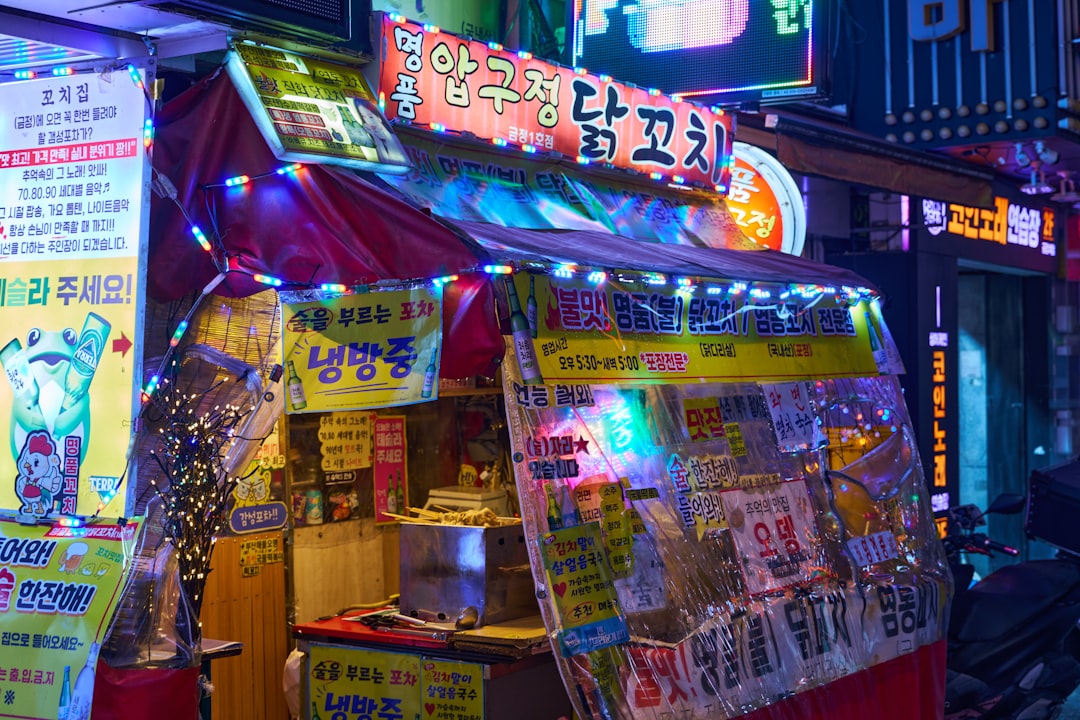
Have you ever planned an entire trip around a single dish, or found yourself dreaming of vibrant street food markets in far-off lands? If so, you’re not alone! Culinary tourism is booming, transforming how we explore the world. In 2026, it’s less about ticking off landmarks and more about truly experiencing a destination through its flavors, traditions, and local communities. Let’s dive into the delicious world of food travel! 😊
The Rise of Culinary Travel: Trends Shaping 2026 🤔
Food has always been a part of travel, but in 2026, it’s taking center stage. Travelers are increasingly seeking authentic, immersive food experiences that connect them to local culture and heritage. This isn’t just about fine dining; it’s about everything from street food stalls to farm-to-table experiences. The global culinary tourism market, valued at an estimated $1.09 trillion in 2024, is projected to reach a staggering $4.21 trillion by 2033, growing at a CAGR of 14.46% between 2025 and 2033.
Several key trends are driving this delicious shift. Experiential travel is paramount, with many planning trips around a singular activity or experience, and culinary adventures are a top priority. There’s a growing desire for sustainable and regenerative culinary tourism, where travelers want their meals to restore ecosystems, uplift communities, and protect food heritage. This means supporting local farmers, producers, and businesses, and seeking out transparent information about food sourcing.
According to the World Tourism Organization (UNWTO), culinary tourism has become the fastest-growing subspecies of cultural experience tourism. This highlights its increasing importance in the global travel landscape.
Top Foodie Destinations for 2026 📊
So, where should your taste buds take you in 2026? From bustling street food havens to Michelin-starred cities, here are some of the world’s best food destinations that are captivating culinary travelers:
Emerging & Established Culinary Hotspots
| Destination | Why It’s a Foodie Paradise | Must-Try Dishes/Experiences | Key Trend |
|---|---|---|---|
| Lima, Peru | Latin America’s Culinary Capital, known for its fusion of indigenous, Spanish, African, and Asian influences. Home to some of the world’s top restaurants. | Ceviche, Lomo Saltado, Anticuchos, Pisco Sour. High-end dining (Central, Maido) and vibrant local markets. | Fusion Cuisine, Fine Dining, Indigenous Flavors |
| Bangkok, Thailand | A UNESCO Creative City of Gastronomy with an unparalleled 24/7 street food culture. | Pad Thai, Tom Yum Goong, Som Tam, Mango Sticky Rice. Explore Yaowarat (Chinatown) and Or Tor Kor Market. | Street Food, Authentic Experiences |
| Oaxaca, Mexico | Mole & Mezcal Capital, rich indigenous food culture, colorful markets, and chocolate. | Seven varieties of mole, tlayudas, chapulines, mezcal tastings. Ancestral maize workshops. | Indigenous Foodways, Cultural Immersion |
| Crete, Greece | One of three European Regions of Gastronomy for 2026, praised for local produce and excellent olive oil. | Dakos (barley bread with tomatoes and feta), fresh seafood, local cheeses. | Regional Gastronomy, Mediterranean Diet |
| Venice, Italy | Undergoing a culinary renaissance with new high-profile openings and a focus on reworking lagoon cuisine. | Traditional Venetian dishes, cicchetti (small snacks), fresh seafood. | Luxury Culinary, Regional Italian |
| Secondary Cities (e.g., Salamanca, Spain; Monopoli, Italy) | Travelers are increasingly opting for Europe’s secondary cities for lower prices, fewer crowds, and authentic local experiences. | Local tapas, regional wines, traditional pastries. Discover hidden gems. | Authentic Local Experiences, Budget-Friendly |
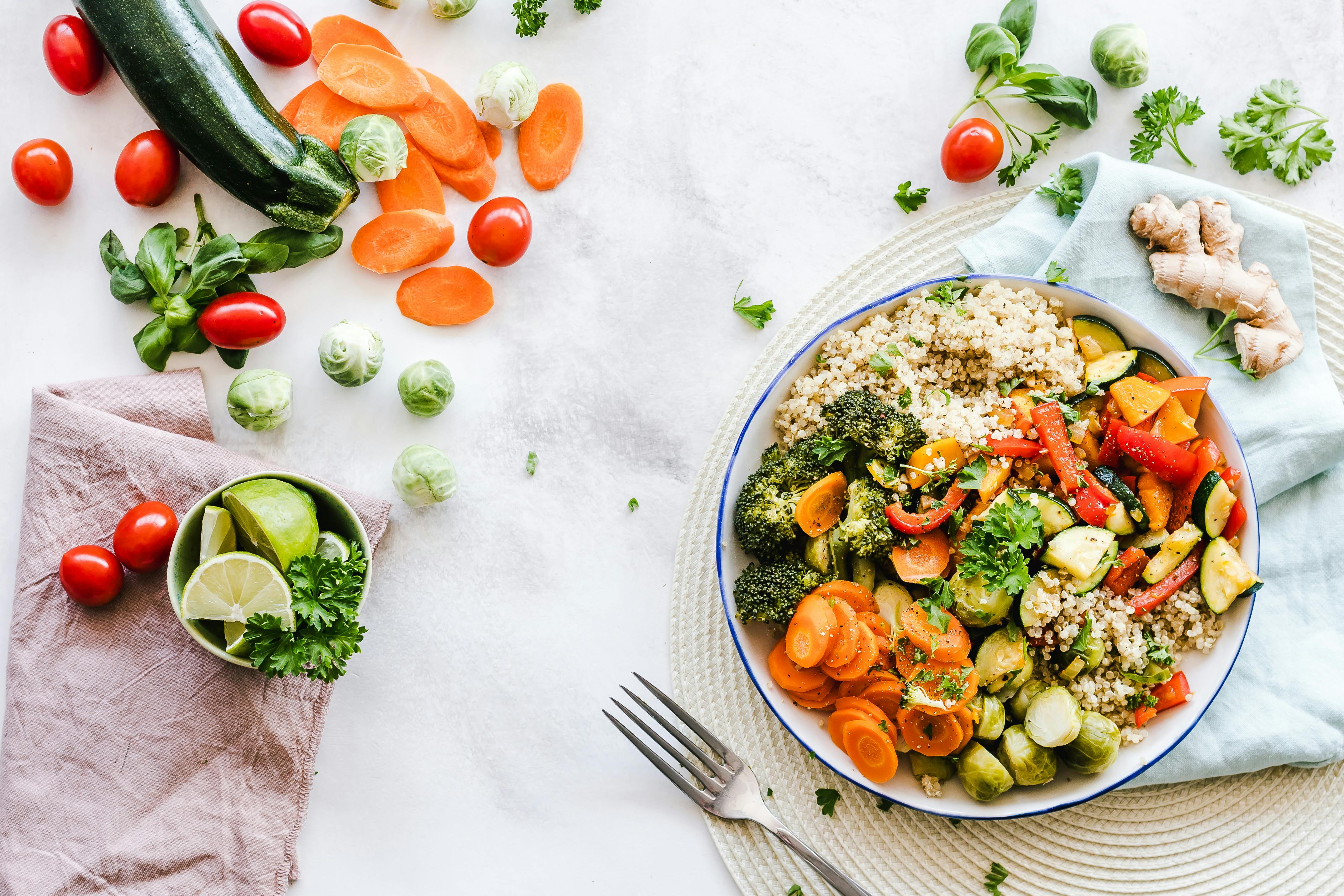
While major cities like Paris and Rome are always culinary delights, many reports suggest that in 2026, travelers are seeking out lesser-known destinations for unique culinary offerings and a more authentic experience. Don’t be afraid to venture off the beaten path!
Key Checkpoints: Essential Food Travel Tips for 2026 📌
You’ve made it this far, which means you’re serious about your next food adventure! To ensure your trip is as delicious and rewarding as possible, here are the absolute must-remember tips for culinary travel in 2026.
-
✅
Embrace Local & Authentic Experiences
Forget tourist traps! Seek out local cooking workshops, market tours, and family-run restaurants. These experiences offer genuine cultural connection and often the most memorable meals. -
✅
Prioritize Sustainability & Ethical Choices
Dine where food is sourced locally, choose eco-certified accommodations, and support small, independent businesses. Your choices make a difference for the planet and local communities. -
✅
Leverage Technology, But Don’t Rely Solely On It
AI can help with planning and translations, but remember that the most authentic connections often come from human interaction and spontaneous discovery.
Smart Food Travel: Practical Tips for a Delicious Journey 👩💼👨💻
Beyond choosing your destination, how you approach your food journey can significantly enhance the experience. Mindful eating and exploration are key. Don’t just eat; learn about the history, ingredients, and methods behind local dishes. This deeper engagement transforms a meal into a cultural lesson.
Consider taking a cooking class! Many destinations, like Lima, Oaxaca, and Sri Lanka, offer hands-on workshops that allow you to learn traditional recipes and take home new skills. This is a fantastic way to immerse yourself in the local food culture.
Real-World Example: A Week in Bangkok’s Food Paradise 📚
Let’s imagine a 7-day culinary adventure in Bangkok, a city renowned for its street food and vibrant flavors. This itinerary focuses on authentic experiences and local immersion.
Traveler’s Situation
- Goal: Experience authentic Thai cuisine and street food culture.
- Budget: Moderate ($40-60/day for food, excluding high-end splurges).
Sample Itinerary & Culinary Highlights
1) Days 1-2: Street Food Crawl in Yaowarat (Chinatown) & Victory Monument. Dive into iconic dishes like Pad Thai at Thip Samai and boat noodles.
2) Day 3: Hands-on Cooking Class & Market Tour. Learn to prepare traditional Thai dishes after sourcing fresh ingredients at a local market.
3) Day 4: Day Trip to Ayutthaya & Floating Market. Explore historical sites and enjoy unique market food experiences.
4) Day 5: Fine Dining Night. Indulge in a Michelin-starred experience like Jay Fai’s crab omelet (book well in advance!).
5) Day 6: Food Tour (Midnight or Old City). Discover hidden culinary gems and local favorites with an expert guide.
6) Day 7: Spa & Farewell Street Food. Relax and enjoy a final round of your favorite street eats before departing.
Expected Outcome
– A deep appreciation for Thai cuisine and its cultural significance.
– Practical cooking skills and a list of new favorite dishes.
This example illustrates how a food-centric itinerary can offer a rich, multi-faceted travel experience, blending culinary exploration with cultural immersion and relaxation. It’s about creating memories that linger long after the last bite.
Wrapping Up: Your Next Culinary Journey Awaits 📝
As we look to 2026, the world of travel is more delicious and diverse than ever. From the ancient foodways of Oaxaca to the innovative kitchens of Venice, there’s a culinary adventure waiting for every palate. Remember to travel with intention, embrace local flavors, and prioritize sustainable choices to make your journey truly impactful.
So, where will your next food-fueled adventure take you? Don’t hesitate to share your dream destinations or ask any questions in the comments below! Happy travels and bon appétit! 😊
Culinary Travel Essentials: Quick Guide
Frequently Asked Questions ❓