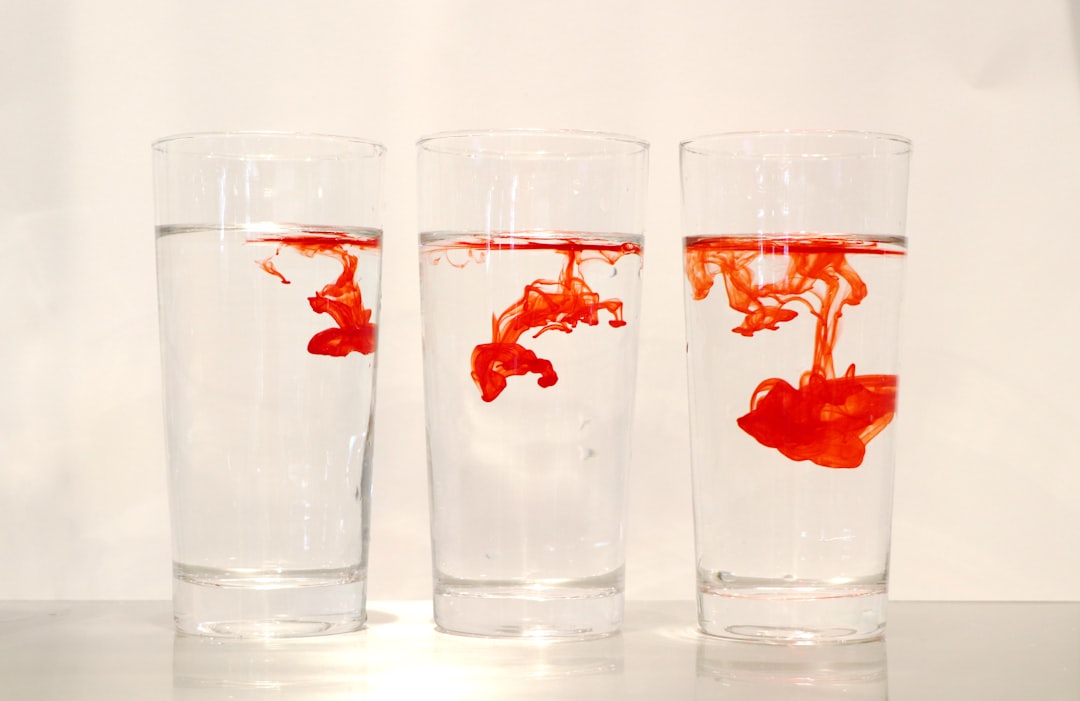
Have you ever been asked your blood type in a casual conversation, only for the other person to immediately offer an assessment of your personality? It’s a common experience, especially in certain cultures, where the idea that our blood type dictates our personality is a widely accepted, and often fun, concept. But is there any truth to this intriguing notion, or is it just a fascinating cultural phenomenon? Let’s dive into the world of blood type personalities and explore what science and society have to say about it! 😊
The Enduring Allure of Blood Type Personalities 🤔
The concept of blood type personality traits, often referred to as “ketsueki-gata” in Japanese, has a surprisingly deep history, particularly in East Asian countries like Japan and South Korea. It gained significant traction in the 1970s, largely popularized by Japanese journalist Masahiko Nomi, whose books detailed the supposed links between ABO blood groups and various character traits. This idea quickly permeated popular culture, influencing everything from dating guides to marketing strategies and even job interviews.
For many, it’s a convenient and entertaining way to categorize and understand people, offering a quick framework for social interactions. It’s often used as a lighthearted icebreaker or a tool for self-reflection, much like horoscopes are in Western cultures. The widespread acceptance, despite a lack of scientific backing, highlights the human desire to find patterns and explanations for individual differences.
The initial theory linking blood types to personality was proposed by Japanese professor Takeji Furukawa in 1927, but it was Nomi’s work decades later that truly brought it into the mainstream consciousness.
The Scientific Lens: Fact vs. Fiction 📊
While culturally pervasive, it’s crucial to address the scientific perspective on blood type personality theories. The overwhelming consensus among medical and psychological communities is that there is no credible scientific evidence to support a correlation between blood type and personality traits. Numerous studies have attempted to find such links, but none have yielded consistent, reproducible results that stand up to rigorous peer review.
Psychologists often attribute the belief in blood type personalities to phenomena like the Barnum effect (also known as the Forer effect), where individuals tend to accept vague and general personality descriptions as highly accurate for themselves. Confirmation bias also plays a role, as people tend to seek out and interpret information in a way that confirms their existing beliefs.
Common Blood Type Personality Associations (Popular Beliefs)
| Blood Type | Commonly Associated Traits | Strengths | Weaknesses |
|---|---|---|---|
| Type A | Organized, cautious, responsible, introverted | Punctual, detail-oriented, calm | Stubborn, anxious, overly sensitive |
| Type B | Creative, passionate, independent, curious | Optimistic, flexible, outgoing | Selfish, irresponsible, forgetful |
| Type O | Confident, ambitious, natural leaders, sociable | Energetic, resilient, honest | Arrogant, insensitive, jealous |
| Type AB | Rational, artistic, enigmatic, diplomatic | Calm, adaptable, empathetic | Indecisive, critical, aloof |
While these associations can be fun for casual conversation, remember that relying on them for serious judgments about individuals can lead to harmful stereotypes and misunderstandings. Personality is far too complex to be reduced to a single biological factor like blood type.
Key Checkpoints: What to Remember! 📌
Have you been following along? This topic can be quite extensive, so let’s quickly recap the most important takeaways. Please keep these three points in mind:
-
✅
Cultural Phenomenon:
Blood type personality theories are a significant cultural phenomenon, particularly in East Asia, influencing social interactions and pop culture. -
✅
Lack of Scientific Basis:
There is no scientific evidence or peer-reviewed research that supports a link between blood type and personality traits. -
✅
Psychological Explanations:
Belief in these theories can often be explained by psychological effects like the Barnum effect and confirmation bias.
Beyond Personality: The True Significance of Blood Types 👩💼👨💻
While the personality aspect of blood types remains in the realm of pseudoscience, the actual medical significance of blood types is profound and life-saving. Blood types are determined by the presence or absence of specific antigens on the surface of red blood cells, and these antigens play a critical role in various biological processes.
The ABO and Rh blood group systems are fundamental for safe blood transfusions and organ transplantation. Matching blood types is essential to prevent severe, potentially fatal, immune reactions. For example, O negative blood is considered the “universal donor” because it can be given to almost anyone, while AB positive individuals are “universal recipients” as they can receive blood from any ABO type.
Beyond transfusions, research continues to explore potential links between blood types and susceptibility to certain diseases, such as some infectious diseases or even cardiovascular conditions. However, these are complex genetic and environmental interactions, not personality determinants.
Real-World Impact: Blood Donation and Global Health 📚
The true power of understanding blood types lies in its application to global health and saving lives. Blood banks around the world constantly rely on voluntary donations to maintain adequate supplies for emergencies, surgeries, and ongoing medical treatments. The need for blood is universal and constant, regardless of the latest personality trend.
Case Study: The Critical Need for Diverse Blood Types
- Situation: A patient with a rare blood disorder requires regular transfusions to survive.
- Challenge: Finding compatible blood donors, especially for less common blood types or those with specific antibodies, can be incredibly difficult.
The Role of Blood Donation
1) Matching: Blood banks meticulously test and match donor blood to recipient needs, ensuring compatibility and preventing adverse reactions.
2) Supply: Consistent donations of all blood types are vital to meet the diverse needs of patients, from trauma victims to cancer patients.
Final Outcome
– Lives Saved: Through the generosity of blood donors and the precision of blood typing, countless lives are saved and improved daily.
– Community Impact: Blood donation fosters a sense of community and direct impact on public health, far outweighing any speculative personality links.
This example underscores that while blood type personality theories offer a fun, albeit unscientific, way to think about ourselves, the real magic of blood types lies in their undeniable medical importance. Your blood type truly matters, not for your character, but for your health and the health of others.

Wrapping Up: Key Takeaways 📝
So, what’s the final verdict on blood type personalities? It’s a fascinating cultural phenomenon that continues to entertain and spark conversations, especially in certain parts of the world. However, from a scientific standpoint, there’s no evidence to back up these claims. Personality is a complex tapestry woven from genetics, environment, experiences, and individual choices, far beyond the scope of a single biological marker.
Instead of focusing on unproven personality links, let’s appreciate the profound and life-saving role that blood types play in medicine and global health. Understanding your blood type is genuinely important for medical reasons, and donating blood is one of the most impactful ways you can contribute to your community. What are your thoughts on blood type personalities? Share them in the comments below! 😊
Blood Type Personality: Quick Summary
Frequently Asked Questions ❓