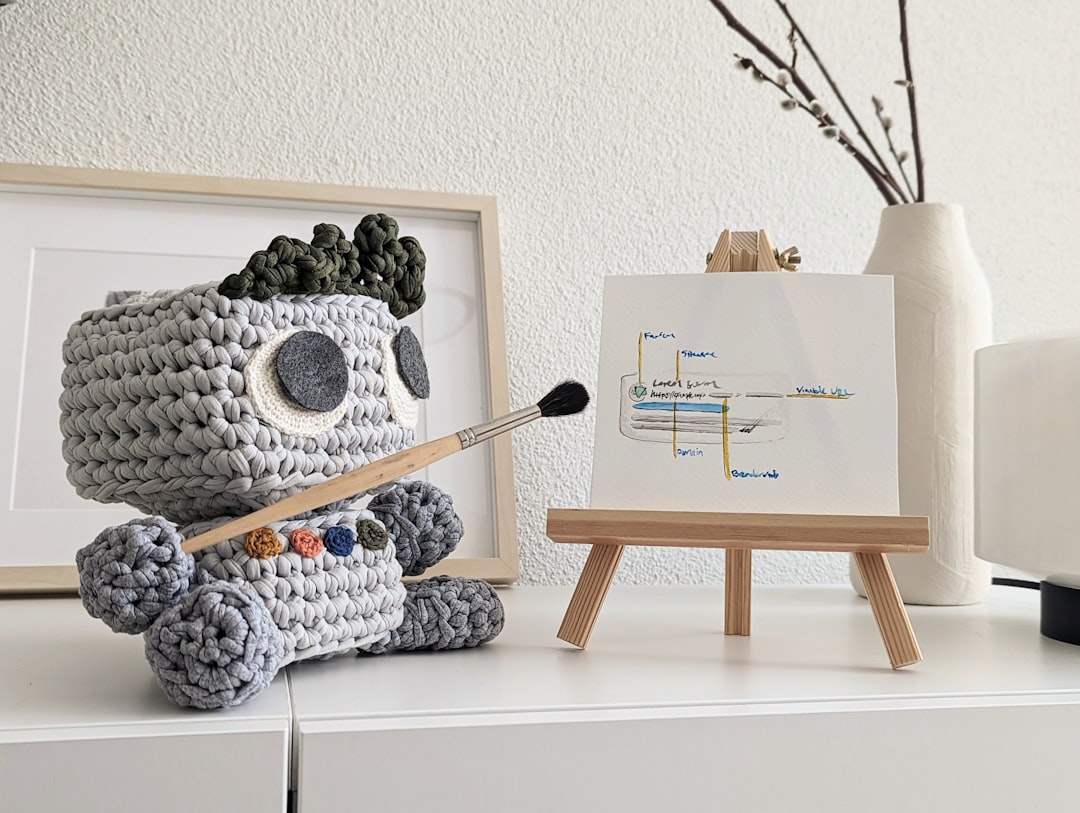
Ever feel like you’re pouring your heart and soul into your blog posts, only for them to disappear into the vast abyss of the internet? You’re not alone. The world of Google SEO is constantly evolving, and what worked last year might not cut it today. But don’t worry, I’ve been there too, scratching my head at fluctuating rankings. This guide is here to demystify the latest Google SEO strategies for your blog in 2026, helping you navigate the changes and finally get your content the attention it deserves! Let’s dive in! 😊
The Evolving Landscape of Google SEO: What’s New in 2026? 🤔
Google’s mission remains the same: to deliver the most relevant and helpful information to its users. However, the methods it uses to achieve this are continuously refined. In 2025, Google continued to emphasize real value and content depth over mere length, integrating quality evaluation into its core systems rather than relying on isolated updates. This means a continuous reassessment of sites, and improvements taking time to reflect.
A major shift we’ve seen is the increased importance of E-E-A-T (Experience, Expertise, Authoritativeness, and Trustworthiness). Google officially added “Experience” to the E-A-T framework in December 2022, recognizing the value of first-hand knowledge. This framework is used by Google’s human quality raters to assess content quality, especially for “Your Money or Your Life” (YMYL) topics that can significantly impact users’ well-being.
Another hot topic is the role of AI-generated content. Google’s stance is clear: AI-generated content is safe for SEO in 2025 and 2026 if used responsibly. The key is intent and quality. Content must be created for users, not just search engines, and should deliver value, accuracy, and originality. Google penalizes low-quality, unedited, or spam-like content, regardless of whether it’s human or AI-generated.
Google’s December 2025 broad core update caused significant volatility, particularly impacting YMYL sites and showing changes in AI Overviews and AI Mode visibility. This reinforces the need for high-quality, user-centric content.
Core Web Vitals and User Experience: Beyond Just Content 📊
While content is king, user experience is the kingdom. Google’s Core Web Vitals (CWV) continue to be a critical set of metrics measuring how users experience your page’s loading performance, responsiveness, and visual stability. As of March 2024, Interaction to Next Paint (INP) officially replaced First Input Delay (FID) as the responsiveness metric.
INP measures the time from when a user starts an interaction (like a click or tap) until the next frame is painted in the browser. A good INP score is 200 milliseconds or less, indicating a seamless and responsive user experience. Neglecting mobile performance is a common mistake, as mobile users often face slower connections and less powerful processors, making optimization even more critical.
Key Core Web Vitals Metrics in 2026
| Metric | Measures | Good Score | Why it Matters |
|---|---|---|---|
| Largest Contentful Paint (LCP) | Loading performance (time for largest content element to appear) | Under 2.5 seconds | First impression, user patience. |
| Interaction to Next Paint (INP) | Responsiveness (time from interaction to visual feedback) | Under 200 milliseconds | User engagement, perceived speed. |
| Cumulative Layout Shift (CLS) | Visual stability (unexpected layout shifts) | Under 0.1 | Prevents frustrating user experiences. |
While Core Web Vitals are a ranking factor, they often act as a tiebreaker between similarly relevant pages. Don’t sacrifice content quality for perfect scores, but strive for both!
Key Checkpoints: Don’t Forget These! 📌
You’ve made it this far! With so much to absorb, let’s quickly recap the absolute essentials. Keep these three points top of mind as you refine your blog’s SEO strategy.
-
✅
Prioritize E-E-A-T:
Demonstrate genuine experience, expertise, authoritativeness, and trustworthiness in all your content. This is crucial for Google’s quality assessment. -
✅
Optimize Core Web Vitals:
Ensure fast loading (LCP), smooth interactivity (INP), and visual stability (CLS) to provide an excellent user experience. -
✅
Focus on User-First Content:
Create original, helpful, and valuable content that genuinely answers user queries, regardless of whether you use AI tools.
Semantic SEO and Topic Clusters: Building Authority 👩💼👨💻
Gone are the days of simply stuffing keywords. Modern SEO, especially in 2026, is about semantic understanding. Google’s algorithms are smarter than ever, evaluating the overall meaning and context of your content, not just individual keywords. This means focusing on comprehensive coverage of a topic, demonstrating your authority.
One powerful strategy is implementing topic clusters. Instead of creating many individual blog posts targeting similar keywords, you create a central “pillar page” that broadly covers a topic, and then link to several “cluster content” pieces that delve deeper into specific sub-topics. This structured approach signals to Google that you are an authoritative source on the broader subject, improving your overall visibility.
Don’t forget the power of internal linking! Strategically linking your pillar page to its cluster content (and vice-versa) helps distribute “link juice” and reinforces the semantic relationship between your articles.
Practical Steps: Optimizing Your Blog Posts for Google 📚
So, what does all this mean for your day-to-day blogging? It means a more holistic approach to optimization. Here’s a practical checklist to ensure your blog posts are ready for Google in 2026:

Blog Post Optimization Checklist for 2026
- Modern Keyword Research: Go beyond single keywords. Research long-tail keywords and conversational phrases that users might type into AI search interfaces like Google’s Search Generative Experience (SGE).
- Compelling Titles & Meta Descriptions: Craft engaging titles (H1) and meta descriptions that accurately reflect your content and entice clicks. Remember, Google might use AI to summarize content, so clarity is key.
- Structured Content with Headings: Use H2, H3, and H4 tags to break down your content into easily digestible sections. This improves readability and helps Google understand your content’s hierarchy.
- High-Quality, Original Content: Focus on providing unique insights, real-world experience, and comprehensive answers to user questions. Avoid generic or superficial content, especially if using AI tools.
- Image Optimization: Use relevant images with descriptive alt text. Ensure images are compressed for fast loading without sacrificing quality.
- Internal & External Linking: Link to other relevant posts on your blog (internal linking) and to authoritative external sources to support your claims and build credibility.
- Mobile-First Design: Ensure your blog is fully responsive and offers an excellent experience on all devices, especially mobile.
- Schema Markup: Implement structured data (like FAQ schema) to help Google understand your content better and potentially display rich results.
Understanding the Impact of AI Overviews (SGE)
Google’s AI Overviews (formerly Search Generative Experience or SGE) are becoming more prevalent, providing AI-generated summaries at the top of search results. This could lead to fewer clicks on traditional organic results for some informational queries. To adapt, focus on creating content that offers unique value, deep insights, and a strong brand voice that AI summaries can’t fully replicate.
The Future is Multimodal Search
Beyond text, Google is increasingly incorporating visual and social platforms into its search results. This means optimizing for video content (YouTube), images, and even social media presence is becoming crucial for comprehensive “Search Everywhere Optimization.”
By focusing on these practical steps, you’re not just chasing algorithms; you’re building a better, more valuable experience for your readers, which is exactly what Google wants to reward.
Wrapping Up: Your Blog’s Future in Google Search 📝
The world of Google SEO for blogs in 2026 is dynamic, challenging, but ultimately rewarding for those who prioritize quality and user experience. We’ve seen that E-E-A-T is more critical than ever, Core Web Vitals (with INP at the forefront) demand our attention, and the rise of AI in search necessitates a focus on unique, in-depth, and human-centric content. The “old way” of SEO, trying to trick a machine, is dead; the “new way” is about transparency and precision.
Don’t be afraid of these changes; embrace them as opportunities to create even better content for your audience. Stay agile, continuously learn, and always put your readers first. By doing so, you’ll not only satisfy Google’s algorithms but also build a loyal readership that keeps coming back for more. Got any burning questions or your own SEO tips to share? Drop them in the comments below – I’d love to hear from you! 😊
2026 Google SEO Essentials
Google rewards helpful content, regardless of creation method.
Frequently Asked Questions ❓