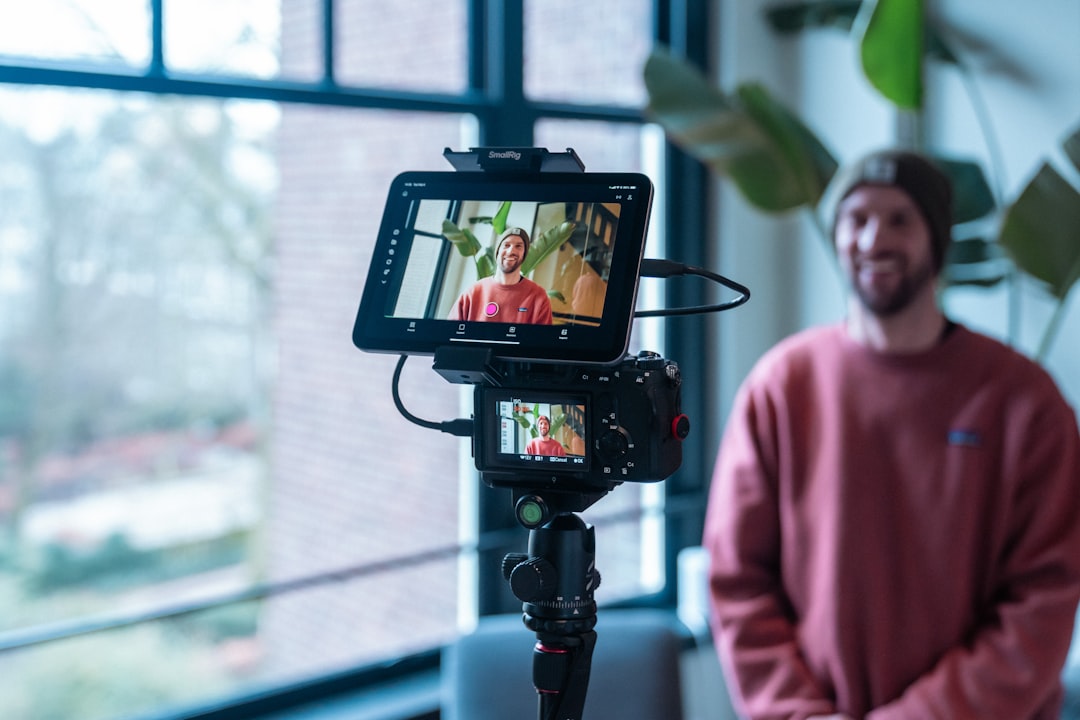
Have you ever scrolled through your feed, seeing creators effortlessly connect with their audience, and thought, “I could do that”? The world of social media influencing is more dynamic and exciting than ever, but it’s also constantly evolving. In 2026, simply posting pretty pictures or viral videos isn’t enough. It’s about strategy, authenticity, and understanding the shifting tides of the creator economy. If you’re dreaming of turning your passion into influence, you’re in the right place. Let’s dive into what it truly takes to become a successful influencer today! 😊
The Booming Creator Economy: What the Numbers Say 🤔
The influencer marketing industry isn’t just growing; it’s exploding. By 2026, the global market is projected to surpass an astounding $40 billion. This massive growth signifies incredible opportunities for new and established creators alike. Brands are increasingly recognizing the power of authentic voices, with 86% of consumers making at least one influencer-inspired purchase annually.
However, this growth also means a more competitive landscape. Brands are becoming savvier, shifting from experimental spending to ROI-focused, performance-driven campaigns. This means creators need to demonstrate real value, not just vanity metrics. The average return on investment (ROI) for influencer marketing is a robust $5.78 for every dollar spent, with top campaigns reaching an impressive $11-$18 ROI.
The creator economy is professionalizing. Brands are investing in deeper, long-term partnerships, and creators are increasingly operating like business owners, carefully choosing collaborations that align with their brand and values.
Platform Power Plays & Content Trends 📊
The social media landscape is constantly shifting, and what worked last year might not be as effective today. Understanding where your audience is and what content resonates is crucial. While TikTok remains popular, TikTok-specific campaigns saw a significant 48% year-over-year drop in 2025, indicating a shift towards multi-platform strategies. Instagram (57% preference) and YouTube (37%) are strong contenders, with Instagram’s ad revenue projected to hit $67.8 billion in 2025.
A key trend for 2026 is the rise of User-Generated Content (UGC) as a core strategy. UGC campaigns more than doubled year-over-year and now account for 35% of all collaborations. This highlights the power of authentic, relatable content created by everyday users. Additionally, while short-form content like Reels and Shorts drives reach, long-form content on platforms like YouTube is essential for building trust and credibility.
Influencer Tiers & Engagement Rates (2025-2026 Projections)
| Category | Follower Range | Average Engagement Rate | Notes |
|---|---|---|---|
| Nano-influencers | 1,000 – 4,999 | 2.71% | Highest engagement, 75.9% of Instagram’s influencer base. |
| Micro-influencers | 5,000 – 20,000 | ~1.8% | Strong engagement, often preferred by brands for niche audiences. |
| Macro-influencers | 100,000 – 1 Million | Lower than micro/nano | Broader reach, but often lower engagement rates. |
| Mega-influencers/Celebrities | 1 Million+ | Varies widely | Massive reach, but can be less authentic. |
While TikTok is still a major player, relying solely on one platform can be risky. Diversify your content strategy across multiple platforms to maximize reach and mitigate potential platform-specific challenges.
Key Checkpoints: What You Absolutely Need to Remember! 📌
Made it this far? With so much information, it’s easy to forget the essentials. Let’s recap the three most important takeaways. Make sure to keep these in mind!
-
✅
Niche Down for Higher Engagement
Focus on expertise-driven niches (e.g., education, specific hobbies) rather than broad categories to attract a highly engaged and loyal audience. -
✅
Embrace Multi-Platform & UGC Strategies
Don’t put all your eggs in one basket! Diversify your content across platforms and prioritize authentic User-Generated Content to build trust and reach. -
✅
Leverage AI Tools Smartly
Utilize AI for content ideas, scheduling, and audience analysis to optimize your workflow, but remember that human authenticity remains paramount.
The Rise of AI and Professionalization 👩💼👨💻
Artificial Intelligence (AI) is no longer a futuristic concept; it’s an integral part of the influencer landscape. Over 66% of marketers report improved campaign results through AI implementation, with 60.2% actively using AI for influencer identification and optimization. AI can help with everything from content generation ideas and scheduling to audience analysis and trend prediction. However, it’s crucial to remember that human authenticity remains key. While virtual and synthetic influencers are gaining traction, consumers still find them less authentic than human creators.
The creator economy is maturing. This means creators are increasingly seen as strategic partners, not just advertisers. Brands are seeking long-term collaborations and even offering creators roles within their companies. Building a strong personal brand and professional network is more important than ever.
Real-World Example: The Niche Creator’s Success Story 📚
Let’s look at “TechSavvySarah,” a micro-influencer who started her journey in late 2024. Sarah focused on reviewing niche smart home gadgets, a topic she was genuinely passionate about. Instead of chasing broad trends, she honed in on a specific, engaged audience.
Sarah’s Situation
- **Platform Focus:** Primarily YouTube (long-form reviews) and Instagram (short-form demos, behind-the-scenes).
- **Starting Audience (Late 2024):** ~4,000 YouTube subscribers, ~8,000 Instagram followers.
- **Content Strategy:** Detailed, honest reviews; practical “how-to” guides; engaging Q&A sessions.
Growth Process (2025-2026)
1) **Niche Authority:** Sarah consistently provided in-depth, unbiased reviews, establishing herself as a trusted expert in smart home tech. This attracted a highly engaged audience looking for specific product advice.
2) **UGC Integration:** She encouraged her audience to share their smart home setups and product experiences, often featuring their content (with permission) on her stories, fostering a strong community.
3) **AI for Efficiency:** Sarah used AI tools to analyze peak audience engagement times and suggest relevant keywords for her video titles and descriptions, optimizing her reach.
Final Results (Early 2026)
– **Audience Growth:** ~45,000 YouTube subscribers, ~60,000 Instagram followers (solid micro-influencer status).
– **Brand Partnerships:** Secured long-term partnerships with three major smart home brands, including gifted products and paid collaborations, due to her high engagement and niche expertise.
Sarah’s success demonstrates that focusing on a specific niche, providing genuine value, leveraging multiple platforms, and embracing new technologies like AI can lead to significant growth and lucrative opportunities in the evolving influencer space.
Wrapping Up: Your Influencer Journey Awaits 📝
The journey to becoming a successful social media influencer in 2026 is an exciting one, filled with opportunities for those who are strategic, authentic, and adaptable. Remember, it’s not just about follower counts; it’s about building a genuine community, providing value, and understanding the ever-changing digital landscape. Embrace the trends, leverage the tools, and most importantly, stay true to yourself.
What are your biggest challenges or aspirations in becoming an influencer? Share your thoughts in the comments below! 😊
Influencer Success in 2026: Key Takeaways
Frequently Asked Questions ❓