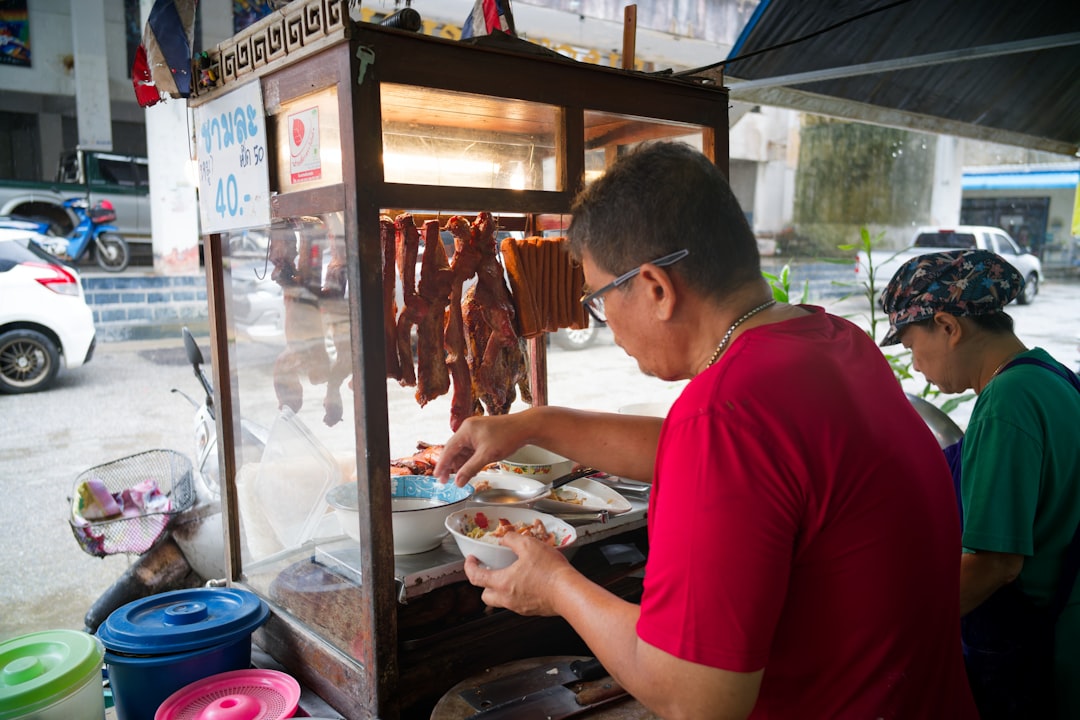
Have you ever planned an entire trip around what you’re going to eat? If so, you’re definitely not alone! Culinary tourism isn’t just a niche anymore; it’s a driving force behind global travel. As we dive deeper into 2026, travelers are increasingly prioritizing unique eating and drinking experiences, seeking to immerse themselves in local cultures through their cuisine. I mean, who wouldn’t want to explore a new city one delicious bite at a time? Let’s embark on a flavorful journey together and uncover the best places to tantalize your taste buds this year! 😊
The Rise of Culinary Tourism: What’s Cooking in 2026? 🤔
The culinary tourism market is experiencing robust growth, projected to expand significantly in the coming years. Valued at USD 1,009.00 million in 2024, it’s forecast to reach USD 3,766.67 million by 2032, exhibiting an impressive Compound Annual Growth Rate (CAGR) of 18.12% over the forecast period. This isn’t just about fine dining anymore; it’s about authentic experiences.
According to the 2026 TravelBoom Leisure Travel Study, nearly 80% of travelers consider food either important or very important when choosing a destination. What’s truly fascinating is that 66% are most excited about street food, and 64% prefer unique, local experiences over Michelin-star restaurants. This shift highlights a desire for genuine connection with local culture through its food, moving away from predictable, white-tablecloth experiences towards more participatory and immersive culinary adventures.
Food travel in 2026 is less about chasing luxury and more about getting involved in how meals come together, whether it’s foraging, cooking alongside locals, or eating where the food originates.
Top Foodie Destinations to Explore in 2026 📊
For travelers whose itineraries revolve around what’s on the plate, 2026 is shaping up to be an incredibly fruitful year. The Michelin Guide has even released its annual list of “Best Places to Travel in 2026 for Food Lovers,” highlighting 16 destinations globally. Let’s dive into some of the most exciting culinary hotspots:
Global Culinary Powerhouses & Emerging Stars
| City/Region | Key Culinary Features | Must-Try Dishes | Average Dining Cost (USD/meal) |
|---|---|---|---|
| Tokyo, Japan | Most Michelin stars globally, vibrant street food markets, depachika (food halls). | Sushi, Ramen, Tempura, Kaiseki. | $10-$500 |
| Bangkok, Thailand | Street food paradise, numerous Michelin-starred spots, floating markets. | Pad Thai, Som Tam, Mango Sticky Rice, Green Curry. | $2-$200 |
| Mexico City, Mexico | Dynamic food scene, taquerias, high-end restaurants, market tours. | Tacos al Pastor, Mole, Tamales, Tlacoyos. | $5-$300 |
| Venice, Italy | Culinary renaissance, luxury hotels, lagoon cuisine. | Seafood, traditional Venetian dishes. | Varies widely |
| Cappadocia, Türkiye | Regional Anatolian recipes, farm-to-table dining in cave restaurants. | Local stews, pottery kebab. | Varies widely |
Beyond these, destinations like Kyoto, Japan, is experiencing a major renaissance, offering hands-on cultural experiences like tea ceremonies alongside its incredible food scene. Saudi Arabia, with cities like Riyadh and Jeddah, is also making a significant mark on the global food map, blending traditional Arabic fare with international influences.
While Saudi Arabia’s food scene is booming, it’s important to note that alcohol is not available in the country. This might be a consideration for some travelers, though it’s also seen as an incentive for a growing demographic of non-drinking travelers.
Key Checkpoints: Don’t Miss These Culinary Travel Tips! 📌
Made it this far? Awesome! With so much delicious information, it’s easy to forget the essentials. Here are three crucial tips to keep in mind for your next food-focused adventure:
-
✅
Embrace Local & Authentic Experiences
Forget the tourist traps! Seek out local markets, street food vendors, and cooking classes. Travelers in 2026 are prioritizing authentic experiences, with 66% excited about street food. -
✅
Prioritize Sustainable Eating Practices
Support local farmers, choose seasonal ingredients, and reduce waste. Look for restaurants that highlight local sourcing and sustainable certifications. -
✅
Plan Ahead for Popular Spots & Unique Activities
Some of the most memorable food experiences, like specific cooking classes or popular restaurants, require advance booking. Don’t miss out on those bucket-list meals!
Beyond the Plate: Immersive Culinary Experiences 👩💼👨💻
Culinary tourism in 2026 is about more than just eating; it’s about deeply engaging with the food culture. Travelers are seeking immersive, hands-on experiences that truly anchor their trip. This includes:
- Local Food and Market Tours: Explore bustling markets, learn about regional ingredients, and sample local delicacies.
- Cooking Classes with Regional Chefs: Get your hands dirty and learn to prepare traditional dishes. This is a fantastic way to bring a piece of your trip home with you!
- Farm-to-Table Dining Experiences: Connect with the source of your food and enjoy meals prepared with the freshest local produce.
- Food Festivals and Culinary Trails: These are growing rapidly and offer unique opportunities to dive into a destination’s food scene.
- Dining in Local Homes: Some platforms allow you to book home-cooked meals or cooking classes with locals, offering an unparalleled authentic experience.
Sampling local food is considered the best way to understand a culture by 68% of travelers, and grocery shopping makes 54% feel more like a local than a tourist. Don’t underestimate the power of everyday food experiences!
Practical Example: A Foodie’s Week in Bangkok 📚
Let’s imagine you’re planning a culinary adventure to Bangkok, a city renowned for its incredible street food and diverse flavors. Here’s how you might structure your week to maximize your foodie experience:
Traveler’s Culinary Itinerary: Bangkok
- Destination: Bangkok, Thailand
- Focus: Street food, cooking classes, local markets
Suggested Daily Activities
1) Day 1-2: Street Food Crawl – Dive into the vibrant street food scenes of Yaowarat (Chinatown) and Victory Monument. Embrace the chaos and try everything from Pad Thai to boat noodles.
2) Day 3: Cooking Class & Market Tour – Start your day with a guided market tour to learn about local ingredients, then participate in a hands-on cooking class to master a few Thai dishes.
3) Day 4: Floating Market Day Trip – Experience the unique charm of a floating market, like those near Ayutthaya, for a different perspective on local commerce and food.
4) Day 5: Fine Dining Night – Indulge in a Michelin-starred experience at one of Bangkok’s top restaurants, like Gaggan or Nahm, for an elevated culinary journey.
5) Day 6: Themed Food Tour – Join a specialized food tour, perhaps a midnight street food tour or an Old City culinary exploration, to discover hidden gems.
6) Day 7: Relaxation & Farewell Bites – Enjoy a relaxing spa day, followed by a final street food farewell to your favorite discoveries.
This example shows how you can blend popular attractions with deep dives into the local food scene, ensuring a truly memorable and delicious trip. Remember to pack loose-fitting pants and antacids – you’ll be eating a lot!

Wrapping Up: Your Culinary Journey Awaits! 📝
As you can see, the world of culinary travel in 2026 is more exciting and diverse than ever before. From the bustling street food stalls of Bangkok to the refined Michelin-starred restaurants of Tokyo, and the emerging scenes in places like Saudi Arabia, there’s a feast for every palate and an adventure for every foodie.
Remember to embrace authenticity, prioritize sustainable choices, and plan ahead to make the most of your gastronomic explorations. Food is truly a gateway to culture, and by savoring local flavors, you’re not just feeding your stomach, but also enriching your soul. So, where will your taste buds take you next? If you have any questions or your own favorite food travel tips, please share them in the comments below! Happy travels and bon appétit! 😊
Culinary Travel Essentials for 2026
Frequently Asked Questions ❓