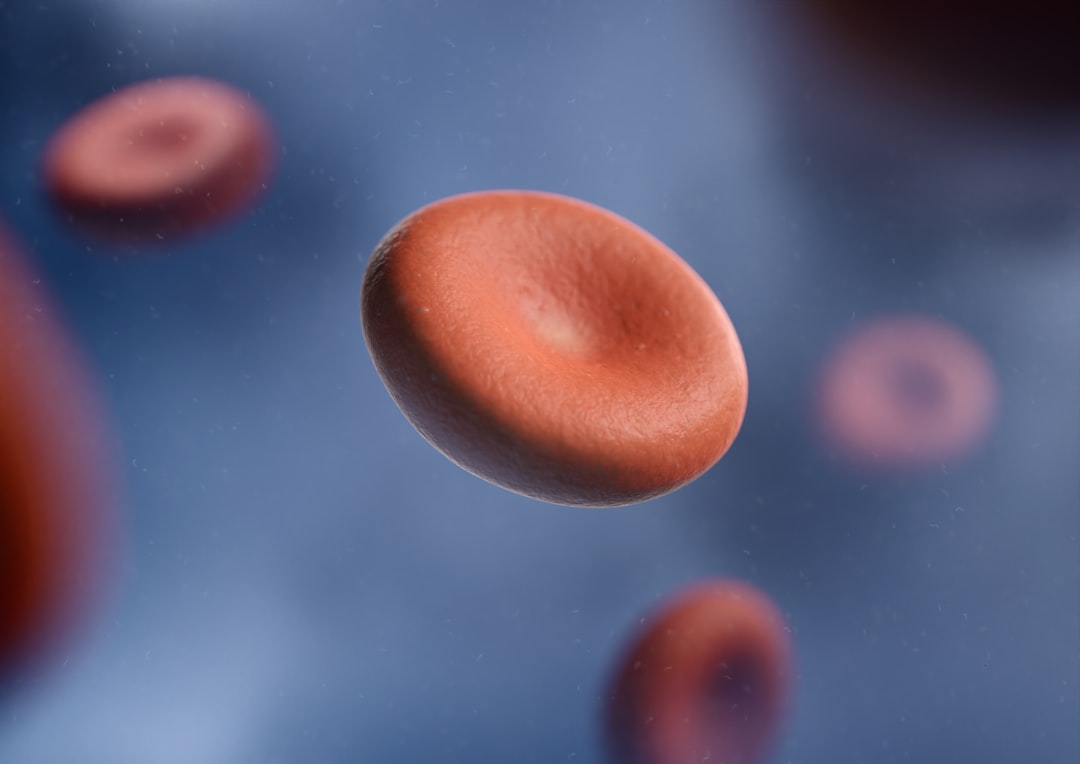
Have you ever wondered if your blood type dictates your personality or even your romantic compatibility? It’s a concept that has captivated many, particularly in certain cultures, leading to countless discussions and even dating guides based on A, B, O, and AB types. While it might sound like a fun way to understand ourselves and others, the truth is a bit more complex. Let’s explore the intriguing world of blood type personalities and compatibility, separating popular belief from scientific fact. 😊
The Enduring Appeal of Blood Type Personalities 🤔
The idea that blood types influence personality, often referred to as “Ketsueki-gata” in Japan, gained significant traction in the 1970s. It became a widespread cultural phenomenon, influencing everything from dating to job interviews. This belief system assigns distinct personality traits to each of the four main ABO blood types, offering a seemingly simple framework for understanding human behavior. It’s a concept that, for many, provides a sense of identity and a fun lens through which to view social interactions.
Even today, you’ll find quizzes, books, and casual conversations revolving around these perceived traits. It’s a testament to our innate desire to categorize and understand ourselves and those around us. But what exactly are these widely attributed traits?
While popular, the concept of blood type personality originated from a 1930s Japanese professor, Takeji Furukawa, and lacks scientific validation. It’s primarily a cultural belief rather than a scientific theory.
Decoding the “Traits”: What Each Blood Type is Said to Represent 📊
Let’s dive into the commonly associated personality traits for each blood type. Remember, these are based on popular cultural beliefs, not scientific evidence. It’s all in good fun!
Common Blood Type Personality Associations
| Blood Type | Positive Traits | Negative Traits | Compatibility (Popular Belief) |
|---|---|---|---|
| Type A | Organized, responsible, sensitive, patient | Anxious, stubborn, overly cautious | Best with A, AB |
| Type B | Creative, passionate, independent, strong-willed | Selfish, irresponsible, forgetful | Best with B, AB |
| Type O | Confident, ambitious, natural leader, outgoing | Arrogant, insensitive, vain | Best with O, AB |
| Type AB | Rational, calm, artistic, mysterious | Critical, indecisive, aloof | Best with A, B, O, AB (Universal) |
While these traits are widely discussed in popular culture, there is no scientific evidence to support any correlation between blood type and personality or compatibility. Medical science recognizes blood types for their critical role in transfusions and disease susceptibility, not behavioral patterns.
Key Takeaways: What to Remember! 📌
So, you’ve journeyed through the fascinating world of blood type personalities. It’s a lot to take in, and it’s easy to get lost in the details. Here are three crucial points to keep in mind:
-
✅
Cultural Phenomenon, Not Science
The belief in blood type personalities is a significant cultural trend, particularly in East Asia, but it lacks any scientific backing or empirical evidence. -
✅
No Proven Link to Compatibility
There’s no scientific basis to suggest that blood types determine romantic or social compatibility. Real compatibility stems from shared values and communication. -
✅
Enjoy it as Entertainment
While not factual, blood type personality discussions can be a fun and engaging way to break the ice and explore self-perception, as long as you don’t take them too seriously.
The Science (or Lack Thereof) Behind Blood Type Compatibility 👩💼👨💻
Despite its popularity, the scientific community widely regards blood type personality theory as pseudoscience. Numerous studies have failed to find any statistically significant correlation between ABO blood types and personality traits or behavioral patterns. The American Red Cross and other medical institutions emphasize that blood types are crucial for medical reasons, such as blood transfusions and understanding genetic predispositions to certain diseases, but they have no bearing on psychological characteristics.
The persistence of this belief can be attributed to several factors, including confirmation bias (where people tend to notice and remember information that confirms their existing beliefs) and the Barnum effect (the tendency to accept vague and general personality descriptions as uniquely applicable to oneself). It’s a classic example of how cultural narratives can take root and thrive, even without empirical support.
While blood types are genetically determined, the genes responsible for blood type antigens are distinct from those that influence complex personality traits. Personality is shaped by a myriad of factors, including genetics, environment, upbringing, and life experiences.
Beyond the Myths: What Truly Influences Compatibility 📚
If blood types don’t determine compatibility, what does? Real compatibility in relationships, whether romantic or platonic, is built on a foundation of shared values, effective communication, mutual respect, and emotional intelligence. These are the elements that foster deep connections and understanding, far beyond any arbitrary categorization.
Factors for Genuine Compatibility
- Shared Values: Aligning on core beliefs and life goals.
- Communication Skills: Open, honest, and empathetic dialogue.
- Emotional Intelligence: Understanding and managing one’s own emotions and those of others.
- Mutual Respect: Valuing each other’s opinions, boundaries, and individuality.
- Flexibility & Compromise: Willingness to adapt and find common ground.
The “Compatibility Equation”
1) Self-awareness + Empathy = Better Understanding
2) Shared Experiences + Mutual Support = Stronger Bonds
Final Result
– True compatibility: A dynamic, evolving connection built on genuine effort and understanding.
– Blood type compatibility: A fun, but ultimately unfounded, cultural pastime.
Focusing on these tangible aspects of human connection will lead to more fulfilling and lasting relationships than relying on pseudoscientific notions of blood type compatibility. It’s about truly getting to know someone, not just their blood type.
Wrapping Up: Key Insights 📝
So, while the idea of blood type personalities and compatibility is a fascinating cultural artifact, it’s essential to approach it with a critical eye. It offers a playful way to discuss human nature, but it’s crucial to remember that it lacks any scientific basis.
Ultimately, understanding and connecting with others is a rich, complex process that goes far beyond what flows through our veins. It’s about empathy, communication, and shared experiences. What are your thoughts on blood type personalities? Share your experiences in the comments below! 😊