Have you ever planned an entire trip around a single dish? Or found yourself dreaming of vibrant street food markets in far-off lands? If so, you’re not alone! Food travel, or culinary tourism, has exploded into a global phenomenon, and in 2026, it’s more exciting than ever. We’re talking about more than just eating; it’s about immersing yourself in culture, connecting with locals, and creating memories that linger long after the last bite. Let’s dive into the delicious world of food travel and uncover how you can make your next trip a truly epicurean adventure! 😊
The Global Appetite: Latest Travel & Culinary Trends for 2026 🤔
The travel landscape is constantly evolving, and 2026 is shaping up to be a year of profound shifts, especially for food lovers. Travelers are no longer content with just sightseeing; they’re seeking deeper, more authentic experiences, and food is often at the heart of that quest. This “experiential travel” trend is leading the way, with people choosing trips that offer cultural connection and fewer crowds.
One of the biggest drivers in 2026 is the surge in regenerative tourism, where travelers aim to leave destinations healthier than they were before. This includes supporting local communities and low-impact travel. This mindset extends directly to food, with a growing emphasis on locally sourced ingredients and dining experiences that preserve local traditions.
The global culinary tourism market was valued at an astonishing USD 1.09 trillion in 2024 and is projected to reach USD 4.21 trillion by 2033, growing at a CAGR of 14.46% from 2025-2033. Asia-Pacific currently dominates this market, holding over 43.1% of the share in 2024.
Top Culinary Destinations to Savor in 2026 📊
The Michelin Guide has released its annual list of “Best Places to Travel in 2026 for Food Lovers,” highlighting 16 destinations that promise memorable meals and rich culinary experiences. Here are some of the standout regions and cities making waves in the food travel scene:
- Europe’s Enduring Charm: Italy continues to be a culinary powerhouse, with Venice, the Dolomites, and the Amalfi Coast receiving special attention. Venice is experiencing a hotel renaissance, reshaping its dining scene, while the Dolomites are gaining global attention as hosts of the Winter Olympic Games, bringing ambitious alpine cooking to the forefront. The Amalfi Coast’s classic Mediterranean flavors are being rediscovered. Czechia and Wrocław, Poland, are also emerging with vibrant food scenes, reinventing local traditions with a modern twist.
- Asia’s Culinary Hotspots: Asia-Pacific leads the culinary tourism market, driven by a desire for cultural exploration and authentic experiences. Destinations like Cappadocia, Turkey, are attracting food lovers with regional Anatolian recipes and farm-to-table cooking in unique cave restaurants. China’s Jiangsu province is praised for its refined yet affordable cuisine, and the Philippines, particularly Manila and Cebu, are seeing a new generation of chefs blending traditional techniques with international influences. Tokyo, Japan, remains a global standard for eating well, with its obsessive attention to craft, from Michelin-starred restaurants to incredible street food. Bangkok, Thailand, is celebrated as a street food paradise, offering authentic and affordable meals.
- The Americas’ Diverse Flavors: In North America, Vancouver, Canada, is stepping onto the global stage as a 2026 World Cup host, showcasing its pristine seafood, Asian influences, and growing Indigenous cuisine. The US also features prominently, with Boston being named a top city for foodies due to its global flavors, innovative restaurant scene, and iconic seafood. Route 66 and the American South are also seeing a resurgence in popularity for their classic American fare. Mexico City, Mexico, is recognized for its exciting food scene, from tacos al pastor to mole.
Culinary Tourism Market Snapshot (2025-2034)
| Attribute | Value (USD) | CAGR (2025-2034) | Dominant Region (2025) |
|---|---|---|---|
| Market Size (2025) | $1.248.2 Billion | 14.17% | Asia Pacific (43.1%) |
| Projected Market Size (2034) | $4.258.3 Billion | – | – |
| Market Size (2024) | $1.09 Trillion | 14.46% (2025-2033) | Asia Pacific (43.1%) |
| Projected Market Size (2033) | $4.21 Trillion | – | – |
While culinary tourism is booming, remember that affluent food travelers often spend 2-4 times more than regular tourists. This means popular destinations can see higher prices and increased competition for reservations. Booking early is key for securing the best experiences.
Key Checkpoints: Don’t Miss These Food Travel Tips! 📌
You’ve made it this far, and I know there’s a lot to digest! So, let’s quickly recap the absolute essentials for your next food-focused adventure. Keep these three tips in mind, and you’ll be well on your way to a truly delicious journey.
-
✅
Embrace Local & Authentic Experiences
Prioritize local eateries, cooking classes, and food tours to truly immerse yourself in the culture. This is where the magic happens! -
✅
Plan Ahead, Especially for Popular Spots
Booking early for restaurants and experiences is crucial, especially in high-demand culinary destinations. -
✅
Be Adventurous & Sustainable
Step out of your comfort zone with new flavors and actively support local, sustainable food systems.
Essential Food Travel Tips for the Modern Explorer 👩💼👨💻
Now that we’ve covered where to go, let’s talk about how to make the most of your culinary journey. These tips will help you navigate new food scenes like a seasoned pro, ensuring every meal is an adventure.
- Research Local Festivals and Food Events: Before you go, look up any local food holidays, wine festivals, or other culinary events happening during your visit. These can be fantastic opportunities to experience a wide variety of local foods in one place.
- Join Food Tours and Cooking Classes: Participating in a food tour led by a local guide is one of the best ways to dive deep into a destination’s culinary traditions. Cooking classes offer hands-on engagement, allowing you to learn traditional techniques and even recreate authentic dishes back home.
- Ask Locals for Recommendations: Don’t be shy! Locals often know the best hidden gems and authentic eateries that might not be in guidebooks.
- Be Adventurous with Your Palate: Try new dishes, even if they seem unfamiliar. Some of the most memorable food experiences come from stepping outside your comfort zone.
- Learn Basic Dining Etiquette and Phrases: A little effort goes a long way. Knowing a few local phrases and understanding dining customs can enhance your experience and show respect for the culture.
- Prioritize Sustainable Choices: Opt for locally owned restaurants and businesses, choose seasonal dishes, and reduce waste. This not only supports the local economy but also minimizes your environmental impact.

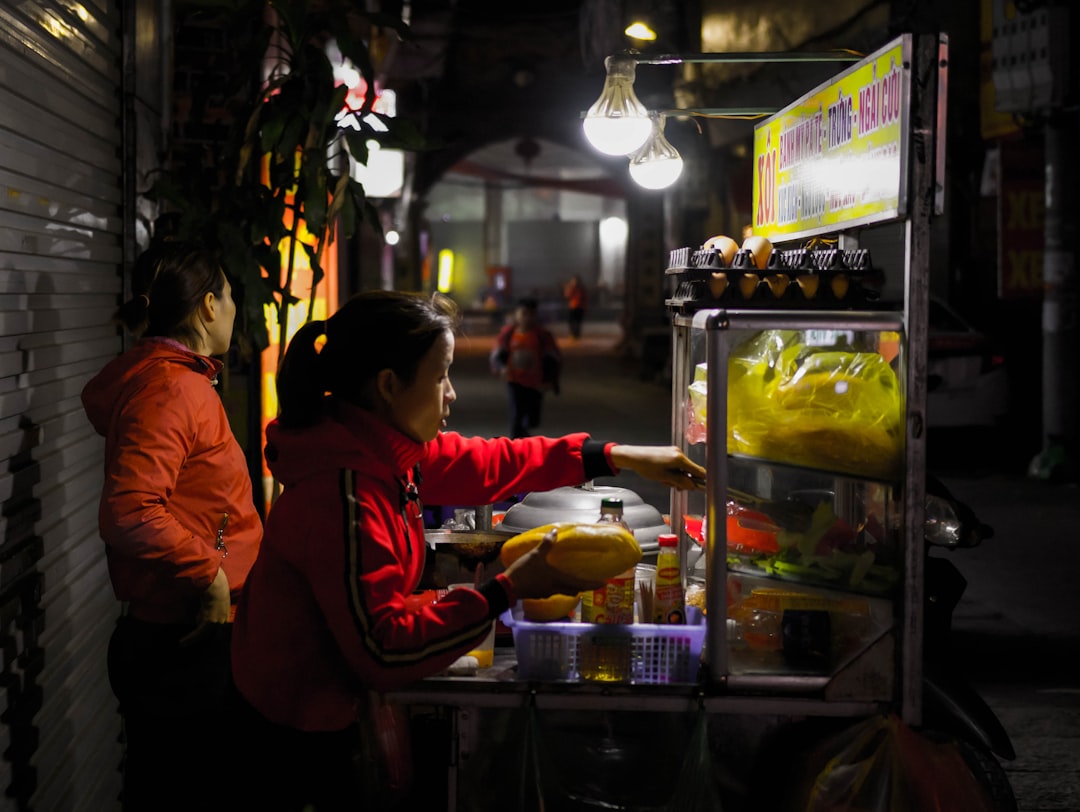
A bustling street food market, a true heart of culinary exploration.
Social media plays a huge role in shaping travel behaviors, with unique and local cuisines being highly shareable content. Use platforms like Instagram and TikTok for inspiration, but always cross-reference with local recommendations for the most authentic experiences.
Real-World Example: A Week of Gastronomy in Bangkok 📚
Let’s imagine a hypothetical week-long food adventure in Bangkok, a city renowned as a street food capital.
Traveler’s Situation: Sarah, a Foodie from New York
- Goal: Experience authentic Thai cuisine, learn local cooking techniques, and explore vibrant food markets.
- Budget: Mid-range, willing to splurge on unique culinary experiences.
- Travel Style: Independent, but open to guided tours for deeper immersion.
Culinary Journey Breakdown
1) Day 1-2: Street Food Immersion. Sarah starts with a guided street food tour in Chinatown, sampling everything from Pad Thai to mango sticky rice. She asks the guide for recommendations for local noodle stalls and tries boat noodles at Victory Monument.
2) Day 3-4: Cooking & Culture. She books a half-day cooking class, learning to prepare classic Thai dishes like green curry and Tom Yum Goong, including a market visit to understand local ingredients. In the evenings, she explores local eateries recommended by her cooking instructor.
3) Day 5-7: Diverse Dining & Exploration. Sarah ventures to a floating market for a unique culinary experience and dedicates an evening to a higher-end restaurant in a neighborhood like Sathon, experiencing modern Thai cuisine. She also tries local beverages and keeps a journal of her favorite spots.
Final Outcome
– Authentic Experience: Sarah gained a deep understanding of Thai food culture, far beyond what she could have found in a typical tourist restaurant.
– New Skills: She returned home with new cooking skills and recipes, extending her travel experience.
This example shows how a combination of research, local engagement, and a willingness to explore can transform a simple trip into a rich, memorable culinary adventure. It’s about embracing the chaos and letting your taste buds lead the way!
Wrapping Up: Your Next Delicious Chapter Awaits! 📝
So, there you have it! The world of food travel in 2026 is dynamic, delicious, and full of incredible opportunities. From the bustling street food stalls of Bangkok to the refined alpine kitchens of the Dolomites, there’s a culinary adventure waiting for every palate. Remember, the best trips are often those where you dive deep into the local culture through its food, connect with the people who make it, and embrace the unexpected.
Don’t just travel to see places; travel to taste them! Your next unforgettable meal could be just a plane ticket away. What culinary destination are you dreaming of visiting next? Let me know in the comments below! 😊
Food Travel Essentials: Quick Guide
Frequently Asked Questions ❓