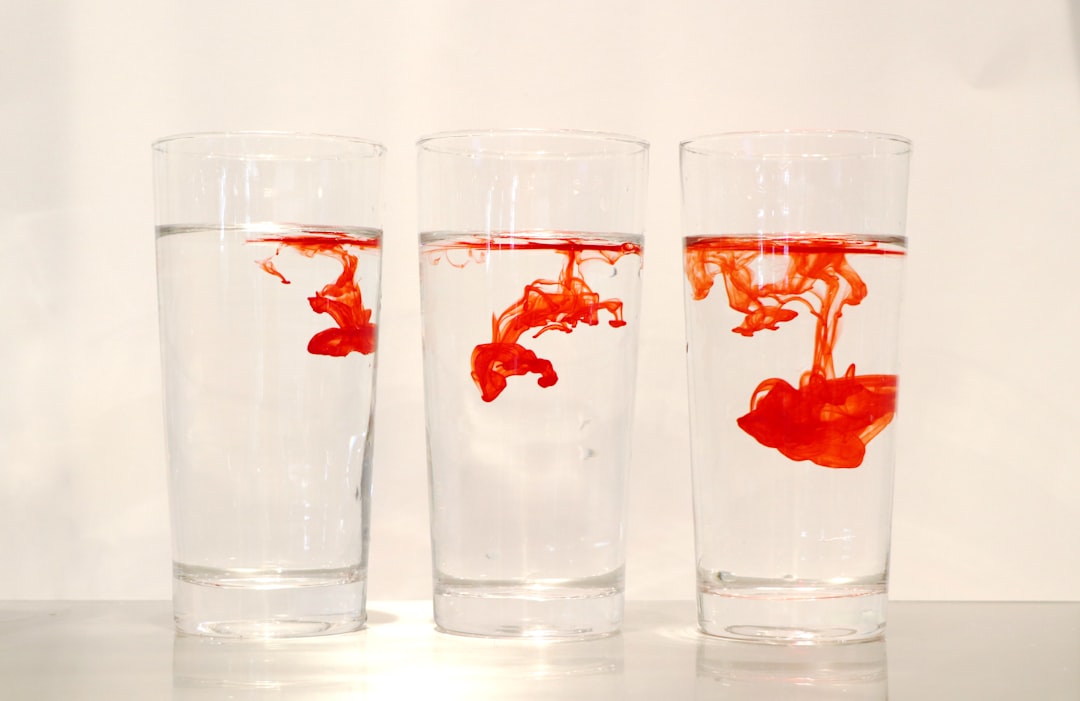
Have you ever wondered if your blood type holds the key to your personality? Perhaps you’ve heard friends jokingly (or seriously!) attribute certain traits to their A, B, O, or AB blood. It’s a captivating idea, isn’t it? The notion that something as fundamental as our blood could dictate who we are has intrigued many, especially in certain cultures. But as we navigate 2026, where do these theories stand? Let’s explore the enduring allure of blood type personalities and separate fact from fiction. 😊
The Enduring Allure: Blood Type Personality Theories Across Cultures 🤔
The concept of blood type personality, known as “ketsueki-gata,” has a surprisingly deep cultural footprint, particularly in East Asian countries like Japan and South Korea. It originated in Japan in the early 1900s with Professor Takeji Furukawa, who hypothesized a link between blood groups and temperament. His work gained significant popularity, especially after journalist Masahiko Nomi published books on the subject in the 1970s, solidifying its place in pop culture.
In these cultures, asking someone their blood type can be as common as asking for their zodiac sign in Western societies. It’s believed to influence everything from employment and product marketing to dating and personal compatibility. People often discuss blood types to understand individual characteristics and even tailor their lifestyles based on these profiles.
According to popular belief, Type A individuals are often seen as organized and perfectionist, Type B as creative and individualistic, Type O as confident leaders, and Type AB as complex and adaptable.
Fact vs. Fiction: What Science Says in 2026 📊
Despite its widespread cultural significance, the scientific community’s consensus is clear: there is no substantial scientific evidence supporting a direct link between blood type and personality traits. Multiple scientific studies have attempted to validate these correlations, but results have consistently shown no significant relationship.
Modern psychology and neuroscience emphasize that personality development is a far more complex interplay of genetic factors, environmental conditions, and personal experiences, rather than being determined by blood type. The belief is often considered pseudoscience, akin to astrology, relying more on cultural interest and anecdotal stories than empirical research.
Common Blood Type Personality Associations (Cultural Beliefs)
| Blood Type | Common Personality Traits (Cultural) | Perceived Negatives (Cultural) |
|---|---|---|
| Type A | Organized, patient, perfectionist, conscientious, responsible. | Overly sensitive, anxious, stubborn, uptight. |
| Type B | Creative, flexible, individualistic, passionate, adventurous. | Selfish, unpredictable, uncooperative, erratic. |
| Type O | Confident, outgoing, natural leaders, optimistic, energetic. | Competitive, insecure, workaholics, appear selfish. |
| Type AB | Complex, rational, adaptable, artistic, caring. | Unpredictable, indecisive, aloof, detached, forgetful. |
It’s crucial to remember that these are cultural stereotypes, not scientifically proven facts. Basing significant life decisions, like hiring or dating, solely on blood type can lead to discrimination and missed opportunities.
Key Checkpoints: What to Remember About Blood Type Personalities! 📌
You’ve come this far! With all the fascinating cultural beliefs and scientific insights, it’s easy to get lost. Let’s quickly recap the most important takeaways. Please keep these three points in mind:
-
✅
Cultural Phenomenon, Not Scientific Fact
Blood type personality theories are deeply ingrained in some East Asian cultures, influencing social interactions and even dating. However, scientific research consistently shows no correlation between blood type and personality. -
✅
Personality is Complex and Multifaceted
Our personalities are shaped by a complex interplay of genetics, environment, and personal experiences. Reducing it to a single biological marker like blood type oversimplifies human behavior. -
✅
Beware of Psychological Biases
Belief in blood type personalities can be influenced by confirmation bias and self-fulfilling prophecies, where individuals unconsciously seek out and conform to expected traits.
Beyond Personality: The Real Science of Blood Types 👩💼👨💻
While blood type doesn’t define your personality, it plays a critical role in medical science. Blood group typing is essential for safe blood transfusions, organ transplantation, and prenatal testing. The global blood group typing market is projected to reach USD 3.44 billion by 2026, driven by increasing demand for blood and associated products, and advancements in techniques like PCR-based and microarray methods.
Blood types are determined by the presence or absence of specific antigens on your red blood cells, which trigger immune responses. This biological classification is vital for medical compatibility, not personality assessment.
The Psychology Behind the Belief: Why Do We Still Believe? 📚
If science debunks blood type personality theories, why do they persist? The answer lies in human psychology. One major reason is confirmation bias. Once you’re told your blood type aligns with certain traits, you’re more likely to notice instances where you exhibit those traits and ignore those that don’t fit the narrative.
Another powerful factor is the self-fulfilling prophecy. If you believe you’re supposed to act a certain way because of your blood type, you might unconsciously start behaving that way, making the belief feel more real over time. These theories also offer a simple, relatable way to understand ourselves and others, tapping into our innate desire for answers about human behavior.

Case Study: The Barnum Effect in Action
- Scenario: A person reads a general description of a “Type A” personality – organized, responsible, sometimes anxious.
- Observation: They recall times they were indeed organized or felt anxious, reinforcing the belief that the description accurately reflects them.
- Overlooking: They might overlook instances where they were spontaneous or disorganized, as these don’t fit the “Type A” stereotype.
Psychological Mechanism
1) Vague descriptions: Blood type personality traits are often general enough to apply to many people.
2) Personal relevance: Individuals interpret these descriptions as uniquely applicable to themselves, even if they are broadly true for others.
Final Result
– Perceived Accuracy: The individual feels the blood type personality theory is accurate for them.
– Reinforcement: This perceived accuracy strengthens their belief in the theory, despite lack of scientific backing.
Ultimately, while blood type personality theories can be a fun conversation starter and a way to explore self-discovery, it’s important to approach them with a critical mind and understand the psychological biases at play.
Wrapping Up: Embracing Complexity 📝
As we’ve explored, the idea that our blood type dictates our personality is a fascinating cultural phenomenon, deeply rooted in some societies. However, in 2026, the scientific consensus remains firm: there’s no evidence to support a direct link between your blood type and who you are as an individual. Our personalities are wonderfully intricate, shaped by a myriad of factors that make each of us unique.
So, while it’s fun to ponder what your blood type *might* say about you, remember to celebrate the true complexity of human personality. Don’t let a simple letter or symbol define you! If you’re looking to understand yourself better, proven psychological frameworks offer more reliable and research-based insights. Got more questions or personal anecdotes about blood type personalities? Share them in the comments below! 😊
Blood Type Personality: Quick Facts
Frequently Asked Questions ❓