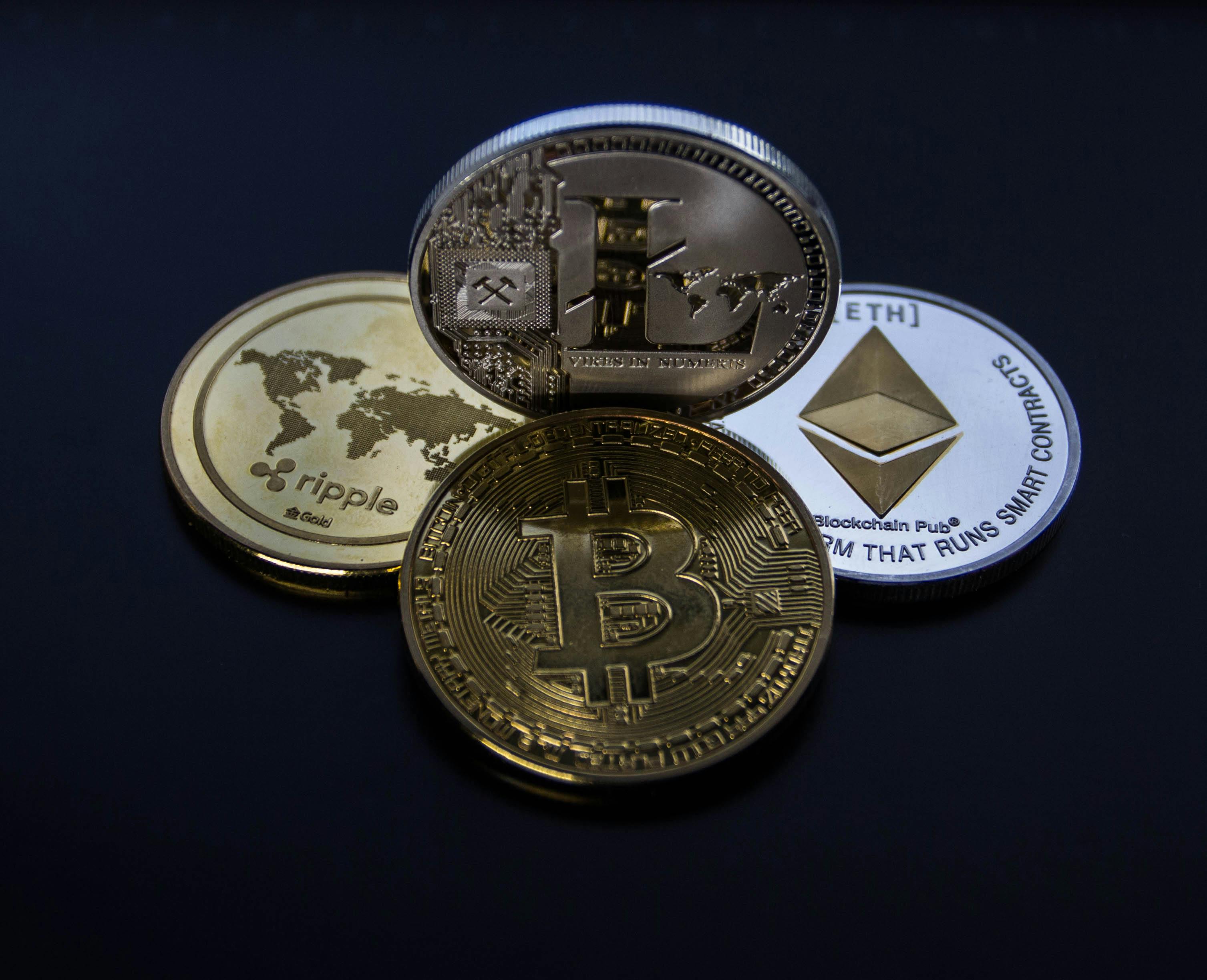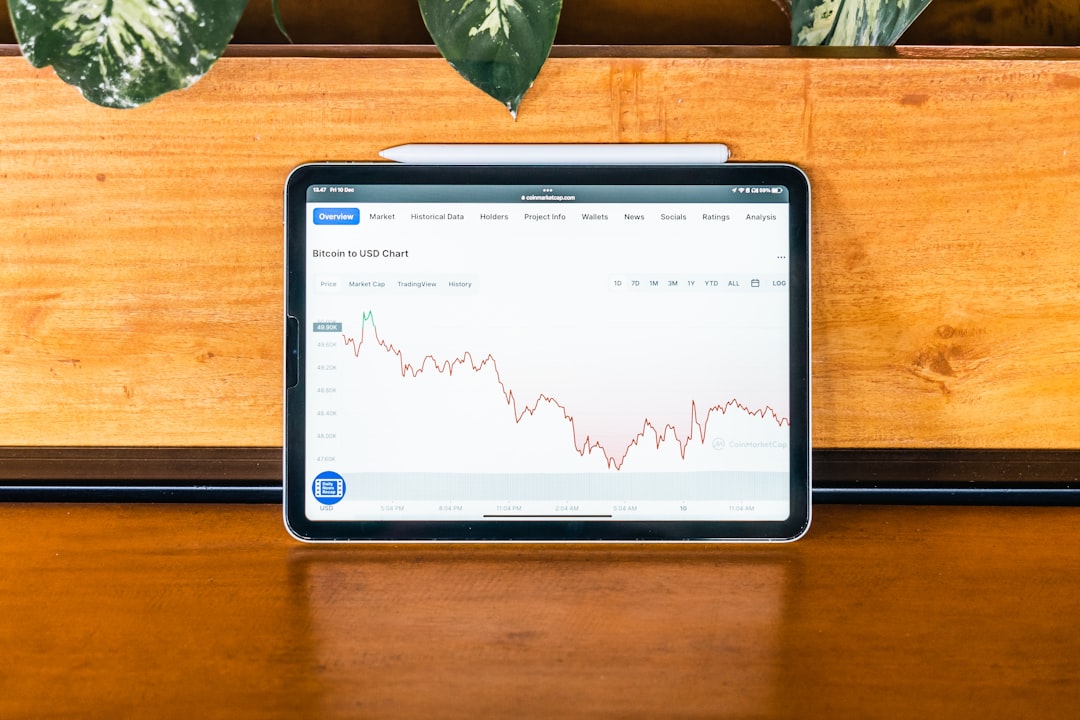
Navigating the unpredictable world of cryptocurrency can feel like a constant battle against market swings and emotional decisions. Many of us have experienced the thrill of a sudden surge and the anxiety of a sharp dip. But what if there was a way to smooth out these fluctuations and invest with greater peace of mind? That’s where Dollar-Cost Averaging (DCA) comes in. It’s a strategy that’s gaining significant traction, especially as the crypto market matures and attracts more long-term investors. Let’s dive into how DCA can transform your crypto investment approach! 😊
What is Dollar-Cost Averaging (DCA) and Why It Matters Now 🤔
Dollar-Cost Averaging (DCA) is an investment strategy where you invest a fixed amount of money into a particular asset at regular intervals, regardless of its current price. This could mean buying $100 worth of Bitcoin every week or $50 of Ethereum every month. The core idea is to reduce the impact of market volatility on your overall purchase price. By consistently investing, you buy more of an asset when prices are low and less when prices are high, effectively averaging out your cost over time.
In the highly volatile cryptocurrency market, where prices can swing dramatically in short periods, DCA is particularly appealing. It removes the pressure of trying to “time the market,” a notoriously difficult task even for seasoned traders. Instead, it fosters a disciplined, long-term approach to building your crypto portfolio.
DCA is akin to setting your investment strategy on autopilot. It simplifies investing and is beneficial for both experienced and beginner investors, allowing you to build wealth gradually over the long term.
The Current Crypto Landscape: Volatility and Adoption in 2026 📊
As of early 2026, the cryptocurrency market continues to evolve rapidly. While Bitcoin saw a historic cycle peak in 2025, reaching $126,000, driven by spot ETF inflows and institutional adoption, the market has also experienced significant volatility. Bitcoin’s price dipped below $70,000 in early 2026, down more than 20% since the start of the year, following a spike between 2023 and 2025. This highlights the ongoing need for strategies that can mitigate risk.
Despite price fluctuations, global crypto adoption is steadily increasing, with approximately 559 million people owning crypto in 2026, representing a 9.9% global adoption rate. In the U.S., about 30% of adults, or 70.4 million people, own cryptocurrency, a slight increase from 27% in 2024. This growing mainstream acceptance, coupled with institutional interest (ETFs purchased over 100% of the new supply of Bitcoin, Ethereum, and Solana in 2025), suggests that while volatility remains, the long-term outlook for crypto is strong.
DCA vs. Lump-Sum Investing: A Quick Comparison
| Feature | Dollar-Cost Averaging (DCA) | Lump-Sum Investing | Consideration |
|---|---|---|---|
| Market Timing | Eliminates the need to time the market. | Requires attempting to buy at the “right” time. | Timing the market is extremely difficult. |
| Volatility Impact | Smooths out price fluctuations, reducing risk. | More susceptible to large losses if invested at a peak. | Crypto is known for high volatility. |
| Emotional Decisions | Reduces emotional trading by automating investments. | Prone to impulsive decisions based on fear or greed. | Emotions can cloud judgment in investing. |
| Potential Returns | May underperform lump-sum in consistently rising markets, but offers better risk management. | Historically, lump-sum has often outperformed DCA in consistently upward trending markets like Bitcoin. | Depends heavily on market conditions and entry point. |
While DCA helps manage risk, it doesn’t guarantee profitability. In a rapidly rising market, a lump-sum investment might outperform DCA. Always assess your investment goals and risk tolerance.
Key Checkpoints: What to Remember About DCA! 📌
You’ve made it this far! With all the information, it’s easy to forget the essentials. Here are three crucial takeaways to keep in mind:
-
✅
DCA Reduces Risk and Stress:
By investing consistently over time, DCA minimizes the impact of market volatility and removes the emotional burden of trying to time the market. -
✅
Automation is Your Ally:
Many crypto exchanges offer automated DCA features, making it incredibly easy to set up and maintain your strategy without constant manual intervention. -
✅
Focus on the Long Term:
DCA is a long-term accumulation strategy. Its benefits are most evident when held over extended periods, allowing you to ride out short-term market noise.
Implementing Your DCA Strategy: Tools and Best Practices 👩💼👨💻
Setting up a DCA strategy for your crypto investments is simpler than you might think, especially with the rise of automated tools. Many major cryptocurrency exchanges now offer features like “Recurring Buy” or dedicated DCA bots that allow you to schedule automatic purchases of your chosen assets. Platforms like Binance, Kraken, Crypto.com, Bybit, and Pionex are popular choices that provide such functionalities.
When implementing your DCA strategy, consider the following:
- Choose Your Asset(s): Decide which cryptocurrencies you want to invest in. Bitcoin and Ethereum are common choices for DCA due to their market dominance and liquidity.
- Determine Investment Amount: Set a fixed amount you are comfortable investing regularly. This should be an amount that won’t strain your finances, regardless of market conditions.
- Set Frequency: Decide how often you want to invest (e.g., daily, weekly, bi-weekly, monthly). Weekly or monthly intervals are common.
- Automate: Utilize your exchange’s recurring buy feature or a dedicated DCA bot to automate the process. This helps maintain discipline and reduces emotional interference.
Some advanced DCA bots, like those offered by 3Commas or Coinrule, allow for more customized strategies, such as buying only when certain technical indicators are met, potentially enhancing your accumulation.
Real-World Example: DCA in Action 📚
Let’s illustrate how DCA can work with a hypothetical example over a few months in a volatile market.
Investor Profile: Sarah’s Crypto Journey
- Investment Goal: Accumulate Bitcoin for long-term growth.
- Strategy: Invest $100 every month, regardless of price.
- Starting Date: January 1, 2026
Monthly Purchases (Hypothetical)
1) January 1, 2026: Bitcoin price is $70,000. Sarah buys 0.001428 BTC ($100 / $70,000).
2) February 1, 2026: Bitcoin price drops to $60,000. Sarah buys 0.001667 BTC ($100 / $60,000).
3) March 1, 2026: Bitcoin price recovers to $65,000. Sarah buys 0.001538 BTC ($100 / $65,000).
4) April 1, 2026: Bitcoin price surges to $75,000. Sarah buys 0.001333 BTC ($100 / $75,000).
Final Result (After 4 Months)
– Total Investment: $400
– Total Bitcoin Accumulated: 0.001428 + 0.001667 + 0.001538 + 0.001333 = 0.005966 BTC
– Average Purchase Price: $400 / 0.005966 BTC = $67,046 (approx.)
In this example, despite Bitcoin’s price fluctuating between $60,000 and $75,000, Sarah’s average purchase price of $67,046 is lower than the initial price of $70,000 and the peak of $75,000. This demonstrates how DCA helps to mitigate the impact of market highs and potentially lowers your overall cost basis over time.
Wrapping Up: Your Path to Smarter Crypto Investing 📝
In a crypto market that continues to be defined by both innovation and volatility, Dollar-Cost Averaging stands out as a powerful, yet simple, strategy for long-term investors. By embracing a disciplined, automated approach, you can reduce stress, mitigate risk, and steadily build your crypto portfolio, regardless of short-term price movements. As institutional adoption grows and the market matures in 2026 and beyond, DCA offers a reliable pathway to participate in the digital asset revolution.
Ready to take control of your crypto investments? Consider implementing a DCA strategy today. If you have any questions or want to share your DCA experiences, feel free to leave a comment below! 😊
DCA: Your Crypto Investment Compass
Frequently Asked Questions ❓