
Have you ever planned an entire trip around a single dish? Or found yourself wandering through a bustling market, completely captivated by the aromas and vibrant colors? If so, you’re not alone! Culinary tourism is booming, transforming how we explore the world and connect with cultures. In 2026, the global culinary tourism market is projected to reach an astounding $40.5 billion by 2030, a clear indicator that food is no longer just a necessity, but a primary driver for travel. Let’s dive into the delicious trends and must-visit spots that will define your food adventures this year! 😊
The Resurgence of Global Gastronomy: 2026 Travel Trends 🤔
The travel landscape in 2026 is all about authentic, experience-led journeys. Travelers are increasingly seeking to escape overcrowded hotspots, opting for what’s being called “anti-tourism” – a desire for quieter, more genuine connections with local people, culture, and landscapes. This shift is particularly evident in the culinary world, where immersing oneself in local food traditions offers a direct pathway to understanding a destination’s heart and soul.
Generation Z and Millennials are at the forefront of this movement, fueling trends like quick international city getaways and event tourism, often planning trips around major cultural or sporting events. They are also embracing technology, with AI playing an increasingly significant role in travel planning and personalization. AI-powered tools are now helping travelers discover unique gastronomic experiences tailored to their preferences, offering real-time assistance and streamlining itinerary building.
Leverage AI travel planners for personalized food recommendations! These tools can help you uncover hidden culinary gems and tailor your itinerary to your specific tastes, from Michelin-starred dining to authentic street food.
Top Culinary Destinations to Savor in 2026 📊
From time-honored food capitals to emerging foodie hotspots, 2026 promises a feast for the senses. Michelin Guides and leading travel publications have highlighted numerous destinations where culinary experiences are taking center stage. The global culinary tourism market is projected to grow at a CAGR of 21.9% from 2026 to 2033, with Europe dominating the market in 2025, and Asia Pacific emerging as the fastest-growing market.
In Europe, Venice, Italy, is experiencing a culinary renaissance, with luxury hotel openings and restaurant renovations refreshing its famous lagoon cuisine. Other Italian cities like Naples, Milan, Bologna, Florence, and Rome consistently rank among the world’s best food cities. Beyond Italy, Czechia is gaining attention with its first nationwide Michelin Guide, and Wrocław, Poland, is noted for its modern takes on Silesian traditions. Crete, Greece, has been designated a European Region of Gastronomy for 2026, celebrated for its local produce and exceptional olive oil. Budapest, Hungary, and Rouen, France, are also rapidly evolving, offering diverse culinary scenes at accessible prices.
Asia continues to be a powerhouse of gastronomy. Cappadocia, Türkiye, is drawing food lovers for regional Anatolian recipes and farm-to-table cooking in unique cave restaurants. Jiangsu Province in China offers refined yet affordable garden cuisine, while the Philippines, particularly Manila and Cebu, are seeing rapidly rising food scenes. Tokyo, Japan, remains a global standard for eating well, with its obsessive attention to craft, from Michelin-starred dining to incredible ramen. Bangkok, Thailand, is a street food paradise, where eating well is a constant and casual part of daily life.
Across the Americas, Mexico City is celebrated for its vibrant food scene, where street food and high-end dining coexist harmoniously. In the United States, the American South is gaining recognition for its evolving local specialties, while Florida’s statewide Michelin selection highlights its seafood and chef-led restaurant growth. Historic cities like Boston and Philadelphia are also featured for their fresh emphasis on seafood and seasonal sourcing. Canada’s culinary scene is thriving, with Quebec’s French-inspired kitchens and Vancouver’s vibrant mix of fresh seafood, Asian influences, and Indigenous cuisine. Lima, Peru, continues to be South America’s culinary capital, while Medellín, Colombia, and Minas Gerais, Brazil, are gaining attention for their creative and traditional dishes respectively.
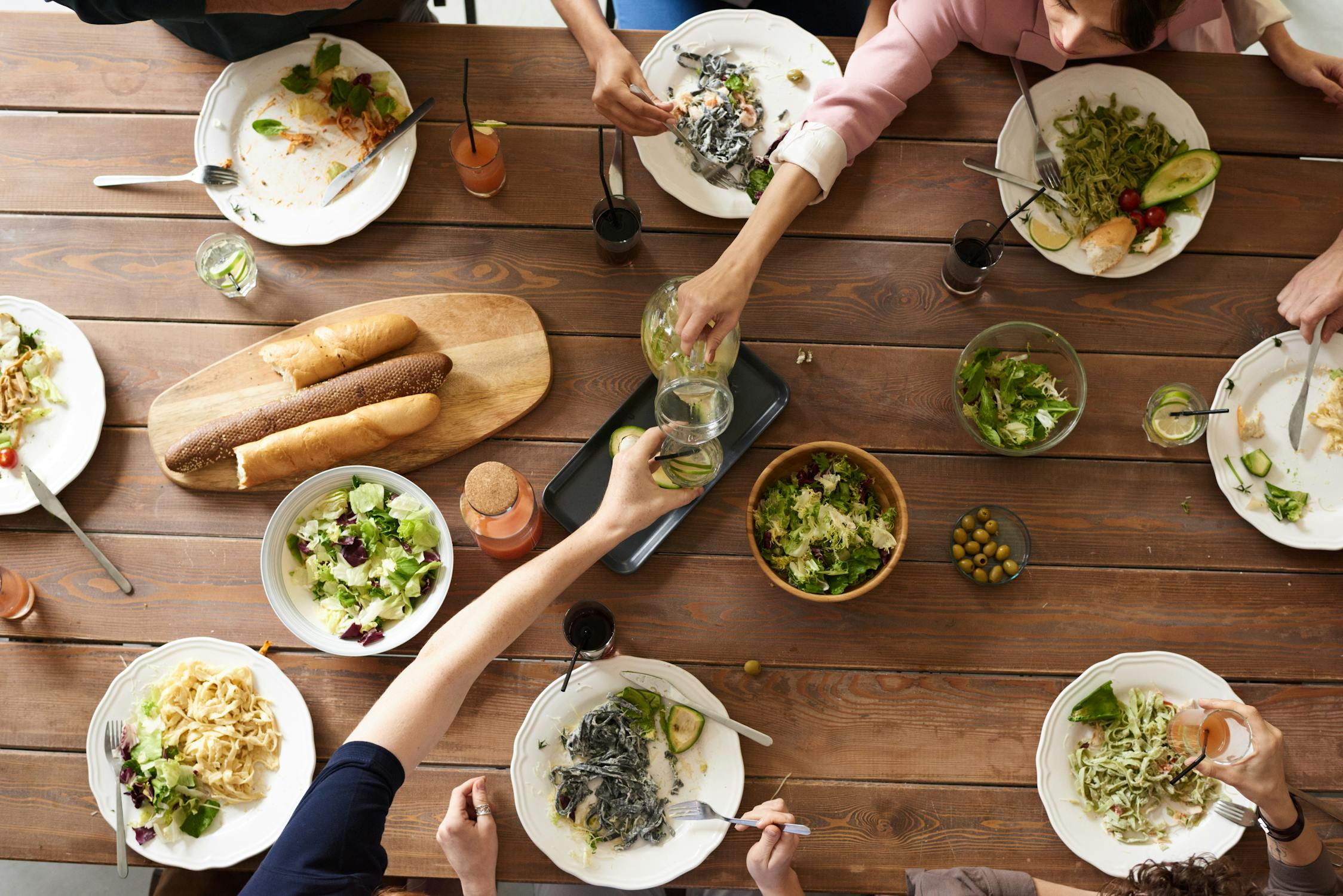
Global Foodie Hotspots 2026: A Snapshot
| Destination | Culinary Highlights | Vibe | Must-Try |
|---|---|---|---|
| Venice, Italy | Lagoon cuisine, Michelin-starred dining, luxury openings | Romantic, refined, historic | Seafood pasta, cicchetti |
| Tokyo, Japan | Sushi, ramen, kaiseki, depachika (food halls) | Precision, craft, diverse | Authentic ramen, fresh sushi |
| Bangkok, Thailand | Street food, Thai curries, vibrant markets | Lively, casual, authentic | Pad Thai, Green Curry, Mango Sticky Rice |
| Mexico City, Mexico | Tacos, mole, modern Mexican cuisine | Dynamic, traditional, innovative | Tacos al Pastor, Mole Madre |
As culinary tourism grows, so does the risk of over-tourism. Be mindful of your impact on local communities and environments. Choose off-season travel and support businesses committed to sustainable practices.
Key Checkpoints: Don’t Forget These! 📌
You’ve come this far, so let’s quickly recap the most important takeaways. Keep these three points in mind for your next food-focused adventure:
-
✅
Culinary Tourism is Exploding!
The global culinary tourism market is experiencing rapid growth, driven by travelers seeking authentic and immersive food experiences. -
✅
Diverse Destinations Await Your Palate.
From European classics to Asian street food havens and vibrant American cities, the world offers an incredible array of culinary adventures in 2026. -
✅
Travel Smart, Eat Sustainably.
Embrace sustainable practices, support local economies, and utilize technology like AI to enhance your food travel while minimizing your impact.
Smart Food Travel Tips for the Modern Explorer 👩💼👨💻
Embarking on a food adventure doesn’t mean breaking the bank or compromising your values. With a little planning, you can savor incredible local flavors responsibly and affordably. The key is to think like a local and embrace authenticity.
Sustainable Food Travel: Eating with a Conscience
- Embrace Local & Seasonal: Prioritize restaurants and markets that use fresh, seasonal, and locally sourced ingredients. This reduces food miles and supports local farmers.
- Avoid Excessive Waste: Be mindful of portion sizes and consider avoiding all-inclusive or all-you-can-eat buffets, which can lead to overconsumption and waste. Apps like Too Good To Go can help you find places selling surplus food at a discount.
- Support Local Businesses: Seek out family-run eateries, independent cafes, and local markets instead of large chains or tourist traps. This directly benefits the local economy and offers a more authentic experience.
- Look for Certifications: Some restaurants have sustainable certifications like the Michelin Green Star or Green Key, indicating their commitment to eco-friendly practices.
- Reduce Meat Intake: Opt for plant-based dishes more often. Reducing meat consumption is a significant step towards more sustainable dining due to its lower environmental impact.
- Minimize Single-Use Items: Carry reusable water bottles and utensils to avoid disposable plastics, especially when enjoying street food.
Budget Food Travel Hacks: Savoring Without Splurging
- Eat Like a Local: The best and often cheapest food is found where locals eat. Avoid restaurants with “We speak English” signs or overly elaborate menus in tourist-heavy areas.
- Embrace Street Food: Many of the world’s best culinary experiences are found on the street. It’s often incredibly delicious, authentic, and budget-friendly. Look for high-turnover spots where food is cooked fresh.
- Lunch Specials & Happy Hours: Take advantage of lunch deals, which are often significantly cheaper than dinner menus, and happy hour specials for discounted appetizers and drinks.
- Shop at Local Markets & Grocery Stores: For some meals, especially breakfast or picnics, buying ingredients from local markets or grocery stores can save a lot of money.
- Timing is Everything: Visit bakeries or food stalls right before closing for discounted items. Vendors often prefer to sell at reduced prices rather than throw food away.
- Attend Local Festivals & Community Meals: Research cultural calendars for free food samples, cooking demonstrations, or community meals offered during religious festivals or local celebrations.
Researching your destination’s culinary scene in advance, using food blogs, travel guides, and social media, can significantly enhance your experience and help you find the best local spots.
Real-World Culinary Adventure: Bangkok’s Street Food Scene 📚
Let’s put these tips into action with a real-world example: exploring the legendary street food scene of Bangkok, Thailand. This city is consistently ranked among the best for street food, offering an unparalleled depth of flavors and experiences.
A Day in Bangkok for the Foodie
- Morning: Start your day with a traditional Thai breakfast. Head to a local market like Or Tor Kor or Khlong Toey. You’ll find vendors selling everything from fresh fruits to savory rice porridge (Jok) and steamed dumplings. Look for stalls with long lines of locals – a sure sign of good food!
- Lunch: For a budget-friendly and authentic lunch, seek out a street food stall specializing in boat noodles (Kuay Teow Reua) near Victory Monument. These small, flavorful bowls are incredibly cheap, allowing you to try several varieties. Don’t be afraid to point at what others are eating if there’s a language barrier.
- Afternoon Snack: Explore the vibrant Chinatown (Yaowarat Road) for afternoon snacks. Try crispy pork belly, fresh fruit shakes, or mango sticky rice from a vendor with high turnover. Remember to carry your reusable water bottle!
- Dinner: As evening falls, Chinatown truly comes alive. Find a spot with plastic chairs on the sidewalk and order a sizzling plate of Pad Krapow (holy basil stir-fry) or a flavorful green curry. Watch the chefs cook everything fresh to order over roaring flames.
Key Takeaways from Bangkok
1) Embrace the chaos: The best meals often happen in informal settings.
2) Trust your instincts (and the locals): Long lines usually mean delicious and safe food.
3) Be adventurous: Try new dishes and engage with vendors for a truly immersive experience.
Bangkok exemplifies how food travel can be an incredibly rich and rewarding experience, connecting you with the heart of a culture through its flavors. It’s a city that rewards the adventurous eater and proves that authentic, delicious food doesn’t have to be expensive.
Wrapping Up: Your Next Culinary Journey Awaits! 📝
As we’ve explored, the world of food travel in 2026 is more exciting and accessible than ever. From the Michelin-starred restaurants of Venice to the bustling street food stalls of Bangkok, there’s a culinary adventure waiting for every palate and budget. By embracing sustainable practices and smart travel tips, you can ensure your gastronomic explorations are not only delicious but also responsible and enriching.
So, what are you waiting for? Start planning your next food-focused getaway, taste new cultures, and create unforgettable memories. If you have any questions or your own favorite food travel tips, please share them in the comments below! 😊