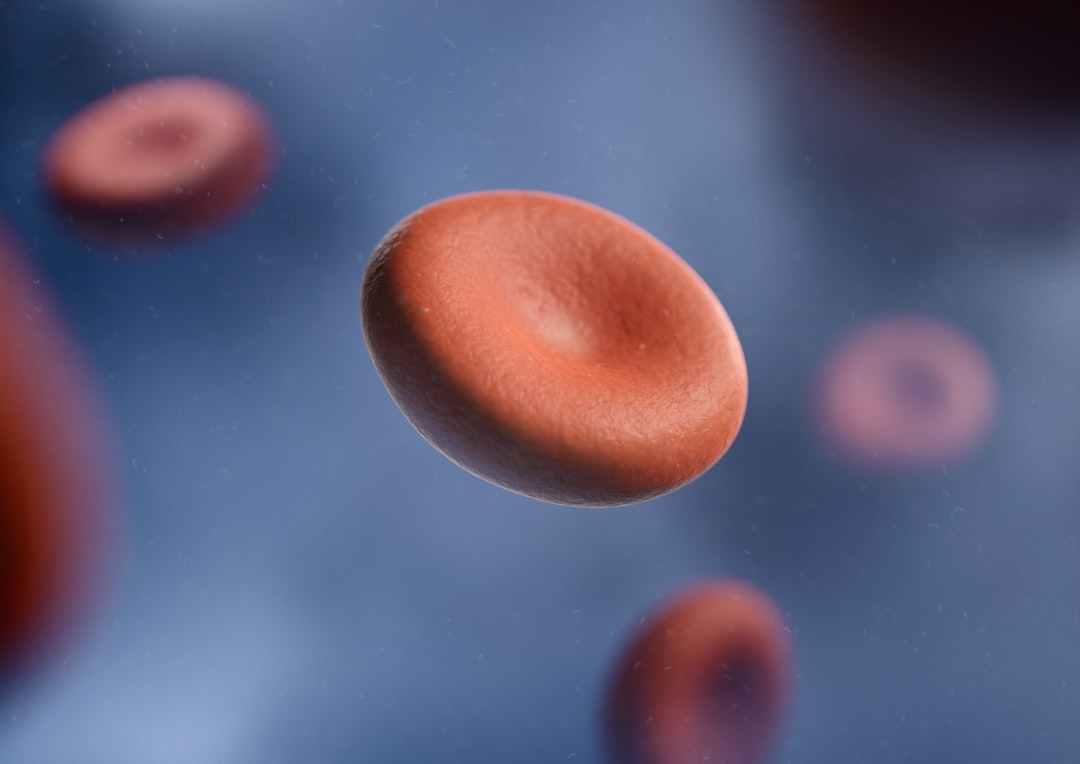
Have you ever been asked your blood type in a social setting, not for medical reasons, but to understand your personality? If you’re in the US, perhaps not often, but in some cultures, particularly Japan, it’s as common as discussing zodiac signs! It’s a fascinating idea: that the very blood flowing through your veins could offer clues about your temperament, strengths, and even weaknesses. While science has a clear stance on this, the cultural impact and sheer curiosity surrounding blood type personalities are undeniable. Let’s explore this intriguing topic together! 😊
The Roots of Ketsuekigata: A Japanese Phenomenon 🤔
The concept of blood type personality, known as “ketsueki-gata” in Japan, has a surprisingly long history. It first gained traction in 1927 when Japanese professor Takeji Furukawa published “A study of temperament and blood-groups.” Furukawa’s initial research, though based on small population samples and later questioned for its scientific rigor, laid the groundwork for this enduring theory.
The idea truly exploded in popularity in the 1970s, thanks to journalist Masahiko Nomi, who published a series of accessible books on the subject. Nomi’s work, and later that of his son Toshitaka Nomi, solidified blood type personality theories in Japanese pop culture, influencing everything from dating and matchmaking to job recruitment and even product marketing.
In Japan, asking someone’s blood type is often a casual conversation starter, much like asking about their zodiac sign in Western cultures. This highlights the deep cultural integration of ketsueki-gata.
Popular Beliefs: What Your Blood Type Supposedly Says 📊
According to ketsueki-gata, each ABO blood type is associated with a distinct set of personality traits. While these are widely considered stereotypes, they form the basis of many conversations and self-assessments. Let’s take a look at the commonly attributed characteristics:
| Blood Type | Common Positive Traits | Common Negative Traits | Keywords |
|---|---|---|---|
| Type A | Organized, earnest, responsible, patient, loyal, sensitive, cooperative, composed, polite. | Stubborn, tense, anxious, overly sensitive, withdrawn. | The Farmer, Perfectionist |
| Type B | Creative, passionate, independent, strong, adventurous, curious, active, outgoing, cheerful. | Selfish, unpredictable, uncooperative, erratic, poor at multitasking. | The Nomad, Free Spirit |
| Type AB | Rational, calm, adaptable, diplomatic, caring, dependable, empathetic, charming, intellectual. | Indecisive, critical, self-centered, complicated, two-faced, aloof, forgetful. | The Hybrid, Enigma |
| Type O | Outgoing, energetic, confident, natural leaders, ambitious, strong-willed, optimistic, resilient, devoted. | Arrogant, stubborn, aggressive, insensitive, overly ambitious. | The Hunter, Leader |
It’s important to remember that these are generalizations and stereotypes. While they can be fun to discuss, they don’t capture the full complexity of human personality.
Relying solely on blood type for personality assessment can lead to stereotyping and even discrimination, particularly against Type B and AB individuals in some contexts.
Key Checkpoints: What to Remember So Far! 📌
Have you been following along? This topic can be quite extensive, so let’s quickly recap the most crucial points. Please keep these three takeaways in mind:
-
✅
Origins in Japan:
The blood type personality theory, or ketsueki-gata, originated in Japan in the 1920s and gained widespread popularity in the 1970s. -
✅
Cultural Significance:
It’s a significant part of Japanese pop culture, influencing social interactions, dating, and even employment, similar to astrology in the West. -
✅
Stereotypes, Not Science:
While popular, the attributed traits are largely stereotypes and not supported by scientific evidence.
The Scientific Verdict: Fact or Pseudoscience? 👩💼👨💻
Despite its cultural prevalence, the scientific community largely dismisses blood type personality theories as pseudoscience. Numerous studies, including those using large sample sizes and established personality assessment scales like the Big Five, have found no statistically significant correlation between ABO blood types and personality traits.
For example, a 2021 study examining blood type and personality demonstrated no significant correlation. Similarly, a 2015 study with a large number of healthy Japanese subjects found only a “small but significant difference” in the mean scores for “Persistence” among blood type groups, but cautioned that these results were preliminary and the association relatively weak. Most modern studies conclude there is no direct causal link.
While blood type doesn’t determine personality, research in 2021 suggested that as many as 49 diseases could be influenced by ABO blood type, highlighting its medical significance beyond personality.
The Enduring Appeal: Why We Still Talk About It 📚
So, if science says no, why does the blood type personality theory continue to fascinate? Part of its appeal lies in what psychologists call the “Barnum Effect” or “Forer Effect,” where people tend to believe vague and general personality descriptions as highly accurate for themselves. It’s a fun way to self-reflect and connect with others, providing a lighthearted framework for discussing human behavior.
In cultures where it’s prevalent, like Japan, it’s deeply ingrained in media, from anime and manga characters having their blood types listed to products marketed specifically for certain blood types. This constant exposure reinforces the stereotypes, potentially leading to a self-fulfilling prophecy where individuals unconsciously adopt traits associated with their blood type.
Case Study: Blood Type and Social Interactions in Japan
- Scenario: In Japan, it’s common for people to ask about blood types during initial introductions or when forming groups.
- Impact: This can influence first impressions, team dynamics in the workplace, and even dating compatibility. For instance, a Type O individual might be expected to be a natural leader, while a Type A might be seen as a diligent team player.
Cultural Trend: Blood Type “Horoscopes”
1) Many Japanese magazines and websites feature daily or weekly “blood type horoscopes” that offer predictions and advice based on one’s blood type.
2) These often provide general guidance on relationships, career, and health, reinforcing the idea that blood type holds personal significance.
Final Result: Fun, But Not Definitive
– While these interactions and trends are a fun part of the culture, they don’t provide scientific insight into personality.
– They serve as a social lubricant and a framework for self-reflection, rather than a definitive guide to individual traits.
Ultimately, the appeal of blood type personality theories lies in our innate desire to understand ourselves and others. It offers a simple, relatable framework, even if it lacks scientific backing.
Conclusion: Embracing Individuality Beyond Blood Types 📝
While the idea that your blood type dictates your personality is a captivating one, it’s crucial to approach it with a healthy dose of skepticism. The scientific consensus is clear: there’s no evidence to support a direct link between your ABO blood group and your personality traits. Our personalities are incredibly complex, shaped by a myriad of factors including genetics, environment, upbringing, and life experiences.
However, the cultural phenomenon of ketsueki-gata reminds us of our universal human desire for self-understanding and connection. It can be a fun conversation starter and a way to explore different facets of human nature, as long as we remember its limitations. So, next time someone asks your blood type, feel free to share the popular traits, but always remember that your true personality is far richer and more unique than any single classification can define. What are your thoughts on this? Share them in the comments below! 😊
Blood Type Personality: Quick Facts
Frequently Asked Questions ❓
