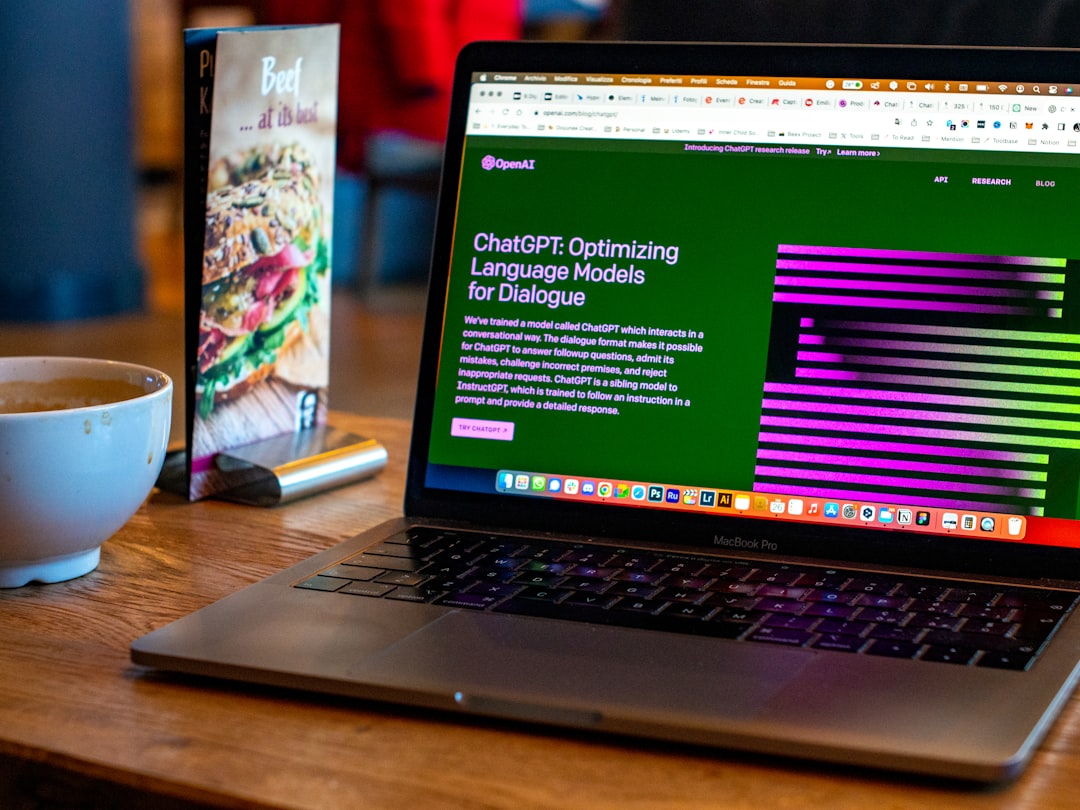
Remember when AI felt like something out of a sci-fi movie? Well, I do! It wasn’t that long ago, but here we are in 2026, and it feels like AI is everywhere, quietly transforming how we live, work, and interact with the world. From the moment we wake up to the personalized recommendations we get online, AI is no longer just a futuristic concept; it’s a tangible reality. It’s truly exciting to see how quickly this technology is evolving and becoming a genuine partner in our daily lives. 😊
The Current Landscape: AI’s Ubiquitous Presence 🤔
It’s clear that AI has moved past the experimental phase and is now firmly embedded in our global infrastructure. In early 2026, a significant 64% of organizations are actively leveraging AI in their operations, with North America leading the charge at 70% adoption. This isn’t just about big corporations; more than one-third of individuals across the OECD utilized generative AI tools in 2025, showing just how rapidly AI is becoming a part of everyday life.
The financial commitment to AI is also soaring. Nearly all respondents (86%) in recent surveys anticipate their AI budgets to increase in 2026, with almost 40% expecting a rise of 10% or more. This surge in investment underscores the confidence in AI’s ability to drive revenue, cut costs, and boost productivity across various industries.
The global hybrid AI deployment market, which combines cloud, on-premise, and edge computing, is projected to grow from $43.00 billion in 2026 to an astounding $417.10 billion by 2035, expanding at a CAGR of 28.72%. This highlights the increasing demand for flexible and secure AI solutions.
Emerging Trends and Statistics Shaping 2026 📊
This year, we’re witnessing several transformative trends that are redefining AI’s role. One of the most impactful is the rise of Agentic AI. These advanced AI systems are no longer just tools; they’re becoming autonomous digital coworkers capable of reasoning, planning, and executing complex tasks with minimal human intervention. We’re seeing them deployed in everything from code development to legal and financial tasks, even building entire applications.
Another significant shift is the emphasis on Human-AI Collaboration. Experts predict that AI will evolve from a mere instrument to a true partner, amplifying human expertise rather than replacing it. This collaborative approach is crucial as AI takes on more complex roles.
Global AI Adoption & Economic Impact Projections
| Metric | 2025/Early 2026 Data | Source | Significance |
|---|---|---|---|
| Organizations Actively Using AI | 64% (North America: 70%) | NVIDIA Blog | Widespread enterprise integration. |
| Individuals Using Generative AI (OECD) | Over 1/3 | OECD | Rapid consumer adoption. |
| Global AI Adoption (H2 2025) | 16.3% of world population | Microsoft | Significant mainstream penetration. |
| Projected AI Contribution to Global Economy (by 2030) | Up to $15.7 trillion | Intuition | Massive economic transformation. |
While AI offers immense potential, challenges like algorithmic bias, lack of transparency (the “black box problem”), and potential job displacement remain critical concerns. Addressing these ethical considerations is paramount for responsible AI development and public trust.
Key Checkpoints: Don’t Miss These! 📌
You’ve made it this far! With so much happening in the world of AI, it’s easy to get lost. Let’s quickly recap the most important takeaways from our journey so far. These three points are absolutely essential to remember:
-
✅
AI is Everywhere and Growing Fast:
From enterprise operations to individual daily use, AI adoption is rapidly increasing, with significant budget increases and economic impact projections. -
✅
Agentic AI and Human-AI Collaboration are Key:
Autonomous AI agents are becoming digital coworkers, while the focus shifts to AI amplifying human capabilities, not replacing them. -
✅
Ethical AI and Transparency are Non-Negotiable:
Addressing biases, ensuring transparency, and establishing strong governance frameworks are crucial for building trust and responsible AI deployment.
AI’s Impact on Daily Life: Beyond the Workplace 👩💼👨💻
AI’s influence isn’t confined to boardrooms and data centers; it’s deeply permeating our personal lives. One of the most exciting developments is the evolution of Personal AI Assistants. These aren’t just reactive chatbots anymore; they’re proactive, agentic systems designed to understand your goals, plan multi-step tasks, and execute them autonomously, often reflecting your personal preferences and reasoning patterns. Imagine an AI that truly “thinks like you” to manage your schedule, filter information, and even help with complex decision-making. The personal AI assistant market is projected to reach US$24.53 billion by 2034!
In our homes, AI is making life smarter and more efficient. Smart Homes are shifting from simple automation to predictive intelligence. AI systems are learning our routines, optimizing energy consumption to reduce bills by 25-40%, and enhancing security with advanced features like facial recognition. Privacy is also a growing concern, leading to a significant shift towards local-first AI hubs that keep sensitive data off the cloud.
AI is also making significant strides in Healthcare. AI agents are enhancing patient care, streamlining clinical workflows, and accelerating drug discovery. Providers are using AI to analyze data from personal devices, genetic information, and electronic medical records to predict health problems and offer personalized solutions.
Real-World Example: AI in Action – The Smart Energy Home 📚
Let’s look at a concrete example of how AI is making a difference right now. Imagine a typical American household in 2026, let’s call it the “Greenwood Residence.”
The Greenwood Family’s Situation
- **Goal:** Reduce energy consumption and costs, enhance home comfort.
- **Previous Setup:** Standard programmable thermostat, basic smart lights.
- **Challenge:** High energy bills during peak hours, inconsistent indoor climate.
AI-Powered Solution Implemented
1) **Predictive Energy Management System:** Installed an AI-driven system that analyzes local weather patterns, learns the home’s thermal retention, and integrates with real-time utility grid pricing.
2) **Smart Appliance Integration:** Connected AI-enabled HVAC, lighting, and even some kitchen appliances (like a smart refrigerator with Wi-Fi control) to the central AI hub.
3) **Occupancy & Behavior Learning:** Utilized mmWave presence sensors (replacing traditional motion sensors) to accurately detect occupancy and learn family routines, even when they’re sitting still.
Final Results
– **Energy Cost Reduction:** The Greenwoods saw their energy bills decrease by an average of 30% annually, thanks to optimized heating, cooling, and lighting.
– **Enhanced Comfort:** The home’s climate and lighting automatically adjust to their preferences and presence, creating a consistently comfortable environment without manual input.
– **Increased Efficiency:** The AI system proactively manages energy use, even integrating with their solar panels to use self-generated energy optimally.
This example truly showcases how AI is moving beyond simple automation to provide intelligent, proactive solutions that genuinely improve our quality of life and save resources. It’s not just about convenience; it’s about smarter living.
Wrapping Up: The AI-Powered Future is Here to Stay 📝
As we navigate 2026, it’s undeniable that AI is no longer a distant dream but a fundamental part of our present and future. From boosting enterprise productivity and driving economic growth to personalizing our daily routines and revolutionizing healthcare, AI’s impact is profound and far-reaching. The shift towards agentic AI, human-AI collaboration, and a strong focus on ethical development are defining this exciting new era.
The journey of AI is just beginning, and its potential to transform our world for the better is immense. What are your thoughts on AI’s growing presence in our lives? Do you have any questions about these trends? Feel free to share your insights or ask anything in the comments below! 😊
AI’s 2026 Impact: Key Takeaways
Frequently Asked Questions ❓
<