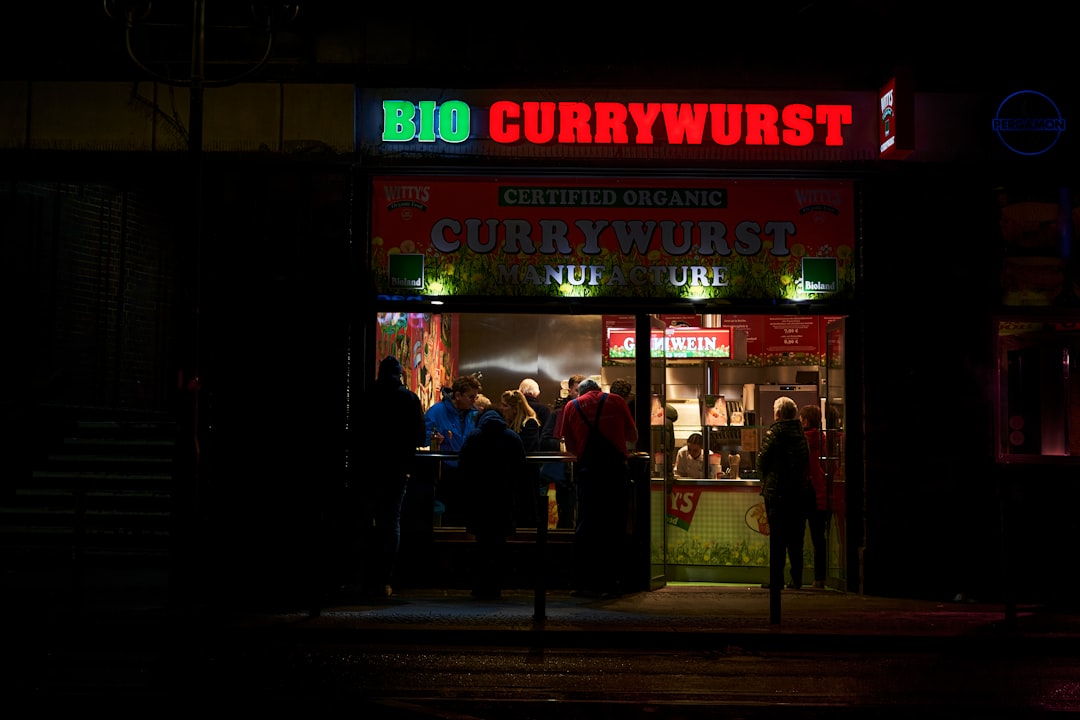
Have you ever planned a trip around a single dish? Or dreamt of exploring a new culture, one bite at a time? If so, you’re not alone! As of March 19, 2026, food travel isn’t just a niche interest; it’s a global phenomenon, redefining how we experience the world. It’s about more than just eating; it’s about connecting with local communities, understanding history through flavor, and creating memories that linger long after the last meal. Get ready to embark on your most delicious adventure yet! 😊
Top Global Culinary Destinations for 2026 🌍
The world’s culinary map is constantly evolving, with new stars emerging and beloved classics reinventing themselves. For 2026, several destinations are particularly shining bright for food lovers, offering everything from Michelin-starred experiences to vibrant street food scenes.
- Venice, Italy: This iconic city is experiencing a hotel renaissance, which is set to reset its dining scene. With 62 Michelin Guide restaurants, including two Two-Star establishments, Venice is poised for a culinary surge in 2026, offering refined lagoon cuisine amidst luxury openings.
- Crete, Greece: Crowned the European Region of Gastronomy 2026, Crete is a Mediterranean food paradise. Its cuisine is celebrated for exceptional local ingredients like wild herbs, seasonal vegetables, high-quality olive oil, and deeply traditional dishes such as Sfakianopita.
- Hong Kong: Claiming a top spot for its unmatched culinary range, Hong Kong seamlessly blends legendary street food and dim sum halls with high-end dining. The city’s Cantonese classics, international influences, and hyper-local specialties make it an exciting destination for foodies.
- Mexico City, Mexico: This vibrant capital is a rewarding place to eat, where everyday food is as revered as “serious” cooking. From bustling street corners to world-class dining rooms, Mexico City showcases modern Mexican cuisine rooted in tradition, emphasizing native produce and technique.
- Boston, USA: The Massachusetts capital has undergone a significant culinary reinvention. Combining classic New England cuisine with modern gastronomy, Boston offers fresh seafood, historic eateries, and a strong local producer culture, making it a natural draw for those looking to understand American food culture.
- Medellín, Colombia: Colombia’s creative hub is rapidly becoming a gastronomic star, gaining attention for its innovative and modern culinary scene.
Many of these destinations are being recognized not just for fine dining, but for their vibrant street food, local markets, and family-run restaurants, reflecting a broader shift in what travelers seek.
Emerging Food Travel Trends & Statistics (2026) 📊
The culinary tourism landscape is experiencing dynamic shifts, driven by evolving traveler preferences and a growing global consciousness. Here’s what’s shaping food travel in 2026:
The global culinary tourism market is projected for significant growth, expected to reach USD 4,258.3 Billion by 2034, exhibiting a compound annual growth rate (CAGR) of 14.17% from 2026 to 2034. This growth is largely fueled by an increasing interest in authentic and immersive food experiences. A recent TravelBoom 2026 Leisure Travel Study indicates that nearly 80% of travelers now choose destinations based on what they’ll eat, making cuisine a deciding factor on par with cost and location.
Travelers are increasingly prioritizing unique, local experiences over traditional fine dining. In fact, 66% of travelers are most excited by street food, and 64% prefer local experiences over Michelin-starred restaurants. This isn’t about prestige; it’s about cultural proximity and understanding a place through its flavors.
Key Food Travel Trends for 2026
| Category | Trend Description | Impact on Travelers | Key Statistics/Insights |
|---|---|---|---|
| Local Immersion | A shift towards authentic, neighborhood eateries, street food, and market experiences. | Deeper cultural understanding, unique memories, often more affordable. | 66% excited by street food; 64% prefer local experiences over fine dining. |
| Sustainable Choices | Growing demand for farm-to-table, locally sourced, seasonal, and plant-based options. | Reduced environmental footprint, support for local economies, healthier eating. | Restaurants reducing waste by 60%; over 80% of travelers seek carbon labels. |
| Tech-Enhanced Planning | Utilizing AI for personalized recommendations, menu translation, and itinerary creation. | Streamlined planning, access to diverse information, tailored experiences. | 75% of 25-34 year olds use AI for food trip ideas; 69% for menu translation. |
| Snack Culture | Local snacks and pantry items becoming popular souvenirs and a way to experience culture. | Relive travel memories at home, support regional makers, unique keepsakes. | 68% say sampling local food is best way to understand culture; 54% enjoy local snacks as much as restaurant dining. |
While AI offers incredible convenience, full trust in algorithms is still low (only 6% of respondents trust AI completely). It’s best used as a starting point for ideas, complementing traditional sources like recommendations from friends and family.
Key Checkpoints: Don’t Forget These! 📌
Made it this far? Great! With so much to digest, let’s quickly recap the most crucial takeaways for your next food adventure. Keep these three points in mind:
-
✅
Embrace Local & Authentic Experiences:
Forget the tourist traps! The real magic of food travel lies in seeking out neighborhood gems, bustling markets, and street food stalls where locals eat. This is where culture truly comes alive. -
✅
Prioritize Sustainable & Ethical Choices:
Support local farmers and producers, choose seasonal ingredients, and opt for plant-based meals when possible. Your culinary journey can also be a force for good. -
✅
Leverage Technology, But Don’t Rely Solely On It:
AI tools are fantastic for translations and initial ideas, but combine them with local recommendations and your own adventurous spirit for the most rewarding discoveries.
Smart Food Travel Tips & Tricks 👩💼👨💻
Ready to plan your own culinary adventure? Here are some practical tips to ensure your food-focused trip is as delicious and rewarding as possible. These strategies will help you navigate new cuisines and cultures like a seasoned foodie.
- Research Local Delicacies: Before you even pack your bags, make a list of authentic local dishes and drinks you want to try. A quick online search or consulting travel blogs can give you a great head start.
- Dine with Locals: The best recommendations often come from the people who live there. Don’t be afraid to ask hotel staff, tour guides, or friendly residents for their favorite spots. These hidden gems are often far from tourist traps.
- Learn Dining Etiquette: Cultural dining customs can vary greatly. For instance, in some Middle Eastern and African countries, eating with your left hand is considered rude. In Japan, never stick your chopsticks upright in your rice bowl. A little research goes a long way.
- Take a Cooking Class or Food Tour: For a truly immersive experience, consider a hands-on cooking class with a local chef or a guided food tour. These activities offer insights into ingredients, techniques, and cultural significance.
- Embrace Street Food and Markets: Many of the most authentic and delicious culinary experiences are found at street food stalls and local markets. These are often more affordable and offer a direct connection to the local food culture.
- Prioritize Sustainable Choices: Look for restaurants that source locally and seasonally, reduce food waste, and offer plant-based options. Supporting these establishments helps the environment and local economies.
- Use AI Tools Wisely: Leverage AI for menu translations, initial destination ideas, and even custom itinerary suggestions. However, always cross-reference with human recommendations and your own judgment.
- Budget Smart: Eating out for every meal can be expensive. Consider having your main meal at lunch, which is often cheaper, and if possible, rent accommodations with a kitchen to prepare some meals yourself.
Don’t be afraid to try new things! Step outside your comfort zone and sample dishes you’ve never heard of. This is where some of the most memorable culinary discoveries happen.
Practical Example: Planning a Foodie Trip to Crete, Greece 📚
Let’s put these tips into action! Imagine you’re planning a 7-day culinary adventure to Crete, Greece, recognized as the European Region of Gastronomy 2026. Here’s how you might approach it:
The Foodie’s Situation
- Travelers: A couple passionate about local food and culture.
- Destination: Crete, Greece (European Region of Gastronomy 2026).
- Duration: 7 days in June 2026.
Planning Process
1) Pre-Trip Research: Utilize travel blogs and food guides to identify must-try Cretan dishes like Sfakianopita, bougatsa, and dakos, along with key local ingredients (olive oil, wild herbs, cheeses).
2) Book Experiences: Secure a spot in a traditional Cretan cooking class to learn about local techniques and ingredients firsthand. Look for a farm-to-table experience.
3) Local Immersion: Upon arrival, ask hotel staff for recommendations for authentic tavernas and local markets. Prioritize visiting a farmers’ market to sample seasonal produce and interact with local vendors.
4) Sustainable Choices: Actively seek out restaurants that highlight locally sourced ingredients and sustainable practices. Opt for plant-based dishes where available to reduce environmental impact.
5) Tech Integration: Use a translation app (perhaps AI-powered) for menus in smaller, more traditional eateries. Use AI to generate a personalized “food trail” for a day trip to a specific region of Crete known for a particular specialty.
Final Outcome
– Authentic Flavors: Enjoyed traditional Cretan dishes, understanding their history and preparation.
– Cultural Connection: Engaged with local producers and chefs, gaining a deeper appreciation for Cretan culinary heritage.
This example illustrates how a blend of careful planning, local engagement, and smart use of modern tools can lead to a truly enriching and delicious food travel experience. It’s about creating a narrative through food, rather than just consuming it.
Conclusion: Your Next Culinary Journey Awaits! 📝
Food travel in 2026 is more vibrant and diverse than ever before. It’s a powerful way to connect with cultures, support local communities, and create unforgettable memories. Whether you’re drawn to the Michelin-starred tables of Venice, the street food stalls of Hong Kong, or the sustainable farms of Crete, the world is brimming with flavors waiting to be discovered.
So, what are you waiting for? Start planning your next gastronomic adventure today! Embrace the local, savor the sustainable, and let your taste buds guide you to incredible new experiences. If you have any questions or your own favorite food travel tips, please share them in the comments below! 😊