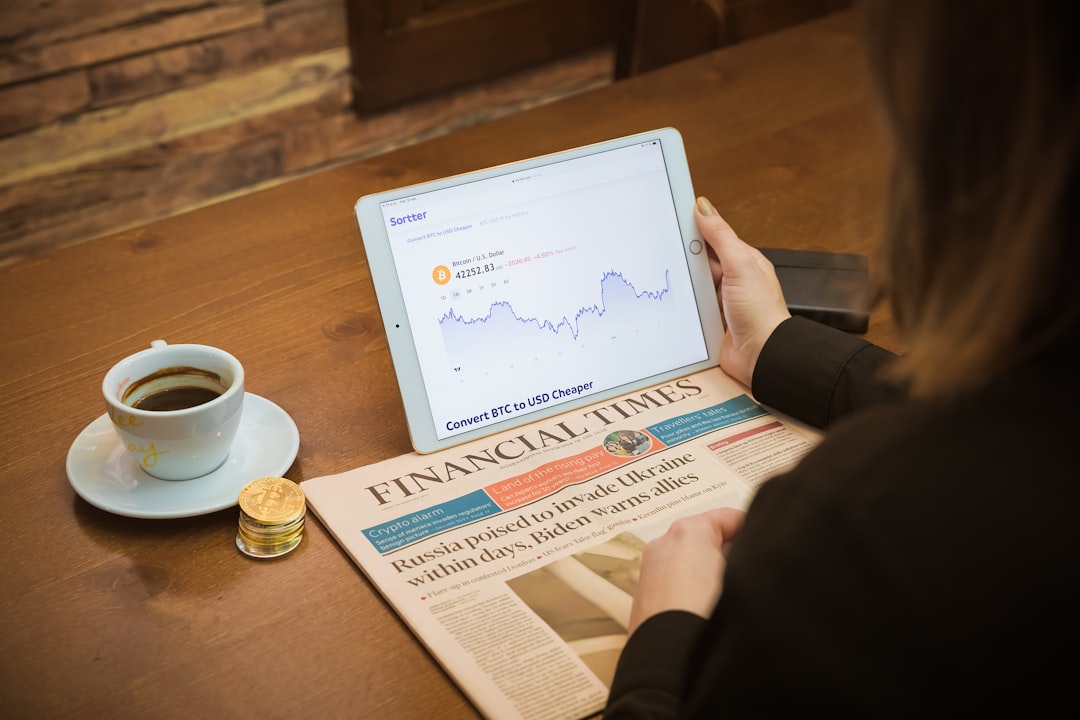
Have you ever felt the rollercoaster ride of the cryptocurrency market? One day your portfolio is soaring, the next it’s dipping, leaving you wondering if you made the right moves. It’s a common dilemma for many, from seasoned investors to curious newcomers. The truth is, the crypto market is known for its exhilarating highs and sometimes nerve-wracking lows. But what if there was a way to navigate this volatility with more confidence and less emotional stress? That’s where Dollar-Cost Averaging (DCA) comes in! This strategy can help you build a robust crypto portfolio over time, smoothing out those wild price swings and positioning you for long-term gains. Let’s dive in and see how! 😊
What Exactly is Dollar-Cost Averaging (DCA)? 🤔
Dollar-Cost Averaging (DCA) is a straightforward investment strategy where you invest a fixed amount of money into a particular asset at regular intervals, regardless of its current price. Instead of trying to “time the market” – a notoriously difficult feat even for experts – you commit to a consistent investment schedule. This could mean buying $100 worth of Bitcoin every week, or $50 worth of Ethereum every month.
The core principle behind DCA is to reduce the impact of market volatility on your overall purchase price. By consistently investing, you naturally buy more units of an asset when its price is low and fewer units when its price is high, thereby averaging out your cost over time. This disciplined approach takes the guesswork and emotional decision-making out of investing.
DCA is often recommended for both beginners and long-term investors because it simplifies the investment process and helps mitigate the risks associated with volatile markets.
Why DCA in Crypto? Trends and Benefits in 2026 📊
The cryptocurrency market in 2026 continues to be a hotbed of innovation and growth, but also persistent volatility. While the total crypto market cap reached approximately $2.5 trillion as of March 2026, it’s still down from a peak of $3.8 trillion in late 2024, showcasing significant price swings. Global crypto adoption is on the rise, with around 560 million people owning cryptocurrency in 2026, representing 9.9% of the connected population. In the U.S., 30% of American adults own crypto, up from 27% in 2024. This increasing adoption, coupled with institutional integration and evolving regulatory clarity, points to transformative growth.
Despite the promising outlook, crypto’s inherent volatility remains a key characteristic. Bitcoin, for instance, has seen significant price fluctuations, from new highs to sharp retreats. This is precisely where DCA shines. According to a Kraken survey, a large majority (83.53%) of crypto investors have used dollar-cost averaging, and 59% use it as their primary investment strategy. The top benefit cited by investors for using DCA is reducing the impact of market volatility (46.13%), followed by consistent investments (23.95%).
Key Benefits of DCA in the Current Crypto Landscape:
| Benefit | Description | Relevance to Crypto in 2026 |
|---|---|---|
| Volatility Mitigation | Spreads out purchases to minimize the impact of drastic price swings. | Crucial in a market where Bitcoin can still experience significant fluctuations. |
| Removes Emotional Bias | Automates investing, preventing impulsive decisions driven by fear or greed. | Helps investors stick to their plan amidst rapid news cycles and market speculation. |
| Lower Average Cost | Buys more when prices are low, less when high, resulting in a favorable average. | Historically, DCA has outperformed lump-sum investing in volatile periods for Bitcoin. |
| Simplifies Investing | Eliminates the need to predict market tops or bottoms. | Ideal for beginners and those seeking a “set it and forget it” approach. |
While DCA can reduce risk, it doesn’t guarantee profit or protect against loss in declining markets. For it to be effective, you must continue to purchase through both market ups and downs.
Key Checkpoints: Remember These Essentials! 📌
You’ve made it this far! With all this information, it’s easy to forget the most crucial points. Let’s recap the three absolute must-remembers for successful Dollar-Cost Averaging in crypto:
-
✅
Consistency is King:
The power of DCA comes from regular, scheduled investments, regardless of market conditions. Stick to your plan! -
✅
Long-Term Vision:
DCA is a long-term strategy designed to capitalize on potential growth over months or years, not quick gains. -
✅
Choose Wisely:
DCA works best with assets you believe will appreciate in value over time, such as established cryptocurrencies like Bitcoin and Ethereum.
Implementing DCA: Practical Steps for Your Crypto Journey 👩💼👨💻
Ready to put DCA into action? Here’s how you can implement this strategy effectively:
- Choose Your Crypto Asset(s): Focus on established cryptocurrencies with strong fundamentals and long-term potential. Bitcoin (BTC) and Ethereum (ETH) are popular choices, as they have historically shown resilience and growth.
- Determine Your Investment Amount: Decide on a fixed amount you are comfortable investing regularly. This should be an amount that won’t strain your finances, even if the market experiences a downturn.
- Set Your Investment Frequency: This could be weekly, bi-weekly, or monthly. The key is consistency. Many exchanges and platforms offer automated recurring buys, making it easy to stick to your schedule.
- Select a Reliable Platform: Use reputable cryptocurrency exchanges or investment platforms that support recurring investments and offer robust security features.
- Monitor, Don’t Obsess: While it’s good to stay informed about market trends, avoid constantly checking prices. The beauty of DCA is that it reduces the need for constant market timing.
Consider starting with a small monthly budget, for example, $50 or $100, and gradually adjust as you gain experience and confidence.
Real-World Example: A DCA Scenario 📚
Let’s illustrate how DCA can play out in a volatile market. Imagine an investor, Sarah, who decided to invest in Bitcoin using DCA.
Sarah’s Situation
- Investment Goal: Accumulate Bitcoin for long-term growth.
- Strategy: Invest $100 in Bitcoin on the first day of every month for 5 months.
- Starting Date: January 1, 2026.
Hypothetical Bitcoin Prices & Purchases (2026)
1) January 1: BTC price = $60,000. Sarah buys 0.00166 BTC ($100 / $60,000).
2) February 1: BTC price = $50,000 (market dip). Sarah buys 0.00200 BTC ($100 / $50,000).
3) March 1: BTC price = $70,000 (market surge). Sarah buys 0.00142 BTC ($100 / $70,000).
4) April 1: BTC price = $65,000. Sarah buys 0.00153 BTC ($100 / $65,000).
5) May 1: BTC price = $75,000 (new high). Sarah buys 0.00133 BTC ($100 / $75,000).
Final Result (After 5 Months)
– Total Invested: $500
– Total BTC Accumulated: 0.00166 + 0.00200 + 0.00142 + 0.00153 + 0.00133 = 0.00794 BTC
– Average Purchase Price: $500 / 0.00794 BTC = ~$63,000 per BTC
Even with significant price swings, Sarah’s average purchase price of $63,000 is lower than the final month’s price of $75,000. This demonstrates how DCA helped her acquire more Bitcoin during dips and smoothed out the overall cost, showcasing its effectiveness in managing crypto’s inherent volatility.
Conclusion: Your Path to Smarter Crypto Investing 📝
In the ever-evolving world of cryptocurrency, where innovation meets volatility, Dollar-Cost Averaging stands out as a reliable and accessible strategy. It’s not about predicting the unpredictable; it’s about building a disciplined approach that can weather market storms and capitalize on long-term growth. As we move further into 2026, with increasing institutional interest and regulatory developments, DCA remains a powerful tool for anyone looking to invest in digital assets intelligently.
By embracing DCA, you can reduce emotional trading, lower your average purchase cost, and steadily grow your crypto portfolio without the constant stress of market timing. So, why not start your DCA journey today and take a step towards smarter, more confident crypto investing? If you have any questions or want to share your DCA experiences, please leave a comment below! 😊
DCA in Crypto: Key Takeaways
Frequently Asked Questions ❓