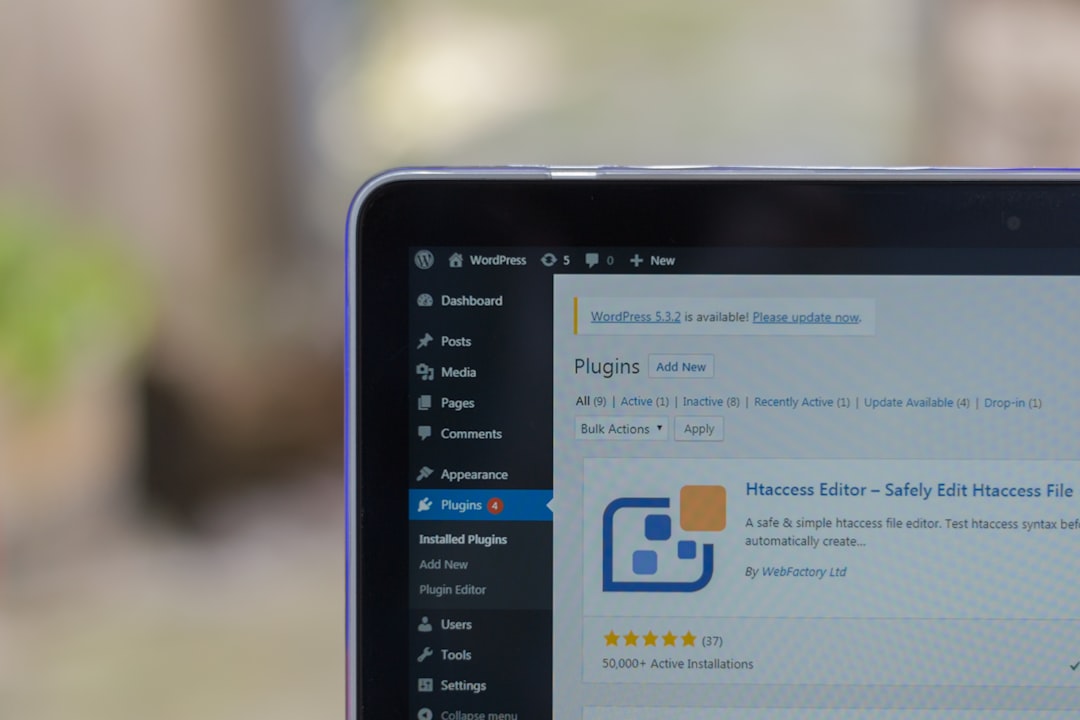
Are you pouring your heart and soul into creating amazing blog content, only to see it buried deep within Google’s search results? You’re not alone! In today’s hyper-competitive digital landscape, simply publishing great content isn’t enough. To truly stand out and connect with your audience, you need to speak Google’s language – and that means mastering SEO. The good news? It’s totally achievable! This guide will walk you through the essential Google SEO tactics for your blog in 2026, ensuring your hard work gets the recognition it deserves. Let’s get your blog seen! 😊
The Ever-Evolving Landscape of Google SEO 🤔
Google’s algorithms are constantly evolving, making it crucial for bloggers to stay updated. The past few years, especially leading into 2026, have seen significant shifts. Google’s Helpful Content System, for instance, continues to prioritize original, high-quality content created for people, not just search engines. This means your content needs to genuinely answer user queries and provide value.
Furthermore, the emphasis on E-E-A-T (Experience, Expertise, Authoritativeness, Trustworthiness) has grown stronger, particularly for “Your Money Your Life” (YMYL) topics. Demonstrating real-world experience is now a key differentiator. If you’re writing about personal finance or health, your credentials and direct experience matter more than ever. We’re also seeing the increasing influence of AI-powered search (like Google’s Search Generative Experience, or SGE), which means content needs to be exceptionally comprehensive and authoritative to be featured in AI overviews.
Google’s Core Web Vitals, including Largest Contentful Paint (LCP), Interaction to Next Paint (INP – replacing FID in March 2024), and Cumulative Layout Shift (CLS), remain vital for user experience and indirectly, for your search rankings.
Foundational Pillars of On-Page SEO 📊
On-page SEO refers to all the optimizations you can make directly on your blog posts and pages to improve their search engine ranking. This is where you have the most control!
The core elements haven’t changed dramatically, but their execution has become more nuanced. Keyword research is still fundamental, but now it’s about understanding user intent and semantic SEO, not just single keywords. You need to identify what your audience is truly searching for and create content that comprehensively addresses those needs.
Key On-Page SEO Elements for Bloggers
| Element | Description | Best Practice (2026) | Impact |
|---|---|---|---|
| Content Quality | Original, in-depth, valuable information. | Focus on E-E-A-T, address user intent fully, avoid AI-generated filler. | Highest impact on ranking and user engagement. |
| Keyword Integration | Using target keywords naturally throughout the content. | Semantic SEO, long-tail keywords, related terms; avoid keyword stuffing. | Helps Google understand topic relevance. |
| Meta Title & Description | Snippet displayed in search results. | Compelling, keyword-rich, under character limits, entice clicks. | Improves click-through rate (CTR). |
| Header Tags (H1, H2, H3) | Structuring content for readability and SEO. | Use one H1, break up content with descriptive H2s and H3s, include keywords. | Enhances readability and topic clarity for search engines. |
| Internal Linking | Linking to other relevant posts on your blog. | Use descriptive anchor text, link to related, high-value content. | Distributes link equity, improves site navigation, reduces bounce rate. |
Avoid trying to trick Google with outdated tactics like keyword stuffing or cloaking. These methods will almost certainly result in penalties and harm your blog’s visibility. Always prioritize the user experience.
Key Checkpoints: Don’t Forget These! 📌
Made it this far? Great! With so much information, it’s easy to forget the essentials. Let’s quickly recap the three most crucial takeaways from our discussion so far. Keep these in mind as you optimize your blog.
-
✅
Prioritize User-First Content
Google’s algorithms, especially the Helpful Content System, reward content that genuinely serves human readers, not just search bots. Focus on providing real value and answering questions thoroughly. -
✅
Embrace E-E-A-T and Authenticity
Demonstrate your experience, expertise, authority, and trustworthiness. Share personal insights, cite credible sources, and build a reputation as a reliable voice in your niche. -
✅
Master On-Page Fundamentals
From smart keyword integration to well-structured headings and internal links, these elements directly tell Google what your content is about and how valuable it is.
Technical SEO Essentials for Bloggers 👩💼👨💻
Beyond the words on your page, the technical foundation of your blog plays a huge role in its search performance. This includes aspects like site speed, mobile-friendliness, and how easily search engines can crawl and index your content.
Google’s mobile-first indexing means that the mobile version of your blog is the primary one Google uses for ranking. If your blog isn’t responsive and fast on mobile devices, you’re already at a disadvantage. Tools like Google’s PageSpeed Insights can help you identify areas for improvement.
Another critical element is structured data (schema markup). This code helps search engines understand the context of your content, leading to rich snippets in search results (like star ratings, FAQs, or recipes) that can significantly boost your click-through rates. Implementing FAQ schema, for example, can make your blog posts stand out.

Regularly check your Google Search Console for any crawl errors, indexing issues, or security problems. This free tool is your direct line to Google and provides invaluable insights into your blog’s technical health.
Beyond On-Page: Off-Page SEO and User Experience 📚
While on-page and technical SEO are within your direct control, off-page SEO involves activities outside your blog that influence its ranking. The most prominent factor here is backlinks – links from other reputable websites pointing to your content. These act as “votes of confidence” for Google, signaling your blog’s authority and trustworthiness.
Building high-quality backlinks requires strategic outreach, guest posting, and creating truly link-worthy content that others naturally want to reference. Beyond backlinks, user experience (UX) signals like dwell time (how long users stay on your page) and bounce rate (the percentage of visitors who leave after viewing only one page) indirectly influence rankings. A good UX keeps users engaged, which Google interprets as valuable content.
Case Study: Boosting “Tech Insights Daily” with E-E-A-T
- **Situation:** “Tech Insights Daily,” a new tech blog, struggled to rank for competitive keywords despite good content.
- **Challenge:** Google perceived the blog as lacking authority and real-world experience.
Strategy Implemented
1) **Author Bios & Credentials:** Updated author bios to highlight relevant industry experience and certifications.
2) **Original Research & Data:** Conducted and published small-scale original surveys and data analyses, citing them within articles.
3) **Expert Interviews:** Featured interviews with recognized tech leaders, embedding their quotes and linking to their professional profiles.
4) **Testimonials & Case Studies:** Incorporated user testimonials and practical case studies demonstrating the real-world application of discussed tech.
Final Results (6 Months)
– Organic Traffic: Increased by 120% for target keywords.
– Average Ranking: Improved from page 3-4 to page 1-2 for several key terms.
This case study illustrates that demonstrating genuine E-E-A-T can significantly improve your blog’s standing with Google. It’s not just about what you say, but who says it and how well you back it up.
Wrapping Up: Key Takeaways 📝
Phew, we’ve covered a lot! The world of Google SEO for blogs can seem daunting, but by focusing on a few core principles, you can make a huge difference. Remember, Google’s ultimate goal is to provide the best possible results for its users. By prioritizing high-quality, helpful content, optimizing your technical foundation, and building genuine authority, you’ll naturally align with Google’s objectives.
The journey to SEO mastery is ongoing, requiring continuous learning and adaptation. But with these strategies in hand, you’re well-equipped to navigate the challenges and celebrate your blog’s growing success. Keep creating amazing content, keep optimizing, and watch your blog flourish! Got more questions? Drop them in the comments below! 😊