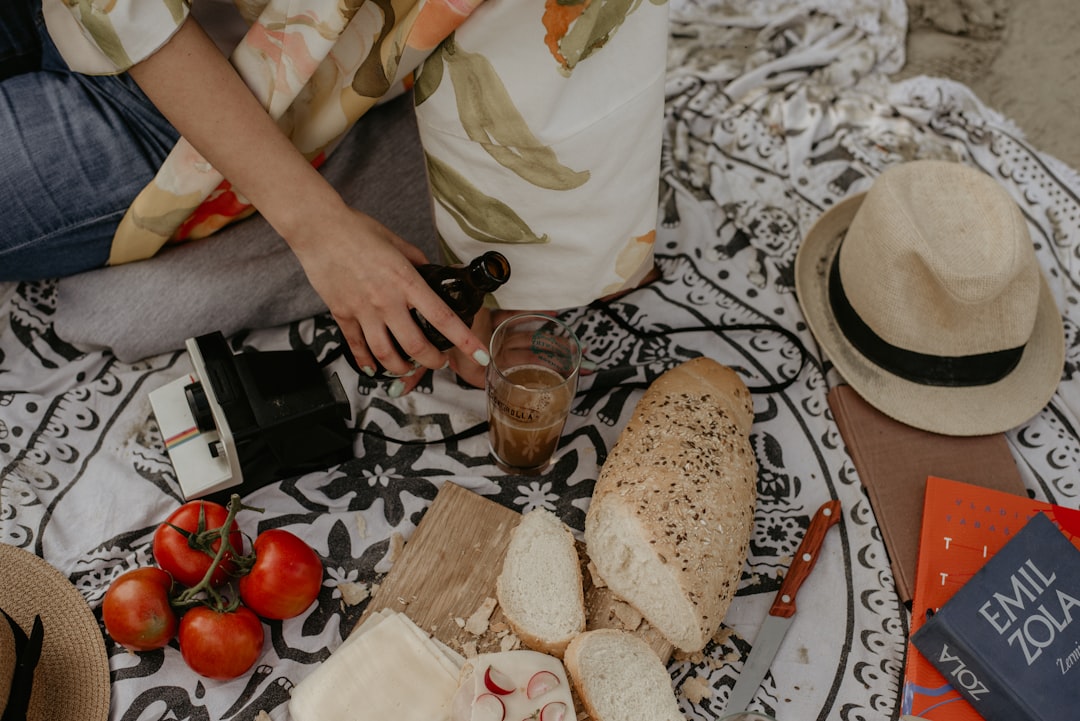
Have you ever planned a trip around a single dish? Or found yourself dreaming of the street food stalls of Bangkok, the pasta of Rome, or the vibrant markets of Mexico City? If so, you’re not alone! Food travel, or culinary tourism, has exploded in popularity, transforming how we experience the world. It’s more than just eating; it’s about connecting with culture, history, and local communities through the universal language of food. Let’s dive into the latest trends and essential tips to make your next food-focused adventure truly epic! 😊
The Rise of Culinary Tourism: Where to Go Now 🤔
The global food tourism market is booming, with projections showing significant growth in the coming years. Travelers are increasingly prioritizing authentic culinary experiences, seeking out local flavors and immersive dining. In 2024, destinations offering unique food experiences continue to draw crowds. According to a report by the World Food Travel Association, culinary tourism is a multi-billion dollar industry, with travelers spending a significant portion of their budget on food and drink. This trend shows no signs of slowing down as more people seek deeper connections to the places they visit.
Beyond traditional foodie hubs, emerging destinations are making their mark. Cities like Lyon, France, are celebrated for their Michelin-starred restaurants and traditional bouchons, offering a taste of authentic French cuisine. Meanwhile, Lima, Peru, has firmly established itself as a global culinary capital, renowned for its innovative fusion cuisine and world-class restaurants like Central and Maido. Travelers are also flocking to regions known for their specific agricultural products, such as the wine regions of Tuscany, Italy, or the coffee plantations of Colombia, to experience the source of their favorite foods and beverages.
The desire for authentic, local experiences is driving the growth of food tourism. Travelers are increasingly interested in farm-to-table dining, cooking classes, and food tours that offer a deeper understanding of local culture and traditions.
Top Culinary Trends & Destinations for 2026 📊
As we look towards 2026, several key trends are shaping the food travel landscape. Sustainability and ethical sourcing are becoming paramount, with travelers seeking out establishments that prioritize local ingredients, minimize waste, and support fair labor practices. Plant-based dining is another significant trend, leading to a rise in vegan and vegetarian food tours and restaurants in popular destinations.
Beyond traditional European and Asian hotspots, regions like the Middle East and North Africa (MENA) are gaining recognition for their rich culinary heritage. Countries like Morocco and Jordan are attracting foodies with their vibrant spices, tagines, and traditional hospitality. Additionally, the focus on indigenous cuisines and lesser-known regional specialties is growing, offering travelers truly unique and off-the-beaten-path culinary adventures.
Emerging Food Travel Destinations (2025-2026 Outlook)
| Region/Country | Key Culinary Attractions | Trend Focus | Why Visit Now |
|---|---|---|---|
| Mexico (Oaxaca, Puebla) | Mole, Tlayudas, Mezcal, Street Food | Authenticity, Indigenous Flavors | Deep dive into pre-Hispanic culinary traditions. |
| Vietnam (Hanoi, Ho Chi Minh City) | Pho, Banh Mi, Fresh Spring Rolls, Coffee | Vibrant Street Food, Culinary Diversity | Affordable, incredibly diverse and fresh flavors. |
| Portugal (Lisbon, Porto) | Pastel de Nata, Bacalhau, Seafood, Port Wine | Mediterranean Diet, Wine Tourism | Rich history, stunning coastlines, and delicious food. |
| South Korea (Seoul, Busan) | Kimchi, Korean BBQ, Bibimbap, Street Food | K-Food Popularity, Fermented Foods | Dynamic food scene from traditional to modern. |
While exploring new cuisines, always be mindful of food safety. Research reputable vendors, especially for street food, and consider travel insurance that covers medical emergencies. It’s always better to be safe than sorry!
Key Checkpoints: Don’t Forget These! 📌
Made it this far? With so much delicious information, it’s easy to forget the essentials. Let’s recap the three most important things to remember for your next culinary adventure.
-
✅
Prioritize Authenticity & Local Experiences
Seek out local markets, family-run eateries, and food tours led by locals to truly immerse yourself in the culture and flavors. -
✅
Embrace Sustainability in Your Choices
Support businesses that source locally and ethically, reducing your environmental impact and contributing positively to the community. -
✅
Stay Safe & Prepared
Always research food safety standards and consider travel insurance to ensure a worry-free culinary exploration.
Smart Food Travel Tips for the Modern Explorer 👩💼👨💻
Navigating a new culinary landscape can be daunting, but with a few smart strategies, you can maximize your food experiences. Don’t be afraid to try street food – often, it’s where you’ll find the most authentic and delicious local flavors. Look for stalls with long lines of locals, as this is usually a good indicator of quality and freshness. Also, learning a few basic phrases in the local language, especially related to ordering food or asking about ingredients, can greatly enhance your experience.
Consider taking a cooking class to truly understand the local cuisine. This hands-on experience allows you to learn traditional techniques and recipes, giving you skills to recreate your favorite dishes back home. Many classes include a market visit, which is an excellent way to learn about local ingredients and interact with vendors. Another great tip is to use food blogs and local guides for recommendations, but also be open to spontaneous discoveries!
Always carry some cash in local currency, especially when exploring street food markets or smaller, independent eateries. Many of these places may not accept credit cards.
Real-World Example: A Culinary Journey Through Bologna, Italy 📚
Let’s imagine Sarah, a passionate food traveler from the US, decided to explore Bologna, Italy, often called Italy’s culinary capital. Her goal was to experience authentic Emilia-Romagna cuisine.
Sarah’s Situation
- **Duration:** 5 days in Bologna, Italy.
- **Interests:** Pasta-making, local cheeses, traditional cured meats, balsamic vinegar.
Her Approach
1) **Market Exploration:** Sarah started her days at Quadrilatero, Bologna’s historic food market, sampling local cheeses like Parmigiano Reggiano and various cured meats. She bought fresh ingredients for a picnic.
2) **Cooking Class:** She booked a pasta-making class where she learned to make tagliatelle and tortellini from scratch, guided by a local nonna (grandmother). This provided an invaluable cultural and culinary insight.
3) **Day Trip:** Sarah took a day trip to Modena to visit an artisanal balsamic vinegar producer, learning about the lengthy aging process and tasting different varieties.
4) **Local Recommendations:** Instead of relying solely on tourist guides, she asked her cooking instructor and local shopkeepers for trattoria recommendations, leading her to hidden gems for authentic Bolognese sauce.
Final Outcome
– **Authentic Experience:** Sarah enjoyed incredibly fresh, locally sourced meals and gained a deep appreciation for the region’s culinary traditions.
– **New Skills:** She returned home with the ability to make fresh pasta and a deeper understanding of Italian ingredients.
Sarah’s experience highlights the value of planning for authentic interactions and embracing local customs. By venturing beyond typical tourist traps, she created lasting memories and truly savored the flavors of Bologna. This is the essence of successful food travel!

Conclusion: Savor Every Moment 📝
Food travel is an incredibly rewarding way to explore the world, offering insights into cultures, traditions, and the very heart of a destination. From bustling street markets to Michelin-starred restaurants, every meal can be an adventure. By staying informed about the latest trends, choosing sustainable options, and embracing local experiences, you can elevate your culinary journeys to new heights.
So, what are you waiting for? Start planning your next delicious escape! Which destination is calling to your taste buds? Share your favorite food travel memories or dream destinations in the comments below – we’d love to hear from you! 😊