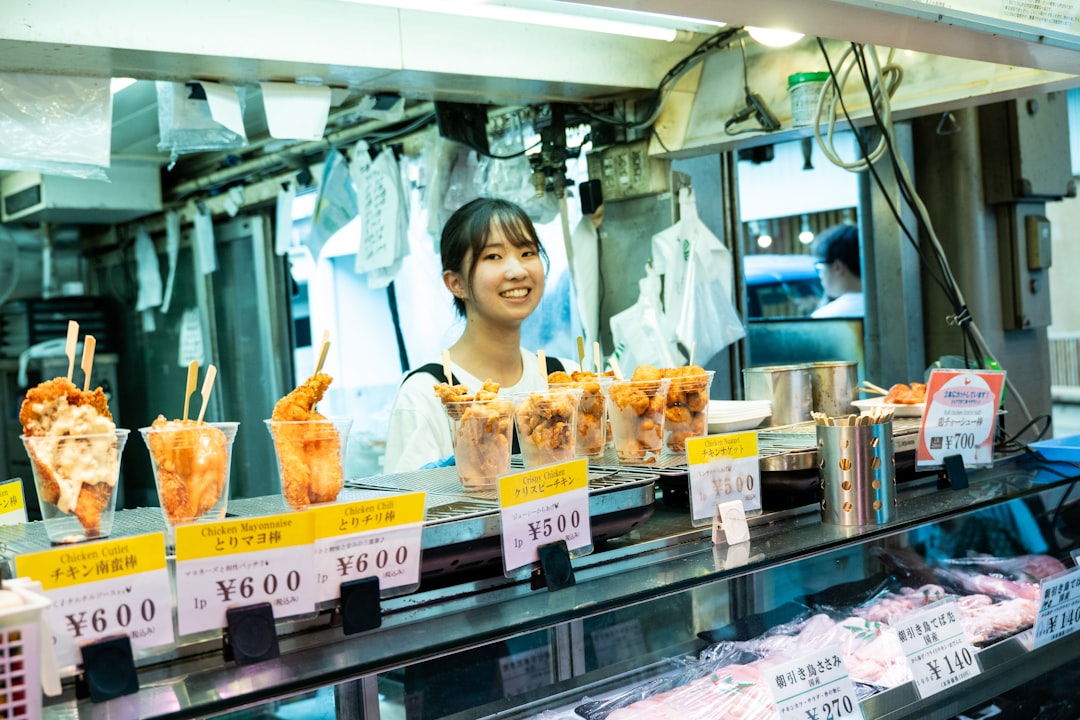
Hey fellow foodies! Have you ever planned an entire trip around what you’re going to eat? If so, you’re definitely not alone! It seems like more and more of us are discovering that the most authentic way to truly understand a destination is through its cuisine. Forget just sightseeing; in 2026, food isn’t just a bonus, it’s often the main event, a deciding factor in choosing where to go next! Research indicates that nearly 80% of travelers now consider cuisine important or very important when picking a destination. That’s huge, right? So, if you’re ready to embark on a delicious journey and make every meal a memory, you’ve come to the right place. Let’s dive into the world of gourmet travel and uncover some incredible tips and destinations for your next adventure! 😊
The Rise of Culinary Tourism: More Than Just Eating Out 🤔
It’s no secret that food tourism has exploded in popularity. It’s evolving beyond just seeking out Michelin-starred restaurants. Modern travelers are increasingly prioritizing authentic experiences, with 64% preferring unique, local culinary adventures over formal fine dining. We’re looking for proximity to culture, for neighborhood spots, bustling market stalls, and regional specialties that tell a story. It’s about tasting the history, understanding the traditions, and connecting with the heart and soul of a place through its food. This shift reflects a broader desire for experiential travel, where meaningful connections take precedence over passive sightseeing.
In fact, research from the World Food Travel Association shows that culinary tourists specifically seek food that reflects the culture and traditions of their destinations. This desire for authenticity is fueling the demand for things like guided food tours, cooking classes, and farm-to-table experiences. We’re even seeing a trend where travelers are buying local snacks and pantry items as souvenirs, bringing a taste of their vacation home with them. These edible mementos become status symbols of the well-traveled, proudly shared on social media.
On average, tourists are now allocating 25% of their total travel budget specifically to food and beverages! This means your dining choices are a significant part of your travel investment.
Top Culinary Destinations to Savor in 2026 📊
So, where should your taste buds take you in 2026? The world is bursting with incredible food scenes, blending tradition with exciting innovation. Here are some of the destinations that are making waves and drawing food lovers from around the globe:
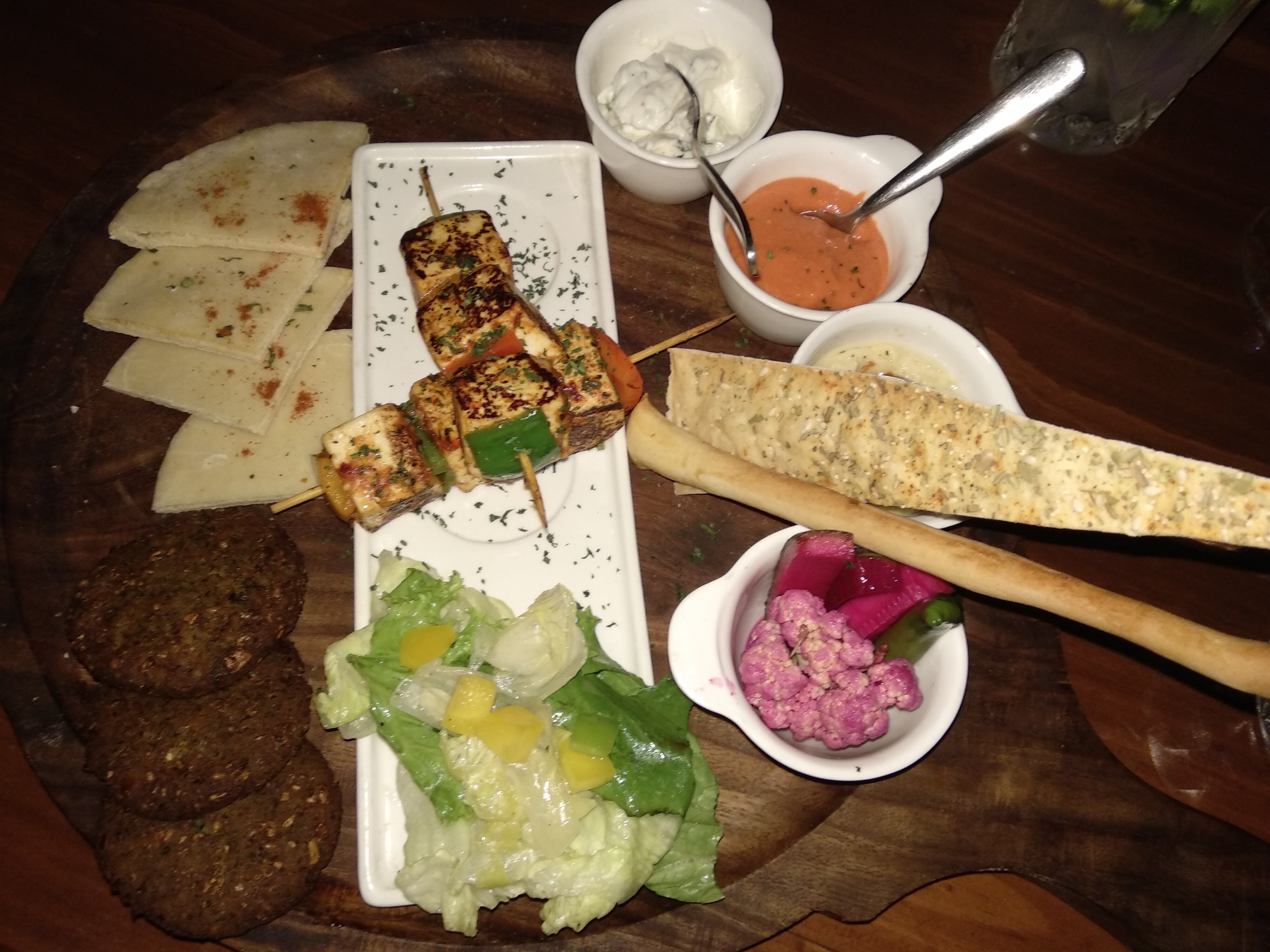
- Tuscany and Umbria, Italy: Italy is always a food lover’s dream, but for 2026, Tuscany and Umbria are highlighted for their authentic farm-to-table dining, rich wine culture, and commitment to slow food. Crete, Greece, is also making a splash as the European Region of Gastronomy for 2026, celebrated for its hyper-local produce and exceptional olive oil.
- Kyoto, Japan: Known for its deeply seasonal cuisine, exquisite Kaiseki dining, and profound tea culture, Kyoto offers a refined culinary experience. Tokyo, with the most Michelin stars in the world, remains a top choice for its obsessive attention to craft, from transcendent ramen to multi-course Kaiseki dinners.
- Lima, Peru: A powerhouse of innovative fine dining and extraordinary culinary fusion, Lima is a must-visit for its ceviche and vibrant food scene.
- Mexico City, Mexico: From historic street food to dynamic markets, Mexico City offers an incredible array of flavors, including tamales, tacos al pastor, and antojitos. It’s truly a street food capital!
- Bangkok, Thailand: Consistently ranked as a top street food city, Bangkok is a paradise for affordable, on-the-go eats, from pad Thai to sizzling skewers. Don’t miss exploring its bustling markets!
- New Orleans, USA: This American city stands out as a culinary destination where food is deeply intertwined with culture, identity, and joy. Its unique blend of French, African, Spanish, and Creole influences creates a flavor profile unlike any other.
- Palermo, Sicily, Italy: Palermo’s street food scene is vividly intertwined with its chaotic, historic markets. Expect delicious chickpea fritters (pannelle), potato croquettes (crocché), and even fried veal spleen sandwiches (pani c’a meusa).
Beyond these, emerging destinations like Cebu in the Philippines, Wrocław in Poland, and Florida in the US are gaining traction with new Michelin Guide selections, showcasing their rich and evolving culinary identities. Even cities like Boston and Medellín are recognized for their transforming food scenes. The key is to seek out places where food is deeply rooted in local culture.
Culinary Trends Shaping 2026 Travel
| Trend | Description | Impact on Travelers |
|---|---|---|
| Hyper-Localism & Sustainability | Menus featuring hyper-local ingredients, region-specific recipes, and farm-to-table sourcing. Focus on reducing food waste and supporting indigenous agriculture. | More authentic tastes, support for local economies, reduced environmental footprint. |
| Char, Smoke & Flame | Chefs are using fire to bring out the clearest expression of flavors, often in a direct, no-frills way. | Exciting, primal flavors and a dynamic dining experience. |
| Bitterness & Depth (Umami) | A growing emphasis on bitter notes and umami flavors, deepening the overall taste of dishes. | More complex and satisfying flavor profiles in cuisine. |
| Edible Souvenirs & Pantry Art | Travelers buying local snacks, condiments, and design-led kitchenware as souvenirs. | Relive travel experiences at home, support regional makers, and bring home unique “pantry art.” |
While it’s tempting to try everything, be mindful of food safety, especially with street food. Look for stalls with long lines of locals and good hygiene practices. Your stomach will thank you!
Mastering the Art of Food Travel: Essential Tips & Tricks 📌
You’ve picked your destination, and your mouth is already watering. But how do you ensure your gourmet journey is truly unforgettable? Here are some essential tips to elevate your food travel experience:
-
✅
Do Your Culinary Homework:
Before you go, research local cuisine, must-try dishes, regional specialties, and what’s grown or produced locally. This helps you know what to expect and order, especially with language barriers. -
✅
Ask the Locals:
This is perhaps the most practical tip! Ask your hotel concierge, tour guides, or even friendly shopkeepers for their favorite spots. Locals know the hidden gems and authentic eateries that guidebooks often miss. -
✅
Embrace Food Tours & Cooking Classes:
These experiences offer hands-on learning, access to local expertise, and a deeper cultural immersion. You’ll gain new techniques and authentic recipes to recreate at home.
Beyond the Plate: Sustainable and Ethical Food Experiences 👩💼👨💻
As our awareness of tourism’s environmental and social impact grows, so does the rise of the eco-conscious traveler. Many of us want our adventures to leave a positive footprint, and food tourism can be a powerful way to do just that. Sustainable food tourism means conscious travel through local, seasonal, or ethically produced food. It’s about connecting with local producers, small-scale farms, and chefs who prioritize sustainability.
This trend is about supporting local farming, biodiversity, and soil protection, as well as preserving cultural food heritage. It also encourages ethical consumption and carbon-neutral travel alternatives. Hotels, cruise lines, and destinations are increasingly responding to this demand by implementing regenerative farming, circular food chains, and zero-waste initiatives.
Look for restaurants recognized with a Michelin Green Star. These establishments champion eco-friendly practices like sourcing local, seasonal produce, reducing food waste, and prioritizing ethical farming and fishing.
Real-World Example: A Sustainable Culinary Journey to Crete 📚
Let’s imagine a traveler, Sarah, embarking on a sustainable food adventure to Crete, Greece, which is the European Region of Gastronomy for 2026.
Sarah’s Situation
- Goal: Experience authentic Cretan cuisine while minimizing environmental impact and supporting local communities.
- Challenges: Avoiding tourist traps, finding truly local and sustainable options.
Sarah’s Approach
1) Research & Local Connections: Before her trip, Sarah researched Cretan dishes like dakos and sought out local food bloggers and sustainable travel forums. Once there, she asked her eco-friendly guesthouse host for recommendations on farmers’ markets and family-run tavernas.
2) Immersive Experiences: Instead of just eating out, Sarah booked a cooking class focusing on traditional Cretan recipes, learning to prepare dishes with locally sourced olive oil and produce. She also visited a small, organic olive farm, seeing firsthand how the island’s renowned olive oil is made.
3) Mindful Consumption: Sarah prioritized eating at establishments that advertised farm-to-table practices and minimized food waste. She carried reusable bags for market purchases and a water bottle to avoid single-use plastics.
Final Result
– Authentic Tastes: Sarah savored revelatory dakos, fresh seafood, and rich, local wines, all while knowing she was supporting local producers.
– Meaningful Connections: She connected with local chefs, farmers, and fellow travelers, gaining a deeper appreciation for Cretan culture and its culinary heritage. Her experience was richer than just dining out; it was about participating in the local food ecosystem.
Sarah’s journey highlights how combining thorough research, engaging in immersive experiences, and practicing mindful consumption can transform a simple food trip into a deeply enriching and responsible culinary adventure. It’s about tasting the world in a way that truly matters.
Wrapping Up: Your Culinary Journey Awaits! 📝
So there you have it, fellow food explorers! The world of culinary travel in 2026 is more exciting and diverse than ever. From the Michelin-starred streets of Tokyo to the vibrant street food markets of Bangkok, and the sustainable farm-to-table experiences in Tuscany, there’s a feast for every palate and a story behind every dish. Remember, food is a powerful gateway to culture, a way to connect with people and places on a deeper level.
Don’t just eat to live; live to eat, and let your taste buds guide your next adventure. Plan smart, eat adventurously, and always seek out those authentic, local flavors. If you have any questions about planning your next gourmet getaway or want to share your favorite food travel experiences, please drop a comment below! I’d love to hear from you! 😊