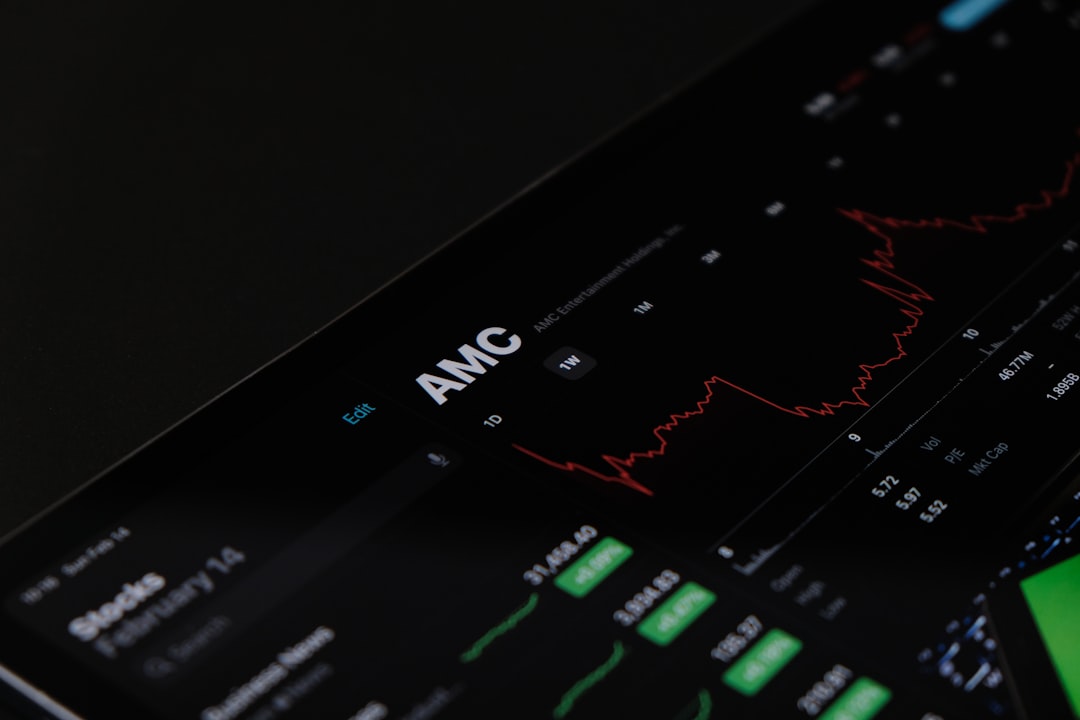
Have you ever felt frustrated watching stock prices fluctuate, wishing you could capture those quick gains without committing to long-term holds or the frantic pace of day trading? Many aspiring traders find themselves in this exact dilemma. The good news is, there’s a powerful strategy designed to do just that: swing trading. It’s a method that allows you to profit from the “swings” in a stock’s price over a few days or weeks, offering a sweet spot between rapid-fire day trading and slow-burn investing. Ready to dive in and learn how to navigate the markets effectively? Let’s go! 😊
What Exactly is Swing Trading? 🤔
Swing trading is a popular stock trading strategy that involves holding a position for more than one day but typically no longer than several weeks or a few months. The primary goal is to capture short-to-medium term gains from price swings or “swings” in the market. Unlike day traders who close all positions before the market closes, swing traders often hold positions overnight to capitalize on price gaps or continued momentum. This makes it a more flexible approach for those who can’t dedicate their entire day to monitoring the markets.
It’s fundamentally about identifying potential price movements, often using technical analysis, and entering trades at the beginning of a swing and exiting before it reverses. This means paying close attention to charts, patterns, and various indicators to predict where a stock’s price might be headed next.
Swing trading can be less stressful than day trading due to its longer holding periods, giving you more time to analyze and react. However, it still requires consistent monitoring and a solid understanding of market dynamics.
Key Principles and Indicators for 2026 📊
Successful swing trading in 2026, especially with continued market volatility and the rise of algorithmic trading, hinges on mastering technical analysis and understanding key indicators. Analysts predict continued market volatility in 2026, driven by geopolitical tensions and evolving economic policies, creating fertile ground for swing traders.
The core of swing trading relies on identifying trends and reversals. Technical indicators are your best friends here, helping you spot potential entry and exit points. While classic indicators like Moving Averages (MA), Relative Strength Index (RSI), and Moving Average Convergence Divergence (MACD) remain fundamental, their efficacy is enhanced when combined with volume analysis and real-time news sentiment.
Comparing Trading Styles
| Category | Swing Trading | Day Trading | Long-Term Investing |
|---|---|---|---|
| Holding Period | Days to Weeks | Within a Single Day | Months to Years |
| Frequency | Moderate | High | Low |
| Risk Level | Medium | High | Low to Medium |
| Main Focus | Price Swings | Intraday Movements | Company Growth |
While swing trading offers profit potential, it also comes with risks, especially due to overnight holding. Unexpected news or market shifts can lead to significant losses. Always use stop-loss orders!
Key Checkpoints: Don’t Forget These! 📌
Made it this far? Great! With a lot of information, it’s easy to forget the essentials. Let’s recap the three most crucial points you need to remember.
-
✅
Risk Management is Paramount
Always define your risk tolerance and use stop-loss orders to protect your capital. Never risk more than you can afford to lose. -
✅
Combine Indicators for Confirmation
Don’t rely on a single indicator. Use multiple technical tools, alongside volume and market sentiment, to confirm your trade signals. -
✅
Stay Informed & Adapt
Market conditions are dynamic. Keep up with news, economic reports, and technological advancements like AI in trading to adapt your strategy.
Current Trends & Market Insights for 2026 👩💼👨💻
The trading landscape is constantly evolving, and 2026 is no exception. We’re seeing significant shifts that impact swing traders. The increased adoption of algorithmic trading tools and AI-powered analytics is a significant trend, allowing traders to identify patterns and execute trades faster. However, human discretion and adaptability remain crucial, as AI models can struggle with unforeseen black swan events.
The CBOE Volatility Index (VIX) has shown elevated levels throughout late 2025 and early 2026, indicating a market ripe with short-to-medium term price movements. This heightened volatility can be a double-edged sword: it presents more opportunities for price swings but also increases risk. Furthermore, sector rotation, particularly in tech and renewable energy, offers frequent swing opportunities.

*Staying informed about market trends is crucial for successful swing trading.
While AI tools offer advantages, they are best used as aids, not replacements for your own analysis and risk management strategy. Always understand the underlying logic of your trades.
Practical Example: A Hypothetical Swing Trade 📚
Let’s walk through a simplified hypothetical swing trade to illustrate the process. Imagine it’s early June 2026, and you’re watching “Tech Innovations Inc.” (TIN), a mid-cap tech stock.
Trader’s Situation
- Observation: TIN stock has been in a downtrend for two weeks, but now the Relative Strength Index (RSI) is showing it’s oversold (below 30), and it’s approaching a key support level identified by previous price action.
- Confirmation: Volume has started to pick up on a green candle, and the MACD line is showing signs of crossing above its signal line.
Trading Process
1) **Entry:** You decide to enter a long position (buy) at $50 per share, anticipating a bounce from the support level.
2) **Stop-Loss:** You set a stop-loss order at $48, limiting your potential loss to $2 per share if the trade goes against you.
3) **Take-Profit:** You identify a previous resistance level at $55 as your target, aiming for a $5 gain per share.
4) **Execution:** Over the next few days, TIN bounces as expected, driven by positive sector news and continued buying volume.
Final Outcome (Hypothetical)
– **Exit:** TIN reaches $54.80, just shy of your $55 target. You decide to exit the trade to lock in profits, as the RSI is now approaching overbought territory, and you notice selling pressure increasing.
– **Result:** You secure a gain of approximately $4.80 per share, minus commissions. This successful swing trade capitalized on the stock’s short-term upward movement.
This example highlights the importance of identifying key levels, using multiple indicators for confirmation, and, most critically, having a clear exit strategy (both for profit and loss) before entering a trade. Discipline is your greatest asset in swing trading.
Conclusion: Summarizing Key Takeaways 📝
Swing trading offers a compelling path to potentially profitable short-to-medium term gains in the stock market. By understanding market volatility, leveraging technical analysis, and implementing strict risk management, you can position yourself to capitalize on those inevitable price swings.
Remember, while the allure of quick profits is strong, consistency and discipline are what truly drive success. Continuous learning and adapting your strategy to the dynamic market conditions of 2026 will be key. If you have any questions or want to share your swing trading experiences, please leave a comment below! 😊