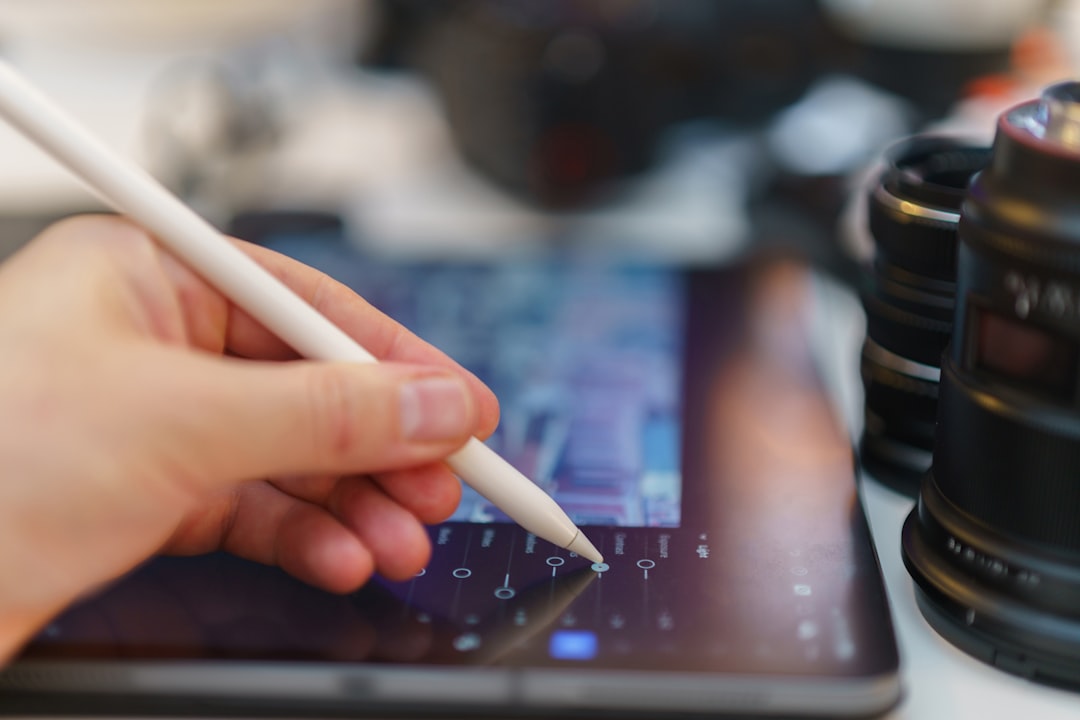
Have you ever found yourself staring at a blank canvas, a blinking cursor, or a silent DAW, wishing for a spark of inspiration? In today’s fast-paced creative world, the pressure to innovate and produce can be immense. But what if that spark could come from an unexpected partner – Artificial Intelligence? The AI revolution isn’t just for tech giants anymore; it’s profoundly reshaping creative industries, from generating stunning visuals to composing intricate musical pieces and drafting compelling narratives. Let’s explore how AI is becoming an indispensable tool, a collaborator, and sometimes, a controversial topic in the creative realm. Join me as we uncover the exciting, and sometimes daunting, future of creativity with AI! 😊
The Rise of Generative AI: A New Creative Partner 🤔
Generative AI, the branch of artificial intelligence capable of producing new content like images, text, and audio, has moved from a niche concept to a mainstream phenomenon. Just a few years ago, AI-generated art was a novelty; now, it’s a rapidly evolving field with tools accessible to everyone. This technology works by learning patterns from vast datasets and then using that knowledge to create original outputs.
Understanding generative AI is crucial for any creator today. It’s not just about automating tasks; it’s about extending the possibilities of what can be created. Whether you’re a graphic designer looking for quick concept variations or a writer battling writer’s block, AI offers new avenues for exploration and efficiency. We’re seeing an unprecedented acceleration in its capabilities, making it a game-changer for creative workflows.
Generative AI is projected to be a significant driver of economic growth. According to recent forecasts, the global generative AI market size is expected to reach over $50 billion by 2028, with a substantial portion dedicated to creative content generation.
Current Trends & Statistics: AI’s Footprint in Creative Fields 📊
The integration of AI into creative industries is not just theoretical; it’s happening right now, with measurable impacts across various sectors. From fine art to commercial design, AI tools are redefining processes and outcomes. Here’s a look at some of the latest trends and statistics.
In digital art and graphic design, AI models like Midjourney and DALL-E continue to push boundaries, enabling artists to generate complex scenes and styles with simple text prompts. A recent survey from late 2025 indicated that over 40% of digital artists now use AI tools at some stage of their creative process. This isn’t about replacing human artists, but empowering them to iterate faster and explore concepts previously too time-consuming.
AI Adoption in Creative Sectors (2025-2026 Projections)
| Sector | Primary AI Use | Estimated Adoption Rate (2026) | Key Impact |
|---|---|---|---|
| Digital Art & Design | Concept generation, style transfer, image editing | ~45% | Accelerated ideation, enhanced visual effects |
| Music Composition | Melody generation, orchestration, sound design | ~20% | New sonic landscapes, personalized music |
| Content Writing & Marketing | Drafting, editing, SEO optimization, summarization | ~60% | Increased efficiency, scalable content production |
| Film & Video Production | Script analysis, VFX, deepfake generation, scene planning | ~30% (growing) | Streamlined post-production, innovative storytelling |
In the music industry, AI tools are helping composers break creative blocks and even generate entire instrumental tracks. Platforms like AIVA and Amper Music are gaining traction, enabling artists to experiment with genres and styles they might not be familiar with. Similarly, for writers and marketers, Large Language Models (LLMs) have become indispensable for drafting content, brainstorming ideas, and optimizing for SEO. The efficiency gains are undeniable, allowing creators to focus more on strategic thinking and less on repetitive tasks.
While AI offers immense benefits, the ethical considerations, particularly around copyright and the origin of training data, remain a hot topic. Always verify the terms of service for AI tools and consider the ethical implications of your work.
Key Checkpoints: Remember These Essentials! 📌
Have you followed along well so far? This article might be long, so let’s recap the most important points you absolutely need to remember. Please keep these three things in mind:
-
✅
AI is a Tool, Not a Replacement
AI’s primary role is to augment human creativity, automate mundane tasks, and offer new possibilities, not to entirely replace human creators. -
✅
Embrace Lifelong Learning & Adaptation
Staying updated with the latest AI tools and trends is essential for creators to remain competitive and innovative in their fields. -
✅
Understand Ethical and Legal Implications
Creators must be aware of copyright, data privacy, and ethical considerations surrounding AI-generated content and its training data.
Opportunities for Creators: Enhancing Human Creativity 👩💼👨💻
The integration of AI into creative workflows presents a wealth of opportunities for artists, designers, writers, and musicians. Far from being a job destroyer, AI can be a powerful enhancer of human creativity. One of the biggest advantages is efficiency. AI can automate repetitive and time-consuming tasks, freeing up creators to focus on higher-level conceptualization and refinement.
Imagine a graphic designer who can generate dozens of logo variations in minutes, or a musician who can instantly hear their melody orchestrated in various styles. AI also democratizes access to advanced creative tools, allowing individuals without extensive technical skills to produce high-quality content. This fosters innovation and lowers the barrier to entry for aspiring creators. Furthermore, AI can serve as an invaluable brainstorming partner, suggesting new ideas, styles, and directions that human creators might not have considered.

*Image: A creator leveraging AI tools to enhance their digital art workflow.
Develop “prompt engineering” skills. Learning how to effectively communicate with AI models through precise and creative prompts is becoming a highly valuable skill in the creative industry.
Addressing the Challenges: Ethics, Copyright, and Job Displacement 📚
While the opportunities are vast, the AI revolution also brings significant challenges that creators and industries must address. One of the most pressing concerns revolves around ethics and copyright. Who owns the copyright to AI-generated art? What about the artists whose work was used to train these AI models without explicit consent or compensation? These questions are actively being debated in courts and legislative bodies worldwide.
Another major concern is job displacement. While AI creates new roles, it also automates tasks previously performed by humans, leading to anxieties about job security in creative fields. However, many experts believe the future lies in human-AI collaboration, where AI handles the routine, and humans focus on the unique, strategic, and emotionally intelligent aspects of creativity. The key is adaptation and upskilling.
The potential for misuse, such as the creation of convincing deepfakes or the spread of misinformation, also poses a serious ethical dilemma. As AI tools become more sophisticated, the need for robust ethical guidelines and regulatory frameworks becomes increasingly critical. Creators must be mindful of these broader societal impacts as they integrate AI into their practices.
Case Study: AI in a Marketing Agency
- **Situation:** A small marketing agency struggled to produce high volumes of diverse ad copy and social media visuals for its clients within tight deadlines.
- **Challenge:** Hiring more copywriters and graphic designers was costly and time-consuming, limiting their ability to scale.
Implementation Process
1) Adopted an AI-powered content generation platform for initial ad copy drafts and social media captions.
2) Integrated an AI image generator to create multiple visual concepts for campaigns, which human designers then refined.
3) Trained existing staff on prompt engineering and AI tool integration, shifting their focus to strategy and quality control.
Final Results
– **Content Production:** Increased output by 200% with the same team size.
– **Efficiency:** Reduced time spent on initial drafts and concept generation by 50%.
– **Client Satisfaction:** Able to offer more diverse and personalized content to clients, leading to higher satisfaction and retention.
This case study illustrates how AI, when strategically implemented, can lead to significant improvements in productivity and creative output without necessarily leading to mass job losses. Instead, it transforms roles and emphasizes collaboration.
Wrapping Up: Key Takeaways 📝
The AI revolution in creative industries is not a distant future; it’s our present. We’ve seen how generative AI is transforming everything from digital art to content writing, offering incredible opportunities for efficiency, innovation, and enhanced creativity. While challenges around ethics, copyright, and job evolution certainly exist, understanding and adapting to these changes is key to thriving in this new landscape.
Embracing AI as a powerful tool, honing your prompt engineering skills, and staying informed about ethical considerations will position you at the forefront of this exciting creative frontier. Don’t be afraid to experiment, learn, and redefine what it means to be a creator in the age of AI. If you have any questions or want to share your own experiences with AI in creativity, please leave a comment below! 😊
AI in Creativity: Quick Summary
Frequently Asked Questions ❓
Copyright © 2025 QHost365.com ®