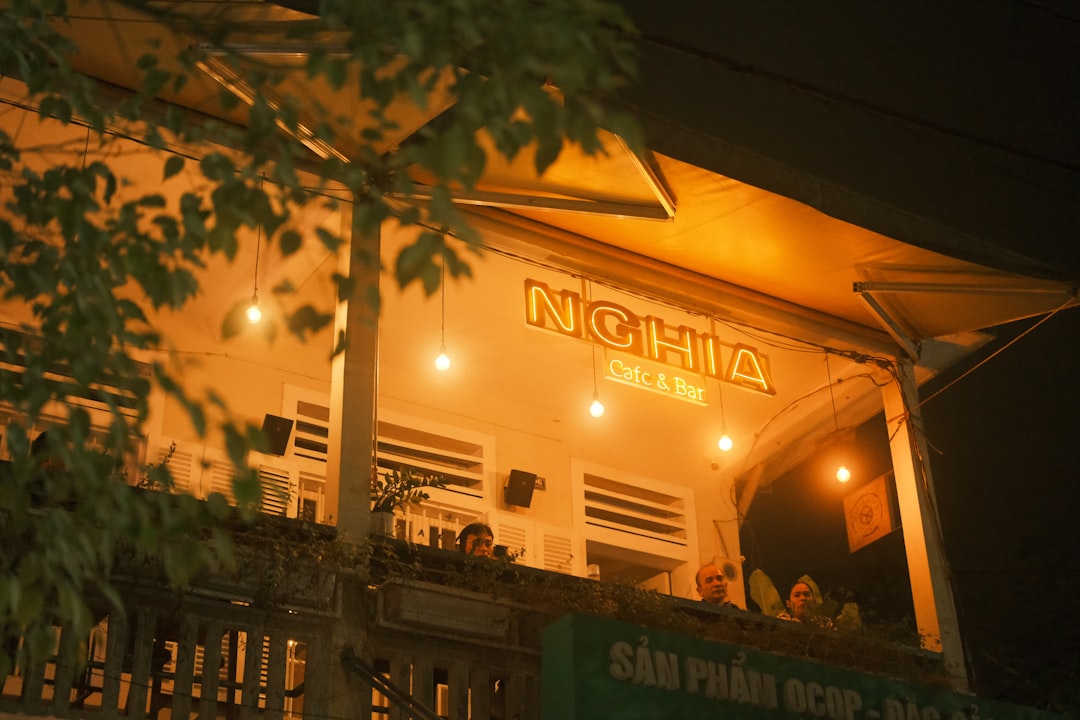
Have you ever planned an entire trip around a single dish? Or found yourself wandering down a bustling street, guided only by the tantalizing aromas wafting from local stalls? If so, you’re not alone! In 2026, food isn’t just a part of travel; it’s often the main event. Culinary tourism is booming, with nearly 80% of travelers now considering food and beverage important or very important when choosing a destination. This isn’t just about Michelin-starred dining, either. It’s about discovering culture through cuisine, savoring street food, and connecting with local traditions. So, pack your bags (and an empty stomach!) as we dive into the delicious world of global foodie adventures. 😊
The Rise of Culinary Travel: Trends Shaping 2026 🤔
The way we travel for food is constantly evolving. What was once a niche interest has now become a mainstream phenomenon. The global culinary tourism market was valued at USD 1,248.2 billion in 2025 and is projected to reach USD 4,258.3 billion by 2034, expanding at a compound annual growth rate (CAGR) of 14.17% from 2026 to 2034. This incredible growth is fueled by several key trends:
- Experiential Travel: Travelers are no longer satisfied with passive sightseeing. They crave immersive experiences that allow them to engage with local food cultures. This includes cooking classes, guided market visits, and farm-to-table meals.
- Hyper-Localism: There’s a strong desire to connect directly with a destination’s unique flavors and terroir. Eating where food is sourced not only reduces transport emissions but also preserves local traditions and offers an authentic dining experience.
- Street Food Dominance: Forget traditional fine dining! 66% of travelers report being most excited by street food, and 64% prefer unique, local experiences over Michelin-starred restaurants. This highlights a shift towards more accessible and authentic culinary discoveries.
- Sustainable Culinary Travel: As we move into 2026, culinary travel is increasingly embracing sustainability. Travelers are seeking eco-gourmet tours, plant-based adventures, and community-focused food journeys, prioritizing local, seasonal ingredients and minimizing waste.
- AI in Travel Planning: While AI is excellent for big-picture decisions and itinerary building (56% of U.S. leisure travelers used AI for at least one trip in 2026), it’s still “consistently unreliable” for hyper-local, frequently changing food details like restaurant hours or truly authentic recommendations. Human expertise remains crucial for finding those hidden culinary gems.
According to an American Express survey, 81% of travelers look forward to food experiences abroad, with the highest interest in discovering local restaurant scenes (54%) and food festivals (46%).
Top Culinary Destinations to Savor in 2026 📊
With so many incredible places to explore, choosing a destination can be tough. Here are some of the world’s leading foodie hotspots making waves in 2026, offering diverse and unforgettable culinary experiences:
European Delights
- Tuscany and Umbria, Italy: Renowned for farm-to-table dining, exceptional olive oil, hand-rolled pasta, and world-class wines. Italy is having a banner year for food travelers in 2026.
- Venice, Italy: Experiencing a culinary renaissance with new luxury hotel and restaurant openings, showcasing its famous lagoon cuisine and boasting over 60 Michelin Guide restaurants.
- Barcelona, Spain: A vibrant city famous for its tapas culture, fresh seafood, bustling markets, and an impressive array of Michelin-starred restaurants.
- Crete, Greece: A haven for Mediterranean food culture, celebrated for its olive oil, hyper-local produce, and wine.
- Czechia: Gaining attention with its first nationwide Michelin Guide, highlighting diverse culinary offerings from Prague to South Moravia.
Asian Gastronomy
- Kyoto, Japan: Known for its kaiseki dining, a multi-course tradition centered around seasonal ingredients prepared with exquisite precision. Japan’s regional food culture continues to draw global attention.
- Bangkok, Thailand: A sizzling street food hub where you can wander through night markets for spicy papaya salad, rich pad thai, and crispy pork belly. Thailand’s 2026 Michelin Guide recognized 137 restaurants with Bib Gourmand distinctions.
- Osaka, Japan: Often called “Japan’s Kitchen,” famous for savory okonomiyaki pancakes and piping hot takoyaki.
- Jiangsu Province, China: An affordable yet refined food destination, with cities like Suzhou and Nanjing offering garden cuisine and classical techniques.
Americas & Beyond
- Lima, Peru: At the cutting edge of gastronomy, blending traditional Andean ingredients with modern culinary techniques, famous for ceviche and innovative fine dining.
- Mexico City, Mexico: A vibrant destination for authentic al pastor tacos, incredible salsas, and fresh churros, with diverse dining options from street food to award-winning restaurants.
- New Orleans, USA: A unique culinary destination where food is culture, identity, and joy, blending French, African, Spanish, and Creole influences. 2026 is a particularly good year to visit.
- Vancouver, Canada: A global stage for culinary strength, boasting pristine seafood, Asian influences, and emerging Indigenous cuisine, especially vibrant in summer 2026 as a World Cup host city.
- Cape Town, South Africa: A rich food culture marrying European influences with African roots, offering diverse dishes from Cape Malay specialties to traditional African fare.
While AI can inspire your travel plans, be sure to cross-reference details like restaurant opening hours and specific recommendations. AI tools can sometimes provide inaccurate or generic information, especially for hyper-local and rapidly changing details.
Key Checkpoints: Don’t Forget These! 📌
You’ve come this far, haven’t you? With so much to digest, here’s a quick recap of the most crucial takeaways. Make sure to keep these three points in mind as you plan your delicious journey!
-
✅
Embrace Local Experiences:
Beyond Michelin stars, seek out local markets, street food stalls, and family-run eateries for the most authentic cultural immersion. -
✅
Prioritize Sustainability:
Choose destinations and dining options that support local producers and minimize environmental impact. -
✅
Verify Information:
While AI is a great starting point, always double-check details like hours and specific recommendations with human sources or local guides.
Mastering Food Travel: Practical Tips & Tricks 👩💼👨💻
Now that you’re inspired, let’s talk practicalities. Here are some golden tips to make your culinary journey seamless and truly unforgettable. These strategies will help you eat like a local, not just a tourist.
- Do Your Research (But Stay Flexible): Look up local specialties, food markets, and highly-rated eateries. However, leave room for spontaneity! Some of the best discoveries happen when you stumble upon a hidden gem.
- Take a Food Tour: Guided food tours are an excellent way to dive deep into local cuisine. Local guides provide insights into traditions, ingredients, and hidden gems that you might miss on your own. Many companies like Secret Food Tours offer curated experiences in major cities.
- Visit Local Markets: This is where you’ll find the freshest ingredients and get a true sense of local life. Don’t be afraid to ask vendors for recommendations!
- Enroll in a Cooking Class: Learning to prepare local dishes is a fantastic way to connect with the culture and bring a piece of your culinary adventure home.
- Eat Street Food: Often the most authentic and affordable way to experience local flavors. Just observe where the locals are eating – a long line is usually a good sign!
- Learn Basic Phrases: A few words in the local language, especially “hello,” “please,” “thank you,” and “delicious,” can go a long way in enhancing your interactions and showing respect.
- Be Adventurous: Step out of your comfort zone and try new things! Some of the most memorable meals come from unexpected places.
- Prioritize Locally Sourced Food: Seek out restaurants that emphasize local and seasonal ingredients. This supports local businesses and reduces your environmental footprint.
- Stay Hydrated: Especially when exploring bustling markets or trying spicy dishes, always carry a reusable water bottle.
- Consider Dietary Restrictions: If you have allergies or dietary preferences, research how to communicate these in the local language or consider custom culinary journeys that cater to your needs.
Travelers are allocating an average of 25% of their total travel budget specifically to food and beverages in 2026. This shows how central food has become to the overall travel experience.
Case Study: A Sustainable Culinary Journey in Southeast Asia 📚
Let’s imagine a traveler, Sarah, who wanted to explore the vibrant food scene of Southeast Asia with a focus on sustainability and authentic local connections. Here’s how she planned her trip to Thailand and Vietnam in early 2026:
Sarah’s Situation
- Destination: Bangkok, Thailand & Hanoi, Vietnam
- Focus: Street food, cooking classes, local markets, sustainable practices.
- Duration: 14 days (7 in each country).
Planning Process
1) **Research & Booking:** Sarah used a combination of travel blogs, sustainable tourism websites, and AI tools (for initial inspiration and flight searches) to identify eco-certified accommodations and highly-rated local food tours in Bangkok and Hanoi. She then cross-referenced details with recent reviews.
2) **Local Immersion:** In Bangkok, she booked a “Secret Food Tour” that focused on hidden street food gems and a cooking class specializing in Northern Thai cuisine. She also visited the Or Tor Kor Market to see local produce and spices.
3) **Sustainable Choices:** Sarah actively sought out restaurants with “farm-to-table” practices and chose locally-owned guesthouses. She carried a reusable water bottle and a travel utensil kit to minimize waste during her street food explorations.
Final Results
– **Authentic Experiences:** Sarah enjoyed truly local dishes like spicy papaya salad and khao soi in Thailand, and world-famous pho and banh xeo in Vietnam, all while engaging with local chefs and vendors.
– **Meaningful Connections:** Through cooking classes and market visits, she learned about the cultural significance of food and felt a deeper connection to the places she visited.

Sarah’s journey highlights that with a little planning and a commitment to authentic, sustainable choices, culinary travel can be incredibly rewarding. It’s about more than just eating; it’s about experiencing the heart and soul of a destination through its flavors.
Conclusion: Your Next Edible Adventure Awaits! 📝
As we’ve explored, culinary tourism in 2026 is all about authentic experiences, local connections, and sustainable practices. From the bustling street food stalls of Bangkok to the refined kaiseki dining in Kyoto, the world is a smorgasbord of flavors waiting to be discovered. So, what are you waiting for? Start planning your next food-centric adventure, embrace the local culture, and let your taste buds lead the way!
Which destination is calling your name for a food adventure? Share your thoughts and questions in the comments below! 😊
Culinary Travel Snapshot 2026
Frequently Asked Questions ❓