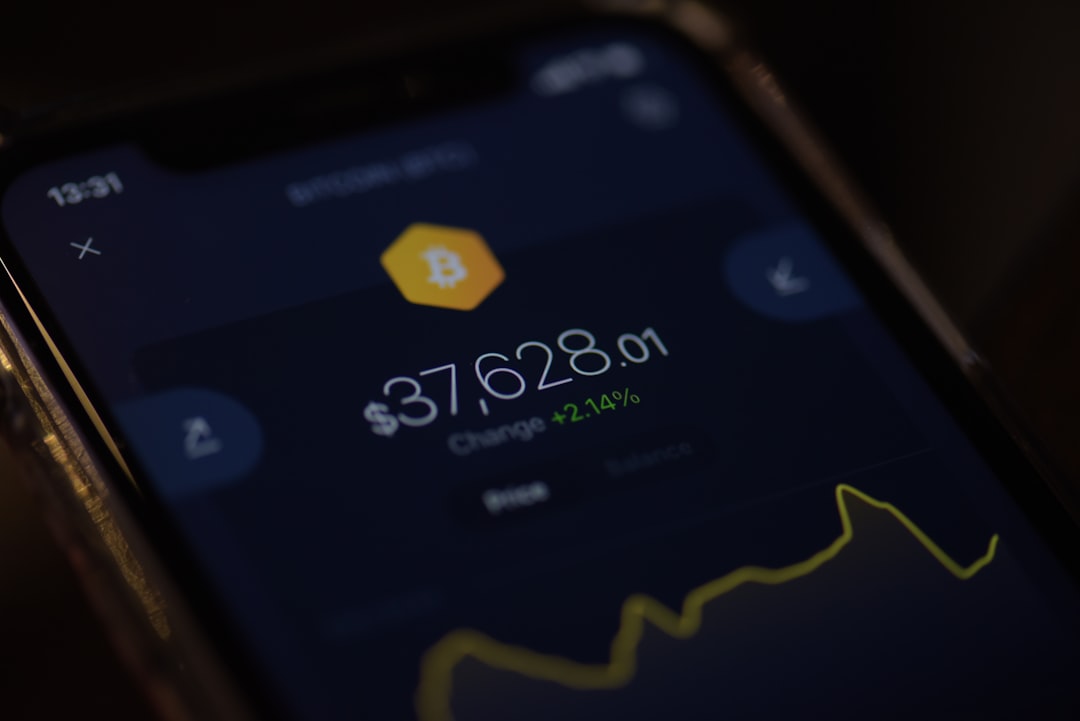
Have you ever felt the thrill of crypto gains only to experience the gut-wrenching plunge of a market correction? We’ve all been there. The cryptocurrency market, while offering immense potential, is notorious for its volatility. Trying to “time the market” – buying at the absolute bottom and selling at the peak – is a dream for many, but a reality for very few. It’s a high-stress game that often leads to emotional decisions and missed opportunities. But what if there was a simpler, more disciplined approach? Today, we’re diving deep into one of the most effective strategies for long-term crypto investors: Dollar-Cost Averaging (DCA). Let’s explore how you can use it to your advantage in 2026! 😊
What Exactly is Dollar-Cost Averaging (DCA)? 🤔
At its core, Dollar-Cost Averaging (DCA) is a straightforward investment strategy where you invest a fixed amount of money into an asset at regular intervals, regardless of its current price. Instead of making one large lump-sum purchase, you spread your investments over time. For example, you might decide to invest $100 into Bitcoin every week or $500 every month. The beauty of DCA is that it removes the pressure of trying to predict market movements, which, let’s be honest, is nearly impossible in crypto.
When the price of your chosen cryptocurrency is low, your fixed dollar amount buys more units of that crypto. Conversely, when the price is high, it buys fewer units. Over time, this process helps to average out your purchase price, potentially reducing the overall impact of short-term price fluctuations on your investment.
DCA doesn’t guarantee profits or protect against losses if the asset’s value declines overall. Its primary benefit is smoothing out entry points and reducing the risk associated with buying at a market peak.
Why DCA is Your Crypto Superpower in 2026 📊
The year 2026 continues to highlight the unique advantages of DCA, especially in the evolving crypto landscape. Here’s why this strategy is more relevant than ever:
- Taming Volatility: Crypto markets are known for extreme price swings. Bitcoin, for instance, can move 20% in a week. DCA helps smooth out these drastic fluctuations, preventing you from putting all your capital in at an unfavorable peak. This is particularly valuable given that allocators are “holding through volatility” in 2026.
- Removing Emotion: Fear of missing out (FOMO) and fear, uncertainty, and doubt (FUD) often lead to impulsive and poor investment decisions. DCA takes the emotion out of investing by automating your purchases, allowing you to stick to your plan regardless of market sentiment.
- Budget-Friendly: If you have a predictable income, DCA fits perfectly into your budget. You can allocate a fixed portion of your salary to crypto automatically, making investing accessible even with smaller amounts.
- Consistency is Key: The hardest part of investing isn’t picking the right asset, but consistently investing. Automation with DCA builds this discipline for you.
Recent studies even show that while lump-sum investing historically outperforms DCA in traditional markets (roughly two-thirds of the time), crypto’s extreme volatility makes the comparison messier. DCA significantly reduces the risk of buying at a peak and provides psychological comfort, making it particularly valuable for volatile assets like crypto.
DCA vs. Lump Sum: A 2026 Perspective
| Strategy | Description | Pros (2026 Crypto) | Cons (2026 Crypto) |
|---|---|---|---|
| Dollar-Cost Averaging (DCA) | Invests a fixed amount at regular intervals. | Reduces volatility impact, removes emotion, builds discipline, accessible for beginners. | May underperform lump-sum in a rapidly rising bull market. |
| Lump-Sum Investing | Invests the entire capital at once. | Potentially higher returns if invested just before a significant bull run. | High risk of buying at a peak, requires perfect market timing, emotionally taxing. |
Recent analysis of Bitcoin performance data through 2026 suggests that while lump-sum can statistically outperform in many scenarios, DCA clearly outperformed in the majority of mid-drawdown scenarios (20% to 70% below all-time high), which is often the most frequent entry environment. This implies DCA acts as a “volatility insurance policy” for crypto.
Key Checkpoints: Don’t Miss These Essentials! 📌
You’ve made it this far! To ensure these crucial insights stick, let’s recap the most important takeaways. Remember these three points above all else:
-
✅
DCA Mitigates Crypto Volatility:
By consistently investing fixed amounts, you smooth out your average purchase price, reducing the impact of crypto’s sharp price swings. -
✅
Automate for Emotional Discipline:
Set up recurring buys on exchanges to eliminate the stress of market timing and impulsive trading decisions. -
✅
Long-Term Focus is Crucial:
DCA is a strategy for long-term accumulation, not short-term gains. Combine it with research into established projects like Bitcoin and Ethereum.
Implementing DCA Effectively in 2026 👩💼👨💻
So, how do you actually put DCA into practice? It’s simpler than you might think, especially with the advanced tools available in 2026. Automation is your best friend here.
- Choose a Reliable Platform: Many top crypto exchanges now offer automated recurring buy features. Platforms like Binance, Kraken, and Coinbase are popular choices, with Binance offering low fees (around 0.1% on spot) and a wide selection of altcoins, while Coinbase is often praised for its beginner-friendly interface. Swan Bitcoin is excellent for Bitcoin-only DCA in the U.S.
- Set Your Investment Amount and Frequency: Decide how much you want to invest and how often (daily, weekly, bi-weekly, or monthly). Consistency is more important than the amount.
- Select Your Assets: While DCA works for various cryptocurrencies, it’s generally recommended for established projects with strong fundamentals, such as Bitcoin (BTC) and Ethereum (ETH), especially given the potential consolidation around major assets in 2026.
- Automate Your Purchases: Most exchanges allow you to link your bank account or card and set up automatic recurring buys. This eliminates the need for manual intervention and keeps your emotions in check.
- Review Periodically: While automation is great, it’s wise to review your DCA strategy quarterly. Adjust amounts if your income or savings rate changes, and ensure your chosen assets still align with your long-term vision.
The global crypto adoption rate is 9.9% in 2026, with approximately 559 million people owning crypto. In the U.S., 30% of Americans own cryptocurrencies, and 61% of current owners plan to increase their investments in 2026. This growing adoption suggests a maturing market where disciplined strategies like DCA can thrive.
Real-World Example: Sarah’s Bitcoin DCA Journey 📚
Let’s imagine Sarah, a new crypto investor, decided to start her DCA journey with Bitcoin (BTC) at the beginning of 2025. She committed to investing $200 every month for 12 months, regardless of the price. Here’s a simplified look at how her investment might have played out:
Sarah’s Situation
- Investment: $200 per month into Bitcoin
- Period: January 2025 – December 2025
Simplified Calculation Process
1) January 2025: BTC at $90,000. Sarah buys ~0.0022 BTC.
2) February 2025: BTC dips to $80,000. Sarah buys ~0.0025 BTC.
3) March 2025: BTC at $95,000. Sarah buys ~0.0021 BTC.
4) … (continues for 12 months, buying more when prices are low, less when high)
5) Bitcoin peaked at $126,000 in October 2025 before correcting.
Final Result (Illustrative)
– Total Invested: $2,400 ($200 x 12 months)
– Average Purchase Price: Let’s assume her average purchase price came out to approximately $88,000 per BTC. If Bitcoin’s price in December 2025 was around $90,000, her investment would be slightly up, and she would have accumulated more BTC than if she had tried to time the market and bought only at the peak of $126,000. For comparison, a historical example showed that a DCA investor accumulated more Bitcoin and ended with a higher portfolio value than a lump-sum investor over a 4-year period ending March 2025.
Sarah’s example demonstrates that even in a volatile market with significant price swings, DCA helped her accumulate Bitcoin consistently without the stress of market timing. It allowed her to benefit from dips and build her position over time, aligning with the long-term view many institutional investors are taking in 2026.
Wrapping Up: Your Path to Smarter Crypto Investing 📝
In the dynamic world of cryptocurrency, Dollar-Cost Averaging stands out as a powerful and accessible strategy. It’s not about getting rich overnight, but about building wealth steadily and sustainably, reducing emotional pitfalls, and navigating market volatility with confidence. As the crypto market matures in 2026 with clearer regulations and increased institutional integration, adopting a disciplined approach like DCA becomes even more crucial for long-term success.
So, if you’re looking for a way to invest in crypto without the constant stress of market timing, give DCA a serious look. Set it, forget it, and let consistency work its magic for your portfolio. What are your thoughts on DCA? Have you used it successfully? Share your experiences and any questions in the comments below! 😊