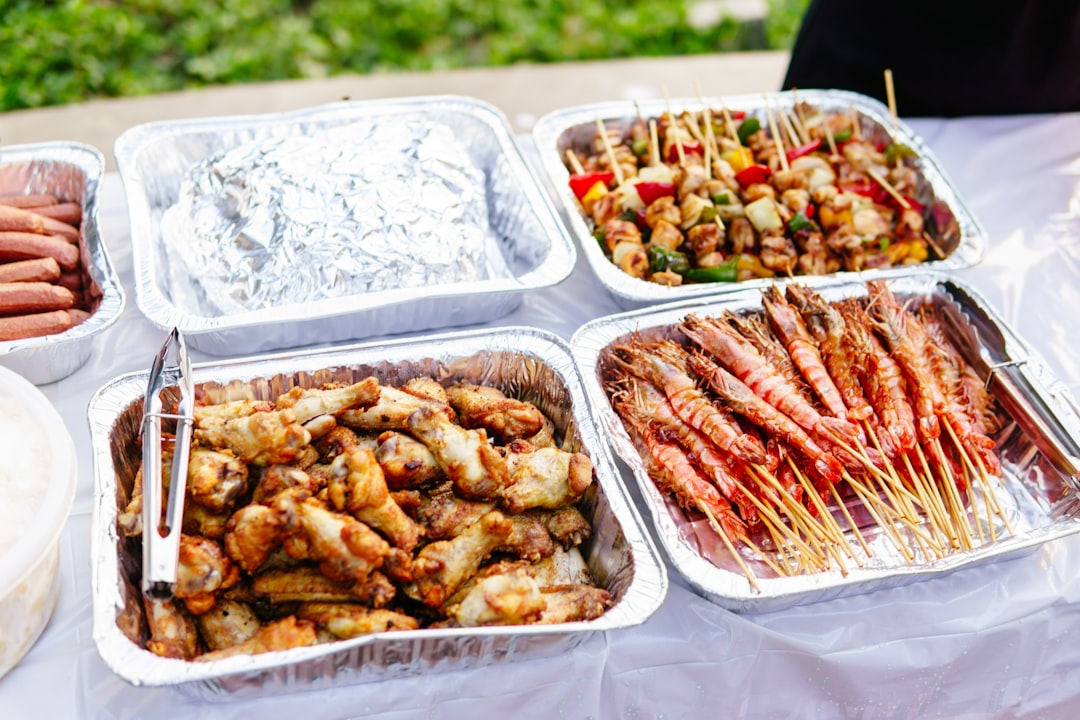
Have you ever planned an entire trip around a single dish? Or found yourself dreaming of a bustling street food market halfway across the globe? If so, you’re not alone! Food travel has exploded in popularity, transforming how we experience new cultures and create unforgettable memories. As we dive deeper into 2026, the culinary landscape is more exciting and diverse than ever. But with so many incredible options, where do you even begin? This guide is here to help you navigate the world’s most tantalizing tables and make your next food-focused journey truly epic! 😊
The Hottest Culinary Destinations of 2026 🤔
From vibrant street food scenes to Michelin-starred marvels, certain cities are consistently topping the lists for food lovers this year. According to Time Out’s 2026 rankings, Lima, Peru, has once again claimed the top spot as the world’s best food city, praised for its incredible seafood like ceviche and being the most affordable city for dining out among the top 20.
Following closely are perennial favorites like Bangkok, Thailand, celebrated for its “unmatched street food culture” where delicious meals can often be found for under $5. Mexico City, with its diverse scene from high-end to local street markets, secures the third spot, offering iconic dishes like taco al pastor. London, surprisingly, ranks fourth, boasting one of the most diverse food scenes globally, with Borough Market being a must-visit. Barcelona rounds out the top five, influenced by its rich Mediterranean history and famous for tapas and local markets.
Other notable culinary hotspots for 2026 include Ho Chi Minh City, Melbourne, Beijing, Athens, Lisbon, Cape Town, and Osaka, all offering unique gastronomic experiences. Emerging destinations like Vancouver, Canada (a 2026 World Cup host city), and Wrocław, Poland, are also gaining recognition for their burgeoning food scenes.
Key Food Travel Trends Shaping 2026 📊
The way we approach food travel is evolving. Modern travelers are seeking more than just good food; they want immersive, meaningful connections. Here are some of the top trends:
Trend Watch: Culinary Travel in 2026
| Trend Category | Description | Impact on Travelers |
|---|---|---|
| Conscious Cuisine | Emphasis on locally sourced, seasonal ingredients, minimal waste, and plant-based options. Supporting local farmers and communities. | Deeper connection to local culture, reduced environmental footprint, fresh and authentic flavors. |
| Hands-On Experiences | Cooking classes, market tours with chefs, foraging walks, and visits to local producers are becoming central to culinary trips. | Experiential learning, unique memories, and a true understanding of regional techniques and ingredients. |
| “Undiscovered” Regions | Travelers are actively seeking out less saturated food regions for a sense of discovery and authenticity, with Peru being a prime example. | Authentic encounters, fewer crowds, and a chance to explore emerging culinary scenes. |
| Local Snacks as Souvenirs | The new travel souvenir is often a bag full of local chips, cookies, or condiments from grocery aisles. | A tangible taste of vacation to bring home, connecting travelers to everyday local life. |
While seeking authentic experiences, always prioritize reputable sources for food tours and street food vendors to ensure safety and quality. Food hygiene standards can vary significantly between regions.
Essential Food Travel Hacks: Savor More, Spend Less! 📌
Ready to embark on your delicious journey? Here are some invaluable tips to make your food travel experience both enriching and budget-friendly:
-
✅
Embrace Local Markets & Street Food:
This is often where the most authentic and affordable flavors are found. Visit local markets for fresh produce and snacks, and don’t shy away from popular street food stalls where locals line up. -
✅
Choose Accommodations with Kitchens:
Booking an Airbnb or a hotel with a mini-fridge and microwave can significantly cut down on meal costs, especially for breakfast and light lunches. -
✅
Dine Out for Lunch, Not Always Dinner:
Many high-profile restaurants offer lunch specials or prix fixe menus that are much more affordable than their dinner counterparts, allowing you to experience fine dining without breaking the bank.
Diving Deeper: Sustainable & Immersive Food Experiences 👩💼👨💻
Beyond just eating, many travelers are looking for ways to engage with food in a more meaningful way. Sustainable gastronomy is a growing movement, focusing on local sourcing, minimizing waste, and supporting ethical food production. You can participate by seeking out farm-to-table restaurants, choosing plant-based options, and visiting local farmers’ markets.
Hands-on experiences are also gaining traction. Culinary tours that involve cooking classes, guided market visits with local chefs, and even foraging walks offer a deeper understanding of regional cuisine and culture. For example, in Mexico City, chef-led tours of authentic markets can reveal the rich history of corn culture.

Exploring local street food markets offers an authentic taste of a destination’s culture.
When researching sustainable dining, look for restaurants that are transparent about their sourcing, offer seasonal menus, and have policies in place to minimize food waste. Some even have sustainability certifications!
Real-World Example: A Day of Culinary Exploration in Lima 📚
Let’s imagine a perfect day of food travel in Lima, Peru, currently ranked as the world’s best food city.
Morning: Market Exploration & Ceviche Workshop
- Situation: You start your day early at a local market like Surquillo, bustling with fresh produce, exotic fruits, and the day’s catch from the Pacific.
- Activity: Join a chef-led market tour to learn about indigenous ingredients like aji peppers and unique potato varieties. Afterward, participate in a hands-on ceviche-making class, learning the delicate balance of fresh fish, lime, and spices that makes Peruvian ceviche world-renowned.
Afternoon: Budget-Friendly Lunch & Local Delights
1) Lunch Choice: Instead of a high-end dinner, opt for a delicious and affordable lunch at a “cevichería” in a local neighborhood. Lima is noted as the most affordable city for eating out among top culinary destinations.
2) Local Snack Hunt: Spend the afternoon exploring Barranco, known for its vibrant arts scene and charming cafes. Grab a *causa limeña* from a local vendor, a layered potato dish that’s both elegant and delicious.
Evening: Culinary Fusion & Reflection
– Dinner: Experience Lima’s innovative fine dining, perhaps a Nikkei (Japanese-Peruvian) fusion restaurant, showcasing the city’s cutting-edge gastronomy.
– Reflection: End the day appreciating how Lima’s culinary scene beautifully blends tradition with modern techniques, offering an unforgettable journey for the senses.
This example highlights how strategic planning, embracing local experiences, and a willingness to explore beyond typical tourist traps can lead to a truly immersive and delightful food travel adventure.
Wrapping Up: Your Next Culinary Journey Awaits! 📝
Food travel in 2026 is all about authenticity, sustainability, and getting hands-on with local cultures. Whether you’re chasing the next Michelin star, savoring street food under neon lights, or learning to cook a traditional dish from scratch, the world is brimming with incredible flavors waiting to be discovered. By keeping these tips and trends in mind, you’re well on your way to planning a truly unforgettable gastronomic adventure.
So, where will your taste buds take you next? Don’t be afraid to step out of your comfort zone, explore new cuisines, and let your palate lead the way. If you have any questions or want to share your favorite food travel tips, drop a comment below – I’d love to hear from you! 😊
Your 2026 Food Travel Cheat Sheet
Cook some meals, eat lunch out, and embrace street food to save money.
Frequently Asked Questions ❓