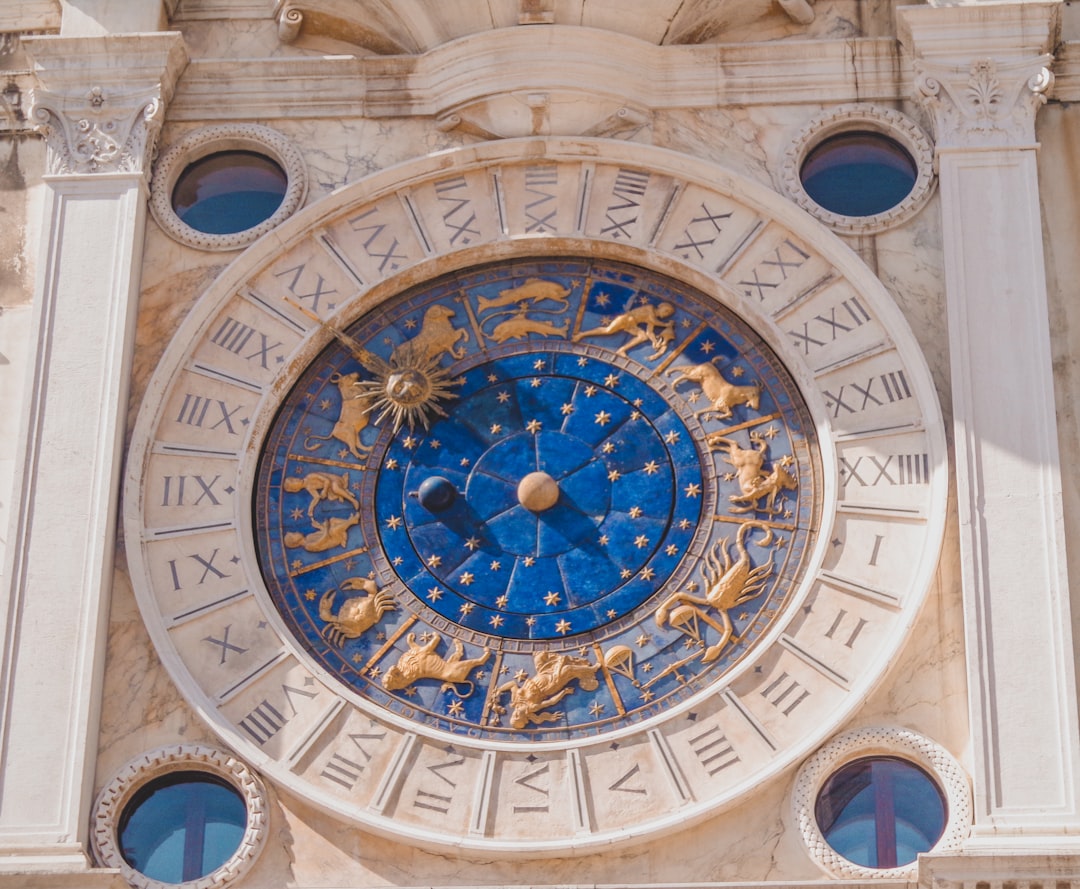
Have you ever met someone and felt an instant, undeniable connection? Or perhaps a relationship felt like constant uphill battle, despite your best efforts? We’ve all been there, wondering what makes some bonds flow effortlessly while others require immense work. In today’s complex dating landscape, more and more people are turning to the stars for answers, and for good reason! Astrology offers a profound lens through which to understand our deepest connections, and in 2026, it’s more relevant than ever. Let’s dive into the cosmic art of synastry! 😊
What is Astrological Compatibility (Synastry)? 🤔
At its core, astrological compatibility, often called synastry, is the art of comparing two birth charts to understand how two individuals interact with each other. It’s a powerful tool that reveals the intricate dance of energies between people, highlighting areas of harmony, challenge, and profound growth. While a birth chart shows your unique inner wiring and emotional needs, a synastry chart overlays one chart onto another to explore relational chemistry, compatibility, and even karmic themes.
This isn’t just about romantic connections, either! Synastry applies to friendships, family dynamics, and even business partnerships – essentially any bond where emotional entanglement occurs. It helps you identify recurring patterns and understand whether they stem from genuine connection, codependency, or deeper karmic ties.
Synastry isn’t about predestination. It provides a map of relationship dynamics, but communication, conscious choices, and timing are still crucial in shaping the outcome.
Key Elements to Look for in a Synastry Chart 📊
When you delve into a synastry chart, you’re looking at how your planets interact with your partner’s planets. It’s far more nuanced than just comparing Sun signs! Here are the essential components astrologers examine:
The “Big Three” and Personal Planets
| Planet/Point | Significance in Synastry | Compatibility Focus |
|---|---|---|
| Sun | Core identity, ego, life purpose. | Alignment of values, shared goals. |
| Moon | Emotional needs, inner self, comfort. | Emotional understanding, sense of home. |
| Rising (Ascendant) | First impressions, outward personality. | How you perceive each other initially. |
| Venus | Love language, affection, values. | Romantic attraction, how love is given/received. |
| Mars | Drive, desire, passion, assertiveness. | Sexual chemistry, how you take action together. |
It’s easy to “weaponize” astrology by saying things like, “You’re such a Scorpio, you’ll never change!” True astrological insight aims to foster understanding, not judgment or rigid labels.
Core Checkpoints: What to Remember! 📌
Followed along so far? The article might be long, so let’s recap the most important takeaways. Please keep these three points in mind:
-
✅
Synastry goes beyond Sun signs.
True compatibility involves a deep dive into your entire birth chart, especially the interactions between your personal planets like the Sun, Moon, Venus, and Mars. -
✅
2026 is a pivotal year for relationships.
Planetary shifts, like Jupiter in Leo and Uranus in Gemini, emphasize emotional growth, communication, and redefining selfhood within partnerships. -
✅
Astrology is a guide, not a dictator.
While synastry offers incredible insights, ultimately, healthy relationships are built on conscious effort, open communication, and mutual respect.
The Rise of Astrology in Modern Relationships 👩💼👨💻
Astrology has quietly moved from the margins to the mainstream, especially among Gen Z and millennials. What was once a quick glance at a newspaper horoscope has now become a daily ritual powered by apps, chatbots, and live astrologers. This trend is deeply impacting how we approach relationships. In fact, surveys suggest around 25% to 30% of US adults believe in astrology, with belief notably higher among women and younger adults.

Dating apps are at the forefront of this cosmic shift. Many leading platforms, including Bumble and Hinge, have integrated zodiac fields into profiles, and some even allow users to filter or sort by sign. An estimated 1 in 4 active dating-app profiles now list a zodiac sign in the bio or profile fields, with profiles featuring zodiac signs often receiving more engagement. This reflects a desire for more personalized and meaningful connections, with many seeing celestial insights as a way to better understand relationship dynamics.
The astrology app market is booming, expected to grow from $4.73 billion in 2025 to $5.69 billion in 2026, with rapid growth fueled by AI-driven analysis and personalized horoscopes. Jupiter’s transit into Leo and Uranus’s move into Gemini in 2026 are predicted to emphasize excitement, attention, loyalty, and a revolution in communication within relationships.
Practical Application: Using Synastry for Stronger Bonds 📚
So, how can you actually use synastry to enhance your relationships? It’s not about finding a “perfect match” and discarding others. Instead, it’s about gaining self-awareness and understanding your partner’s inherent patterns and needs. For instance, if your Moon (emotional needs) squares your partner’s Mars (drive), it might indicate a tendency for emotional arguments. Knowing this allows you to approach conflicts with more awareness and empathy, rather than just reacting.
Case Study: Emily (Taurus Sun, Cancer Moon) & Mark (Scorpio Sun, Capricorn Moon)
- Emily: Seeks stability, comfort, and emotional nurturing (Taurus Sun, Cancer Moon).
- Mark: Desires intensity, loyalty, and practical achievement (Scorpio Sun, Capricorn Moon).
Synastry Insights
1) Taurus-Scorpio Opposition (Suns): This creates a powerful attraction but also highlights core differences in values and approach to security. Emily seeks comfort, Mark seeks transformation. This can be a source of intense passion or deep conflict.
2) Cancer-Capricorn Opposition (Moons): Emily’s emotional, nurturing Moon clashes with Mark’s reserved, practical Moon. Emily might feel Mark is too cold; Mark might see Emily as overly emotional.
Potential Outcome
– Challenge: Initial attraction can be strong, but fundamental emotional and value differences may lead to friction if not consciously addressed.
– Growth: With open communication and a willingness to understand each other’s core needs, this pair can achieve incredible depth and balance, each bringing what the other lacks.
This example shows that “incompatible” aspects aren’t necessarily bad; they’re opportunities for growth. Understanding these dynamics can empower you to navigate challenges and build stronger, more resilient relationships.
Conclusion: Embrace Your Cosmic Blueprint 📝
As we navigate 2026, a year of significant astrological shifts and renewed focus on emotional maturity, understanding your cosmic connections through synastry can be a game-changer. It’s about gaining deeper insights into yourself and those you share your life with, fostering empathy, and building relationships that truly thrive.
Remember, while the stars offer profound guidance, your choices and conscious efforts are what truly shape your relationships. Use astrology as a tool for self-discovery and mutual understanding, and watch your connections flourish! Got questions about your own synastry? Ask away in the comments below! 😊