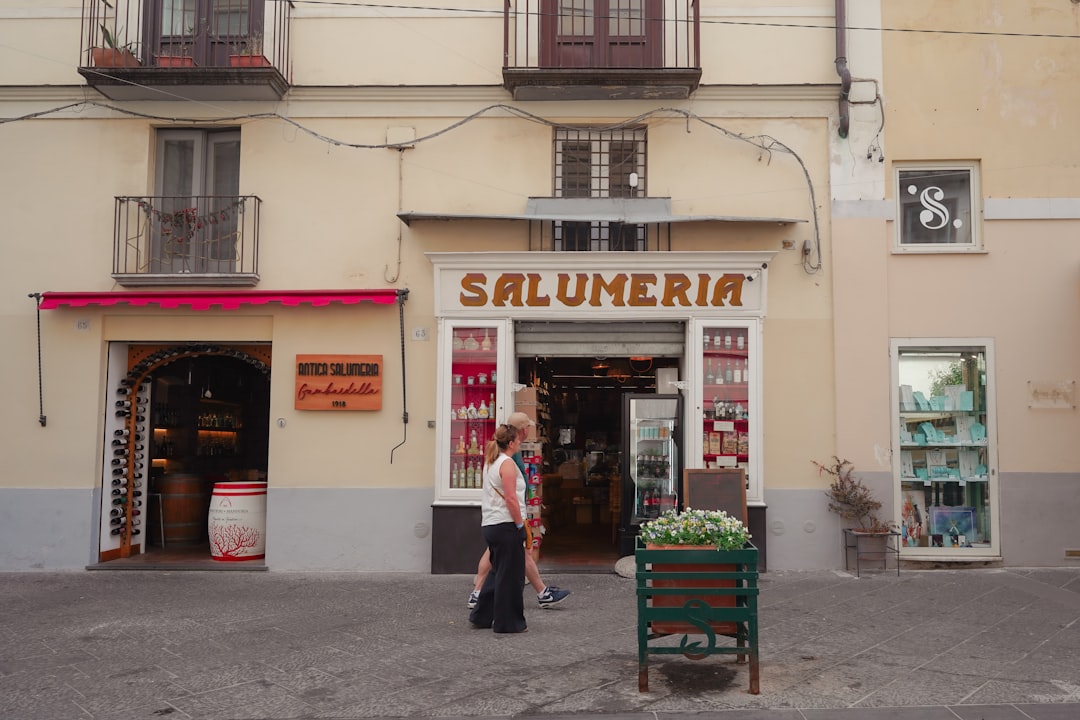
Have you ever planned a trip and found yourself dreaming more about the local delicacies than the landmarks? You’re not alone! Food has become an integral part of the travel experience, a vibrant gateway to understanding cultures and creating lasting memories. From bustling street food markets to Michelin-starred marvels, the world’s culinary scene is more exciting than ever. This blog post is your passport to exploring the globe’s most renowned food havens and unlocking the secrets to truly savoring your journey. Get ready to embark on a delectable adventure! 😊
The Irresistible Rise of Culinary Tourism 🤔
Culinary tourism, or food tourism, has exploded in popularity, transforming how we experience destinations. It’s no longer just about seeing the sights; it’s about tasting the culture. This trend is only growing, with the global culinary tourism market projected to reach USD 19.1 billion in 2026, and an impressive USD 76.4 billion by 2033, growing at a compound annual growth rate (CAGR) of 21.9% from 2026 to 2033. This massive growth is fueled by travelers’ increasing desire for authentic, immersive food experiences and the influence of digital platforms like Instagram and TikTok, which showcase unique gastronomic adventures.
Dining out is considered as important as climate, accommodation, and scenery for many tourists. People are seeking out real stories behind each bite and local favorites over generic chain restaurants. This shift emphasizes connecting with local producers, chefs, and communities, making food a powerful tool for cultural exploration.
Generation Y (Millennials) is a leading force in culinary tourism, holding approximately 40.5% of the market share in 2025. They are actively seeking adventurous, off-beat culinary experiences and rely heavily on social media for travel planning and discovering unique food experiences.
Top Global Food Destinations to Explore in 2026 📊
As of 2026, the culinary world continues to offer an incredible array of destinations that promise unforgettable gastronomic experiences. Here are some of the cities that are consistently ranked among the best for food lovers, offering everything from sizzling street food to exquisite fine dining.
| Destination | Culinary Highlights | Why Visit Now | Key Trends |
|---|---|---|---|
| Bangkok, Thailand | Legendary street food (Pad Thai, crispy pork belly, papaya salad), Michelin-rated vendors. | Food follows its own rhythm, from early morning soups to late-night noodles. | Street food renaissance, vibrant night markets. |
| Mexico City, Mexico | Authentic al pastor tacos, incredible salsas, fresh churros, tamales. | Deeply engaging with culinary heritage. | Vibrant street food culture, local food tours. |
| Osaka, Japan | “Japan’s Kitchen” known for okonomiyaki and takoyaki. | Offers a blend of traditional and modern culinary delights. | Rich regional specialties, immersive dining. |
| New York City, USA | Diverse cuisines (bagels, dim sum, pasta, soul food), vibrant neighborhood scenes. | A constant evolution of culinary innovation and immigrant traditions. | Hyper-local experiences, walking food tours. |
While major tourist attractions are convenient, restaurants directly adjacent to them often cater to visitors with overpriced, mediocre food. Venture a few blocks away or into less crowded neighborhoods for truly authentic and delicious meals.
Key Checkpoints: Remember These Essential Tips! 📌
You’ve made it this far! With so much information, it’s easy to forget the most crucial details. Let’s recap the three key takeaways you absolutely need for your next gourmet adventure.
-
✅
Embrace Culinary Tourism’s Growth:
The global culinary tourism market is booming, expected to reach $19.1 billion in 2026. This means more diverse and authentic food experiences are available than ever before. -
✅
Seek Out Local Gems:
Authenticity is key. Avoid tourist traps near major landmarks and instead, research local food blogs, social media, and travel forums for genuine recommendations. -
✅
Explore Beyond the Peak Season:
Consider traveling during “hidden seasons” for lower prices, fewer crowds, and richer local experiences, including access to seasonal ingredients and less tourist-centric dining.
Smart Tips for Your Gourmet Journey 👩💼👨💻
To truly maximize your food travel experience, a little planning goes a long way. Don’t just eat; immerse yourself! This section will provide practical tips to help you eat like a local and discover culinary treasures.
- Do Your Research: Before you even pack your bags, delve into food blogs, reputable travel websites (like Eater or The Infatuation), and local social media hashtags (e.g., #RomeEats) for insights into the local dining scene. Travel forums and groups can also be goldmines for firsthand recommendations.
- Embrace Street Food & Local Markets: These are often the heart of a city’s culinary identity. Not only are they budget-friendly, but they offer an authentic taste of local flavors and provide opportunities to interact with vendors. Cities like Bangkok and Mexico City are famous for their vibrant street food culture.
- Take a Food Tour: Guided food tours are an excellent way to discover hidden gems, learn about local ingredients, and taste a variety of dishes with an expert. Many tours connect you with local chefs and producers.
- Learn a Few Local Phrases: Even simple greetings or phrases like “delicious” or “thank you” in the local language can enhance your interactions and show respect for the culture.
- Be Adventurous: Step out of your comfort zone and try dishes you’ve never heard of. Some of the best culinary discoveries happen when you’re willing to experiment.
- Consider Cooking Classes: Beyond just eating, learning to prepare local dishes offers a deeper connection to the cuisine. Multi-day cooking retreats are gaining popularity, offering immersive experiences.
When searching for authentic restaurants, always consider walking a few blocks away from major tourist attractions. The further you stray, the more likely you are to find local favorites that offer better quality and value.
Emerging Trends: Sustainable and Immersive Food Experiences 📚
The culinary travel landscape is constantly evolving, with a growing emphasis on sustainability and deeper immersion. Travelers in 2026 are increasingly seeking purpose-driven experiences that align with ethical consumption and environmental responsibility.

- Hyper-Local and Farm-to-Table: This movement has evolved into a comprehensive ethos. Travelers are seeking out restaurants and food experiences that prioritize local sourcing, zero-waste practices, and environmental stewardship. This includes visiting farms, orchards, and distilleries, or even foraging excursions with chefs.
- Sustainable Food Tourism: Conscious travel through local, seasonal, or ethically produced food is a major trend. This supports local farming, biodiversity, and the preservation of cultural food. Apps are even helping travelers trace ingredient origins and measure their carbon footprint.
- Immersive Cooking Retreats: Beyond a quick class, multi-day retreats offer deep dives into regional cuisine, such as harvesting olives in Tuscany or learning to make pasta from scratch with local chefs.
- Off-Peak Travel for Richer Experiences: Many travelers are exploring “hidden seasons” for lower prices, fewer crowds, and richer local experiences. This often means more authentic culinary encounters with seasonal ingredients.
Case Study: A Sustainable Food Day in Bologna, Italy
- Morning: Visit the Mercato delle Erbe, Bologna’s vibrant indoor market, to purchase fresh, seasonal produce and local cheeses. Engage with vendors to learn about their sourcing.
- Afternoon: Participate in a pasta-making class focused on traditional Bolognese techniques, using ingredients sourced directly from the market.
- Evening: Dine at a “Trattoria Bolognese” that emphasizes farm-to-table practices, highlighting regional specialties like Tagliatelle al Ragù and tortellini, with wine from a local vineyard.
Key Takeaways from the Experience
1) Direct interaction with local producers enhances appreciation for ingredients.
2) Hands-on cooking provides a deeper understanding of regional cuisine.
3) Choosing sustainable restaurants supports local economies and ethical practices.
By focusing on these emerging trends, you can ensure your culinary travels are not only delicious but also meaningful and responsible, leaving a positive impact on the communities you visit.
Wrapping Up: Your Next Delicious Adventure Awaits! 📝
We’ve journeyed through the exciting world of culinary tourism, exploring its rapid growth, highlighting top destinations, and equipping you with smart tips and insights into emerging trends. Food travel is more than just eating; it’s an immersive cultural exchange that feeds both your body and your soul.
So, what are you waiting for? Start planning your next gourmet getaway, whether it’s savoring street food in Bangkok or taking a sustainable cooking retreat in Italy. Don’t forget to share your own favorite food travel tips and destinations in the comments below – I’d love to hear them! Happy travels and happy eating! 😊