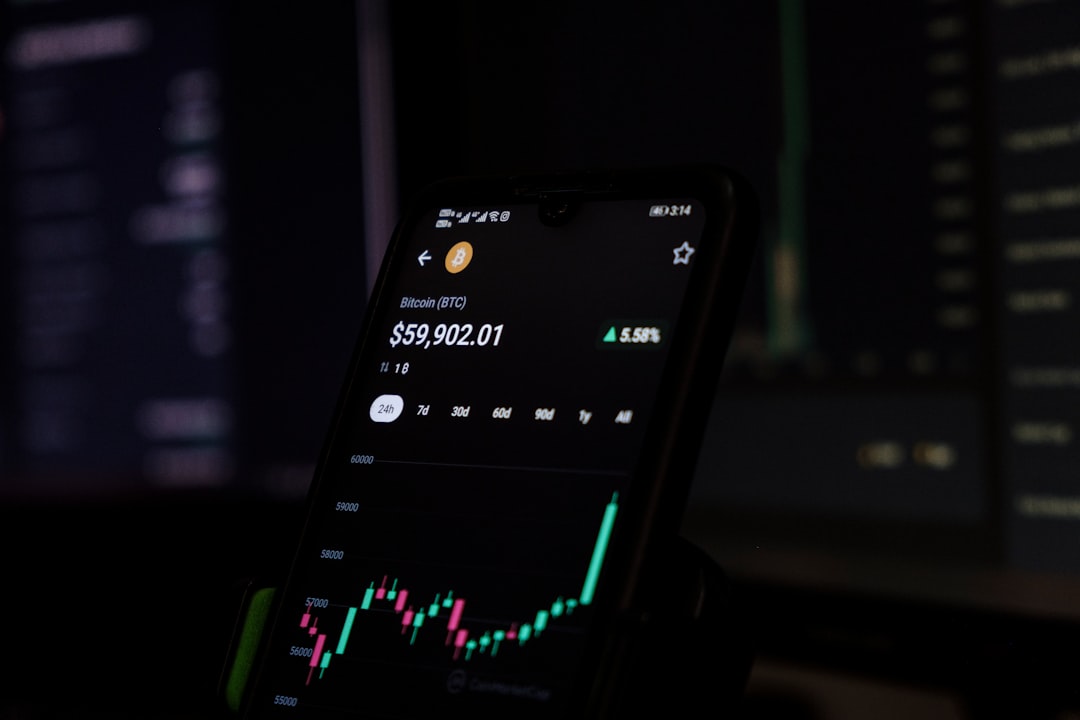
Have you ever watched a currency pair consolidate, seemingly stuck in a tight range, only to suddenly surge or plummet, leaving you wishing you’d caught the move? I’ve been there! The Forex market, with its immense liquidity and constant fluctuations, offers incredible opportunities, but seizing them requires a keen eye and a robust strategy. Today, we’re diving deep into one of the most effective and exhilarating approaches: the Breakout Trading Strategy. It’s all about identifying those pivotal moments when prices escape their confines, signaling the start of a potentially powerful trend. Ready to learn how to spot these opportunities and manage the associated risks in today’s fast-paced market? Let’s go! 😊
What Exactly is FX Breakout Trading? 🤔
At its core, the Forex Breakout Trading Strategy involves entering a trade when the price of a currency pair moves beyond a defined level of support or resistance. Think of it like a coiled spring: prices build up pressure within a range, and when that pressure is released, a strong directional move often follows. This “breakout” signals that either buyers or sellers have gained significant control, initiating a new trend.
This strategy is particularly appealing because it aims to capture the very beginning of a new price trend, offering substantial profit potential if the breakout is genuine. It contrasts with range trading, where traders buy at support and sell at resistance within a confined area. With breakouts, we’re looking for the market to tell us where it wants to go next, and then we ride that momentum.
Breakouts can occur from various chart patterns like triangles, rectangles, wedges, or simply horizontal support and resistance levels. Identifying these patterns is the first step to spotting potential breakout opportunities.
Why Breakout Trading in 2026? Current Trends & Statistics 📊
The Forex market continues to be a powerhouse, and 2026 is no exception. According to the Bank for International Settlements (BIS) 2025 Triennial Survey, the average daily FX turnover reached an astonishing $9.6 trillion in April 2025, marking a significant 27-28% increase from April 2022. This immense liquidity means plenty of opportunities for strong moves when breakouts occur.
The landscape of FX trading is evolving rapidly. We’re seeing increased algorithmic and AI trading, faster market volatility, and smarter institutional traders. These factors can contribute to more pronounced and rapid breakouts, making the strategy even more relevant for traders who can adapt. The USD remains the dominant currency, featuring in approximately 89.2% of all global Forex transactions in April 2025, with EUR/USD being the most traded pair.
Forex Market Snapshot (April 2025 Data)
| Category | Description | Key Statistic | Trend |
|---|---|---|---|
| Daily Turnover | Average daily trading volume | $9.6 Trillion | +27-28% since 2022 |
| USD Dominance | USD participation in trades | ~89.2% | Slight increase since 2022 |
| Top Pair | Most traded currency pair | EUR/USD (23%) | Consistent leader |
| Retail Share | Retail-driven turnover | $242B/day | Decreased from 2022 |
While the market is vast, retail-driven turnover has decreased. This highlights the importance of robust strategies and sound risk management to compete with sophisticated institutional players.
Key Checkpoints: Remember These Essentials! 📌
You’ve made it this far! With all the information, it’s easy to lose sight of the most crucial points. Let’s recap the three absolute must-knows for breakout trading.
-
✅
Confirm the Breakout
Don’t jump in too early! Wait for a candle to close beyond the support or resistance level to confirm the breakout. Look for increased volume as well. -
✅
Strict Risk Management is Non-Negotiable
Always use stop-loss orders, typically placed just inside the consolidation area or below the breakout level for long positions. Risk only 1-2% of your account per trade. -
✅
Beware of False Breakouts (Fakeouts)
Not every price breach is a true breakout. False breakouts are common and can trap traders. Confirmation and patience are your best defenses.
Implementing the Breakout Strategy: Tools and Techniques 👩💼👨💻
So, how do you actually put this strategy into action? It involves a few key steps and tools. First, you need to identify potential consolidation patterns or strong support/resistance levels. Technical indicators like Moving Averages, Bollinger Bands, and RSI can help spot these areas.
Once a potential breakout is identified, patience is paramount. You must wait for confirmation. This usually means waiting for a candlestick to close decisively beyond the support or resistance level. Some traders also look for increased trading volume to validate the move. Setting your entry point just after this confirmation, and your stop-loss just inside the previous range, is crucial for managing risk. For profit targets, a common approach is to measure the height of the consolidation range and project that distance from the breakout point.

Highly volatile pairs like GBP/JPY (“The Dragon”) or USD/JPY can offer larger profit potential with breakout strategies, but they also come with increased risk. Beginners might start with less volatile majors like EUR/USD to get a feel for the strategy.
Real-World Example: A Hypothetical EUR/USD Breakout 📚
Let’s walk through a simplified, hypothetical scenario to illustrate the breakout trading strategy with the most traded currency pair, EUR/USD.
Trader Jane’s Situation
- **Currency Pair:** EUR/USD
- **Timeframe:** 4-hour chart
- **Market Observation:** EUR/USD has been consolidating between 1.0850 (support) and 1.0920 (resistance) for several days.
- **Risk Tolerance:** Jane risks 1% of her $10,000 account per trade, meaning a maximum loss of $100.
Trading Process
1) **Identify Breakout:** Jane observes a strong bullish candle closing above the 1.0920 resistance level. This confirms the breakout.
2) **Entry:** She enters a long position (buys EUR/USD) at 1.0930.
3) **Stop-Loss:** She places her stop-loss order just below the previous resistance, at 1.0900 (30 pips risk).
4) **Take-Profit:** The consolidation range was 70 pips (1.0920 – 1.0850). Jane sets her take-profit target by projecting this distance from her entry: 1.0930 + 70 pips = 1.1000.
Final Result
– **Outcome:** The price continues to rise, hitting Jane’s take-profit target at 1.1000.
– **Profit:** A 70-pip gain. With a standard lot ($10/pip), this would be a $700 profit (7% return on her account risked capital, or 70 pips * $10/pip = $700). Her risk-reward ratio was 70/30, approximately 2.33:1.
This example illustrates how a well-executed breakout strategy, combined with disciplined risk management, can yield significant returns. Remember, not all breakouts succeed, which is why your stop-loss is your best friend!
Conclusion: Your Path to Breakout Success 📝
The Forex Breakout Trading Strategy offers a compelling way to profit from the market’s inherent volatility and trend-following nature. In 2026, with increasing market turnover and sophisticated trading environments, mastering this strategy—especially with a focus on confirmation and robust risk management—is more crucial than ever. The market will always present opportunities, but it’s your ability to identify genuine breakouts and protect your capital that truly defines long-term success.
Don’t just chase every price move; instead, learn to read the market’s signals, confirm your entries, and always, always manage your risk. Practice on a demo account, refine your approach, and stay disciplined. The world of Forex trading is vast and rewarding for those who are prepared. Got questions or your own breakout tips? Share them in the comments below! 😊