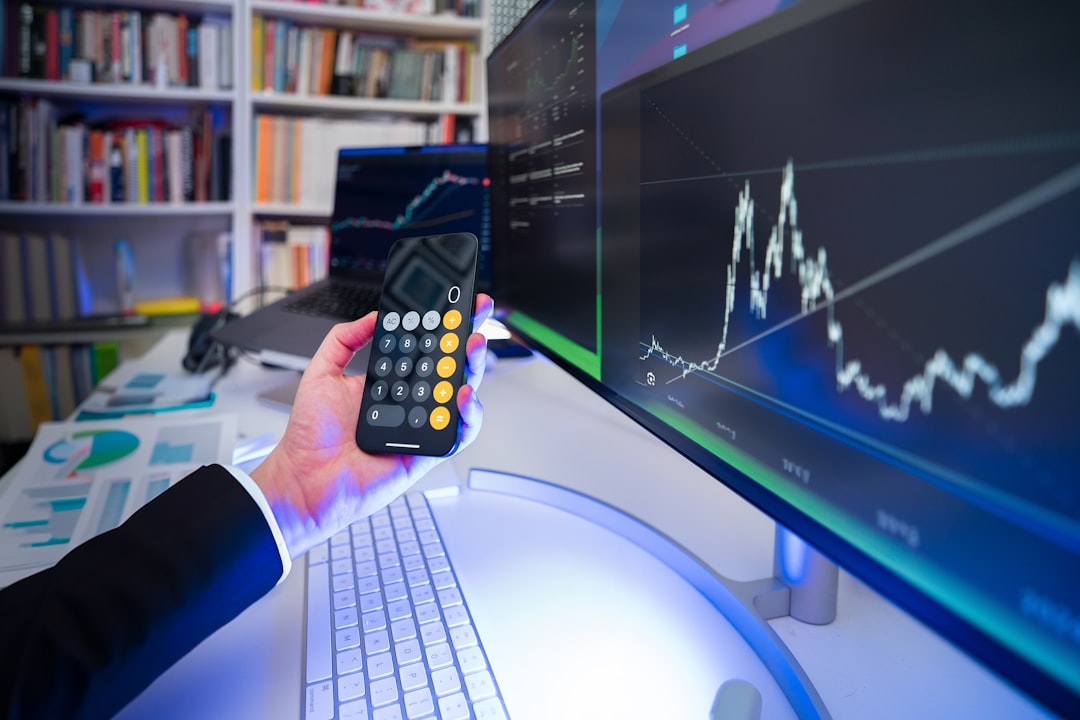
Have you ever felt caught between the rapid-fire intensity of day trading and the long-term patience of investing? Many aspiring traders find themselves in this exact spot, seeking a middle ground that offers both active engagement and a realistic time commitment. That’s where swing trading shines! In today’s fast-evolving markets, understanding and implementing effective swing trading strategies can be a game-changer for your financial goals. Let’s explore how you can harness the power of market “swings” to generate potential profits. 😊
What is Swing Trading and Why It’s Relevant in 2026 🤔
Swing trading is a popular strategy where traders aim to capture short-to-medium term price movements in the stock market, typically holding positions for a few days to several weeks. Unlike day trading, which involves closing positions within the same day, swing trading allows for more flexibility and doesn’t require constant market monitoring. This makes it an ideal strategy for individuals who cannot be glued to their screens all day but still want to capitalize on market fluctuations.
In 2026, the financial markets are characterized by elevated interest rates, cooling but uneven inflation, and shifting central bank guidance, all contributing to volatility and sector rotation. This environment creates ample opportunities for swing traders to profit from distinct price “swings” driven by macroeconomic conditions and regular catalysts. The U.S. move to T+1 settlement has also shortened settlement times, making it easier for traders to reposition portfolios and act on these movements.
Swing trading strikes a balance between the high-frequency trades of day trading and the long-term holds of traditional investing. It focuses on identifying and riding “waves” in price action, often entering at the end of a corrective phase and exiting as the primary trend matures.
Essential Indicators and Strategies for 2026 📊
Successful swing trading heavily relies on technical analysis and key indicators to identify potential entry and exit points. Several indicators remain highly effective in 2026, providing crucial insights into market trends, momentum, and potential reversal points.
Top Swing Trading Indicators for 2026
| Indicator | Description | Application in Swing Trading |
|---|---|---|
| Moving Averages (MA/EMA) | Smooths price data to identify trends. EMAs give more weight to recent prices. | Identifies trend direction and dynamic support/resistance. Look for crossovers (e.g., 20/50 EMA) for buy/sell signals. |
| Relative Strength Index (RSI) | Momentum oscillator measuring speed and change of price movements. | Identifies overbought (above 70) and oversold (below 30) conditions for potential reversals. |
| MACD (Moving Average Convergence Divergence) | Trend-following momentum indicator showing the relationship between two moving averages. | Confirms trend direction and momentum. Bullish MACD cross above zero is a strong buy signal. |
| Bollinger Bands | Measures volatility, consisting of a simple moving average and two standard deviation lines. | Identifies volatility extremes and potential mean reversion. A “squeeze” signals an imminent large move. |
Beyond indicators, effective swing trading strategies in 2026 often involve identifying specific chart patterns and market structures. These include breakouts and failed breakdowns, pullbacks into moving averages, momentum continuation, and support and resistance rotations. The key is to combine 2-3 indicators for optimal results and to constantly adapt to market changes.
While swing trading offers great opportunities, it’s crucial to remember that no single indicator guarantees success. The reliability of an indicator depends on how traders use it to filter out false entries and boost conviction. Always prioritize risk management!
Key Checkpoints: Remember These Essentials! 📌
You’ve made it this far! With all the information, it’s easy to forget the crucial points. Let’s recap the most important takeaways. Please keep these three things in mind:
-
✅
Risk Management is Paramount
Always define your stop-loss and profit targets before entering a trade, aiming for a risk-reward ratio of at least 1:2 or 1:3. Never risk more than 1-2% of your account per trade. -
✅
Combine Indicators for Confirmation
Don’t rely on a single indicator. Use 2-3 complementary indicators like RSI, MACD, and Moving Averages to confirm signals and increase trade conviction. -
✅
Adapt and Backtest Your Strategies
The market is constantly evolving. Continuously backtest your strategies with historical data and adapt them to current market conditions, focusing on a structured approach rather than just stock picking.
Implementing Swing Trading: Tools and Best Practices 👩💼👨💻
The landscape of swing trading tools and platforms has advanced significantly, making it more accessible than ever. In 2026, retail traders have access to powerful analytical tools that were once exclusive to institutional desks. Choosing the right platform and adopting best practices can dramatically improve your success rate.

Platforms like TradingView, TrendSpider, and ProRealTime are highly recommended for their charting capabilities, screening tools, and community insights. Some innovative tools like Pineify even allow you to generate executable Pine Script code for custom strategies on TradingView.
Beyond tools, disciplined execution is key. Swing traders should spend 30-60 minutes a day on analysis, then set their entries, stops, and targets. Avoid micromanaging trades and allow them to develop over days or weeks.
Real-World Example: Identifying a Breakout Trade 📚
Let’s consider a hypothetical example based on current market trends in July 2026. Imagine you’re looking for breakout opportunities in the AI and semiconductor sectors, which have shown strong institutional flows.
Scenario: E2E Networks (Hypothetical)
- Company Profile: E2E Networks, an AI-focused hyperscale cloud platform provider, is expanding its data center capacity.
- Recent Performance: Revenue grew 131% on a trailing twelve-month basis, and the stock generated a 141% return over the past year (July 2025–July 2026). Foreign Institutional Investors (FIIs) increased their stake.
Analysis and Trade Setup
1) Technical Breakout: The stock recently crossed a significant resistance zone (e.g., $510–$515) that had held since November 2024. This breakout was supported by strong bullish candles and higher trading volumes, indicating healthy buying interest.
2) Relative Strength: The stock’s Relative Strength (RS) against the broader market remained positive, suggesting outperformance.
3) Confirmation with Indicators: RSI is in a bullish zone (e.g., between 45-65, not overbought), and the 20-day EMA has crossed above the 50-day EMA, confirming an uptrend.
Final Result (Hypothetical)
– Entry Point: Just above the breakout level with confirmation from indicators.
– Exit Strategy: Set a stop-loss below the recent swing low and a profit target based on a 1:3 risk-reward ratio, or use a trailing stop for extended gains (data suggests holding winners for about 40 days for optimal profit factor).
This example illustrates how combining fundamental strength with technical analysis and disciplined risk management can help identify high-probability swing trades. Remember, the market context and sector flows are crucial in determining a setup’s true edge.
Wrapping Up: Your Path to Profitable Swing Trading 📝
Swing trading, when approached with a structured plan and disciplined execution, offers a compelling way to generate profits in today’s markets. It’s about capturing those significant multi-day to multi-week price movements, managing your risk intelligently, and adapting your strategies to evolving market conditions. The accessibility of advanced tools and the dynamic nature of 2026’s markets make it an exciting time to explore this trading style.
Remember, success in trading isn’t about predicting every move, but about consistent process, robust risk control, and emotional discipline. Start small, paper trade to practice, and continuously refine your approach. Do you have any questions or want to share your own swing trading experiences? Let us know in the comments below! 😊