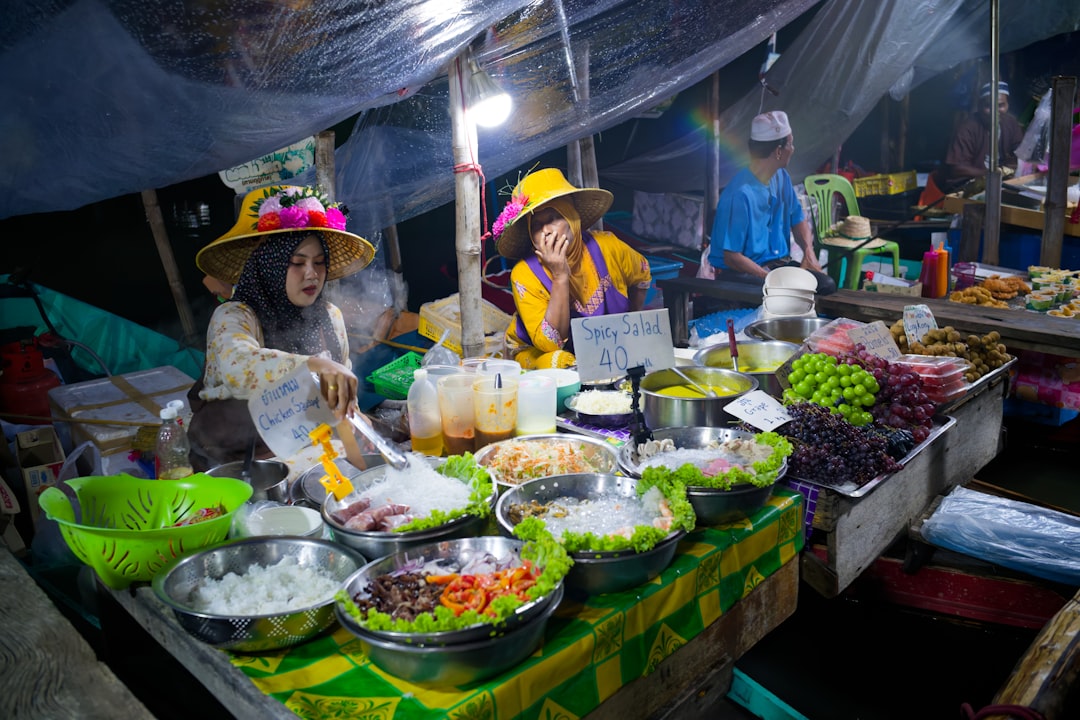
Do you ever find yourself planning a trip around your next meal? Me too! There’s something truly magical about exploring a new culture through its cuisine. Forget just seeing the sights; in 2026, travel is all about tasting the world, one delicious bite at a time. From bustling street food markets to serene farm-to-table experiences, culinary tourism is booming, and travelers like us are seeking out authentic, unforgettable gastronomic adventures more than ever before. If you’re ready to tantalize your taste buds and discover where to eat next, you’ve come to the right place! Let’s dive into the exciting world of food travel! 😊
The Evolving Landscape of Global Food Travel in 2026 🤔
The way we travel, and especially how we eat on our journeys, is constantly evolving. In 2026, several key trends are shaping the global food travel scene, pushing us towards more meaningful and conscious experiences. We’re seeing a significant shift towards experience-led and authentic travel, where travelers prioritize genuine connections with local culture, people, and landscapes over simply ticking off famous landmarks. This often means exploring “anti-tourism” destinations, seeking out quieter, more authentic spots away from the crowds.
Sustainability is no longer a niche concern; it’s a driving force. A remarkable 93% of travelers surveyed in 2025 expressed a desire to make more sustainable choices, from selecting eco-friendly accommodations to actively reducing food waste. This includes a strong emphasis on eating local and seasonal produce, supporting small businesses, and carrying reusable items like water bottles and utensils to minimize environmental impact.
Interestingly, technology is also playing a role. Approximately 30% of Americans are projected to use Artificial Intelligence (AI) for travel planning in 2026, utilizing it to discover activities, restaurants, destinations, and even build itineraries. This blend of high-tech planning with a desire for authentic, low-impact experiences truly defines the modern food traveler. We’re also embracing off-peak and slower travel, opting for longer stays during quieter seasons to enjoy lower prices, fewer crowds, and richer local encounters.
Wellness tourism is also expanding beyond traditional spas, with travelers seeking holistic programs focused on mental resilience and physical vitality, often integrated with nature-rich culinary experiences.
2026’s Hottest Culinary Destinations 📊
If your taste buds are tingling for adventure, here are some of the world’s most captivating culinary destinations making waves in 2026. Mexico, Italy, and Spain consistently rank as top contenders, celebrated for their rich culinary heritage, diverse regional cuisines, vibrant street food scenes, and exquisite fine dining.
For sizzling street food hubs, you absolutely can’t miss Bangkok, Thailand, with its legendary crispy pork belly and pad thai; Mexico City, Mexico, famous for authentic al pastor tacos; and Osaka, Japan, often called “Japan’s Kitchen” for its savory okonomiyaki. Other top street food cities include Hanoi, Vietnam, for its delicate pho, and Palermo, Italy, for Sicilian street food like arancini.
If fine dining and Michelin-starred experiences are more your style, Tokyo, Japan, continues to hold the most Michelin stars globally. Paris, France, remains the birthplace of haute cuisine, while San Sebastian, Spain, boasts an extraordinary number of Michelin stars per capita. Lima, Peru, is recognized for its innovative fine dining and extraordinary culinary fusion, blending Indigenous, Spanish, African, Japanese, and Chinese influences.
Culinary Hotspots by Category
| Category | Destination Highlights | Signature Dishes/Experiences | Why Visit in 2026 |
|---|---|---|---|
| Street Food | Bangkok, Mexico City, Osaka, Hanoi | Pad Thai, Tacos al Pastor, Okonomiyaki, Pho | Vibrant markets, authentic local flavors |
| Fine Dining | Tokyo, Paris, San Sebastian, Lima | Sushi Omakase, Haute Cuisine, Pintxos, Ceviche | Michelin-starred experiences, innovative gastronomy |
| Regional Specialties | Oaxaca, Tuscany & Umbria, New Orleans | Mole, Farm-to-table, Jambalaya, Gumbo | Deep cultural immersion, unique local flavors |
| Emerging Hotspots | Chengdu, Busan, Faroe Islands, Saudi Arabia | Sichuan fine dining, Korean fusion, Arctic terroir, modern Middle Eastern | Discover new culinary frontiers before the crowds |
While popular markets like Barcelona’s La Boqueria are undergoing renovations, they remain open. Arriving early on weekdays can help you experience them like a local and avoid peak tourist crowds.
Key Checkpoints: Remember These Tips for Your Next Foodie Adventure! 📌
You’ve made it this far! With so much delicious information, it’s easy to forget the essentials. Let’s quickly recap the most important takeaways for your global food travels. Please keep these three points in mind:
-
✅
Embrace Authenticity & Sustainability:
Prioritize local, seasonal food, support small businesses, and minimize waste to truly connect with a destination’s culture and leave a positive impact. -
✅
Diversify Your Culinary Exploration:
Don’t stick to just one type of dining. Mix bustling street food with hidden local eateries and perhaps a splurge at a fine dining establishment for a complete taste of the local scene. -
✅
Leverage Local Expertise & Modern Tools:
Join food tours led by locals, take cooking classes, and don’t hesitate to ask residents for recommendations. Also, consider using AI tools for efficient trip and restaurant planning.
Smart Tips for Your Foodie Adventure 👩💼👨💻
Now that you know where to go, let’s talk about how to make the most of your culinary journey. These practical tips will help you navigate new food landscapes like a seasoned pro and ensure every meal is a highlight.
- Research Local Festivals and Food Events: Timing your trip with a local food holiday, wine festival, or harvest can significantly enhance your experience, offering a concentrated taste of regional specialties and a vibrant atmosphere.
- Join Food Tours and Cooking Classes: Participating in a food tour led by a local guide is one of the best ways to dive deep into culinary traditions and discover hidden gems. Cooking classes offer a hands-on approach, allowing you to learn local techniques and recreate dishes back home.
- Eat Local and Seasonal: Prioritize restaurants and vendors that source ingredients locally and seasonally. This not only ensures fresher, more flavorful food but also supports the local economy and reduces your carbon footprint.
- Balance Your Dining Experiences: Mix your dining between upscale restaurants and casual, everyday eateries, including street food stalls. This provides a full spectrum of the local food culture, from quick, authentic bites to elaborate culinary creations.
- Minimize Waste with a Reusable Kit: Pack a reusable fork/spork, spoon, cloth napkin, tote bag, and a small container. This simple kit can transform street food into a zero-waste experience and help you save leftovers.
- Ask Locals for Recommendations: Don’t be shy! Locals often know the best spots, from the hole-in-the-wall eateries to the markets that offer the freshest produce. Following their advice can lead to truly authentic discoveries.
Embrace local dining customs! Learning about cultural significance, portion sizes, and meal timings can lead to less waste and more authentic experiences.
Real-World Example: A Taste of Oaxaca: Mexico’s Culinary Heart 📚
To truly understand the power of food travel, let’s look at a concrete example: Oaxaca, Mexico. This vibrant city is consistently highlighted as a top culinary destination, a place where food isn’t just sustenance, but the very soul of its culture.
Oaxaca’s Culinary Situation
- Deep Indigenous Roots: Oaxaca boasts one of the deepest and most diverse food cultures in the Americas, heavily influenced by its Indigenous heritage.
- Seven Moles: It’s famous for its “seven moles,” complex sauces that can take days to prepare, each with unique flavors and ingredients.
- Mezcal Capital: Oaxaca is also the heartland of mezcal, offering rich traditions of artisanal production and tasting experiences.
The Exploration Process
1) Market Immersion: Wander through bustling markets like Mercado Benito Juárez or Mercado 20 de Noviembre, where you can sample everything from tlayudas (large crispy tortillas) to chapulines (roasted grasshoppers).
2) Mole Tasting: Seek out traditional restaurants or cooking classes to truly appreciate the intricate flavors of different moles, learning about their history and preparation.
3) Mezcal Journey: Visit a local palenque (mezcal distillery) to understand the artisanal process from agave to glass, and enjoy guided tastings.
Final Result
– Unforgettable Flavors: An unparalleled sensory journey through rich, smoky, and spicy flavors that are uniquely Oaxacan.
– Cultural Connection: A profound understanding of the region’s history and traditions, experienced directly through its food and drink.
Oaxaca exemplifies how a destination’s culinary scene can offer an incredibly immersive and educational experience, proving that food is indeed a powerful lens through which to view the world.
Conclusion: Your Next Delicious Adventure Awaits! 📝
As we’ve explored, the world of food travel in 2026 is richer and more exciting than ever. From embracing sustainable practices to discovering emerging culinary hotspots, there are countless ways to make your next trip a truly unforgettable gastronomic journey. Whether you’re drawn to the bustling street food stalls of Bangkok or the refined elegance of Tokyo’s fine dining, remember to seek out authenticity, support local communities, and savor every single bite.
So, what’s calling your palate next? I encourage you to use these tips and insights to plan your own delicious adventure. If you have any questions or your own favorite food travel tips, please share them in the comments below – I’d love to hear from you! Happy travels and happy eating! 😊