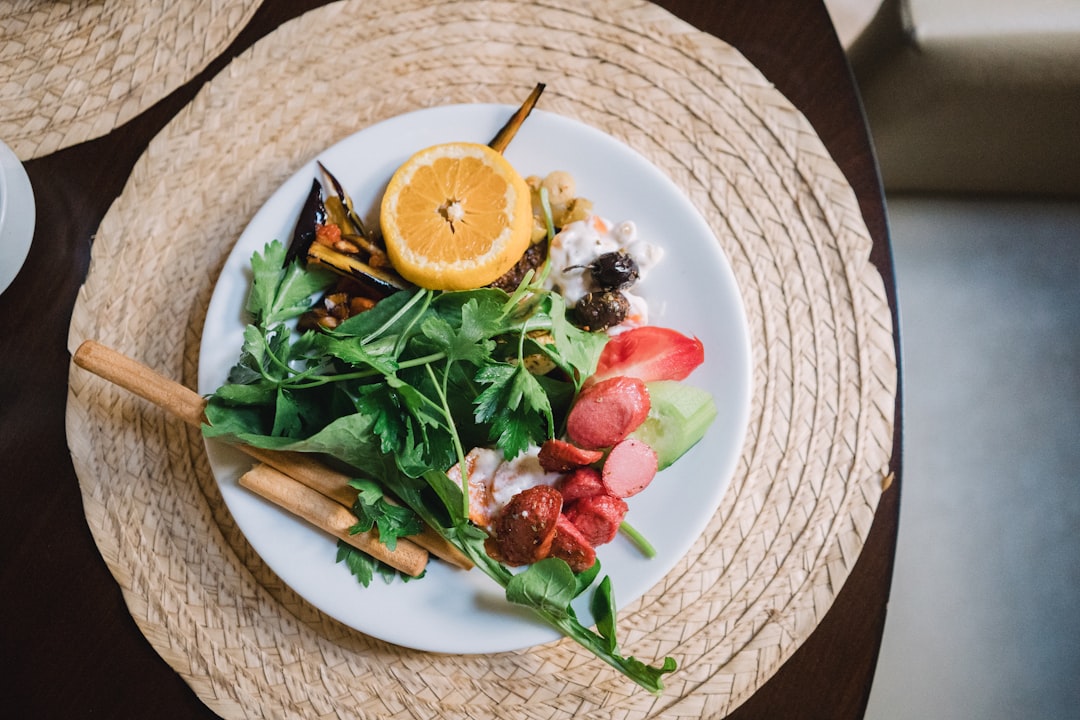
Have you ever planned an entire trip around what you’re going to eat? If so, you’re definitely not alone! It seems like more and more of us are letting our taste buds lead the way when it comes to travel, and honestly, I get it. There’s just something magical about exploring a new culture through its flavors, isn’t there? From bustling street food markets to Michelin-starred dining rooms, food travel offers an unparalleled way to connect with a destination. Let’s dive into the delicious world of culinary tourism and get you ready for your next mouth-watering adventure! 😊
The Culinary Travel Boom: Why Food is the New Frontier 🤔
Culinary tourism has truly exploded, evolving from a niche interest into a dominant force in global travel. In fact, nearly 80% of travelers now choose their destinations based on cuisine, placing culinary offerings above traditional attractions like museums or beaches. This isn’t just a slight shift; it’s a fundamental redefinition of how we explore the world. The culinary tourism market is projected to grow from an estimated $1.23 trillion in 2026 to $2.19 trillion by 2030, with a remarkable 15.5% compound annual growth rate.
What’s driving this insatiable appetite for food-focused journeys? It’s a desire for authenticity and immersive cultural experiences. Travelers are increasingly prioritizing genuine food experiences, seeking out local eateries, market stalls, and regional specialties that tell a story about the place. This trend is about understanding culture through its food, connecting with communities, and creating lasting memories that go far beyond standard restaurant visits.
The 2026 Food Travel Monitor indicates that 75% of tourists now qualify as culinary travelers, rating the importance of food and drink at an all-time high of 8.2 out of 10 when picking a destination. This highlights just how central food has become to the overall travel experience!
Top Global Food Destinations to Savor in 2026 📊
So, where should your culinary compass point this year? Experts and recent travel reports are highlighting several incredible destinations that are truly shining in the gastronomic world. Mexico, for instance, has topped many lists thanks to its vibrant blend of indigenous traditions and Spanish heritage. Italy, with its unparalleled regional recipes and local ingredients, consistently ranks high, followed closely by Spain for its Mediterranean flavors and culinary innovation.
Beyond these perennial favorites, several cities and regions are making waves. Lima, Peru, continues to be a fine dining capital, producing some of the world’s best restaurants and offering extraordinary culinary fusion. San Sebastian, Spain, boasts an incredible number of Michelin stars per capita, second only to Kyoto, Japan, making it a must-visit for avant-garde Basque cuisine. And for street food enthusiasts, Bangkok, Thailand, is a perennial favorite, inviting you to eat often and widely from its vibrant night markets.
2026’s Must-Visit Culinary Hotspots
| Destination | Key Culinary Highlights | Why Visit in 2026 | Vibe |
|---|---|---|---|
| Tuscany & Umbria, Italy | Farm-to-table, wine, olive oil, hand-rolled pasta, truffles. | Considered the most complete culinary region. | Rustic, elegant, slow food culture. |
| Kyoto, Japan | Kaiseki dining, tea culture, seasonal cuisine. | Renowned for tradition and Michelin-starred experiences. | Refined, artistic, deeply cultural. |
| Lima, Peru | Ceviche, innovative fine dining, culinary fusion. | Home to some of the world’s best restaurants. | Cutting-edge, vibrant, experimental. |
| Bangkok, Thailand | Street food, pad thai, spicy papaya salad, mango sticky rice. | Dynamic street food scene and Michelin Guide recognition. | Energetic, diverse, flavorful. |
| Oaxaca, Mexico | Mole sauces, traditional mezcal, indigenous culinary history. | A culinary heart rooted in 3,000 years of tradition. | Authentic, rich, historical. |
While exploring new cuisines, always be mindful of food safety. Research reputable eateries, especially when trying street food, and consider travel insurance that covers medical emergencies. It’s better to be safe than sorry when it comes to an upset stomach abroad!
Key Checkpoints: What to Remember for Your Food Journey! 📌
You’ve made it this far! With so much delicious information, let’s quickly recap the absolute essentials for your next food-focused trip. Keep these three points in mind:
-
✅
Food is a Primary Travel Driver:
Don’t underestimate the power of food in shaping your travel plans. Most travelers prioritize cuisine when choosing a destination. -
✅
Seek Authentic, Local Experiences:
Beyond fine dining, explore local markets and street food. This is where true cultural immersion happens. -
✅
Sustainability Matters:
Support local economies and reduce your environmental impact by choosing locally sourced, seasonal dishes.
Essential Food Travel Tips for the Modern Explorer 👩💼👨💻
Now that you know where to go, let’s talk about how to make the most of your culinary journey. It’s not just about eating; it’s about experiencing. One of the best tips is to research local food culture before you even pack your bags. Understanding local cuisines enhances your travel experience and reveals cultural narratives. Don’t be afraid to try things you’re not sure about – that’s where the real discovery happens!
Engage with local chefs and food experts. Booking chef-led tours or even just striking up a conversation at a local market can provide unparalleled insider knowledge and authentic experiences that go beyond the typical tourist paths.
Another crucial aspect is sustainable food tourism. With 22% of food tourists prioritizing eco-friendly food experiences, it’s more important than ever to make conscious choices. This means choosing restaurants that source ingredients locally and serve seasonal menus, which not only helps the planet but also guarantees a more authentic and delicious dining experience. Supporting family-run restaurants and independent shops helps keep tourism dollars within the community, benefiting the people who live there year-round.

When planning your meals, consider exploring neighborhoods away from the main tourist districts. Ask locals for recommendations – they often know the hidden gems that offer genuine flavors and cultural insights. And don’t forget to pack a reusable travel kit, including a fork/spork, spoon, cloth napkin, and tote bag. This simple habit can make street food experiences zero-waste and more sustainable!
Real-World Examples: A Taste of Adventure 📚
Let’s imagine a scenario to bring these tips to life. Meet Sarah, a self-proclaimed foodie planning her 2026 trip to Oaxaca, Mexico. Instead of just booking a fancy restaurant, she decides to embrace the local culinary scene fully.
Sarah’s Oaxaca Food Adventure
- **Initial Goal:** Experience authentic Oaxacan mole and mezcal.
- **Research:** Sarah spent time researching local markets, traditional cooking classes, and small, family-run eateries known for their mole. She learned about the 3,000-year history of Oaxacan cuisine.
Her Culinary Journey
1) **Market Immersion:** She started with a guided tour of Mercado Benito Juárez, where a local chef explained different types of chiles, cheeses, and ingredients used in mole.
2) **Cooking Class:** Sarah then took a hands-on cooking class, learning to grind spices and prepare a traditional mole sauce from scratch, connecting directly with the culinary heritage.
3) **Local Eateries:** Instead of only tourist traps, she sought out small “fondas” recommended by her cooking instructor, where she savored incredible, authentic tlayudas and various moles.
4) **Mezcal Tasting:** She visited a local palenque (mezcal distillery) outside the city, learning about the artisanal production process and tasting different varieties directly from the source.
Final Result
– **Deep Cultural Connection:** Sarah didn’t just eat; she understood the stories, traditions, and passion behind each dish.
– **Unforgettable Memories:** The flavors, the people she met, and the knowledge gained created a truly immersive and meaningful travel experience, far richer than simply dining out.
Sarah’s experience highlights how intentional food travel can transform a vacation into a profound cultural immersion. By actively seeking out local experiences and engaging with the food community, you unlock a deeper appreciation for your destination.
Wrapping It Up: Your Next Delicious Journey Awaits! 📝
The world of culinary tourism in 2026 is more exciting and accessible than ever. From the rolling hills of Tuscany to the bustling streets of Bangkok and the ancient flavors of Oaxaca, there’s a feast waiting for every palate. By focusing on authenticity, sustainability, and genuine local engagement, you can transform your travels into truly unforgettable gastronomic adventures.
So, what are you waiting for? Start planning your next food-centric getaway. Research those local specialties, seek out hidden gems, and most importantly, savor every single bite. If you have any questions or want to share your own favorite food travel tips, drop a comment below! Happy eating and happy travels! 😊
Culinary Travel Key Takeaways
Frequently Asked Questions ❓