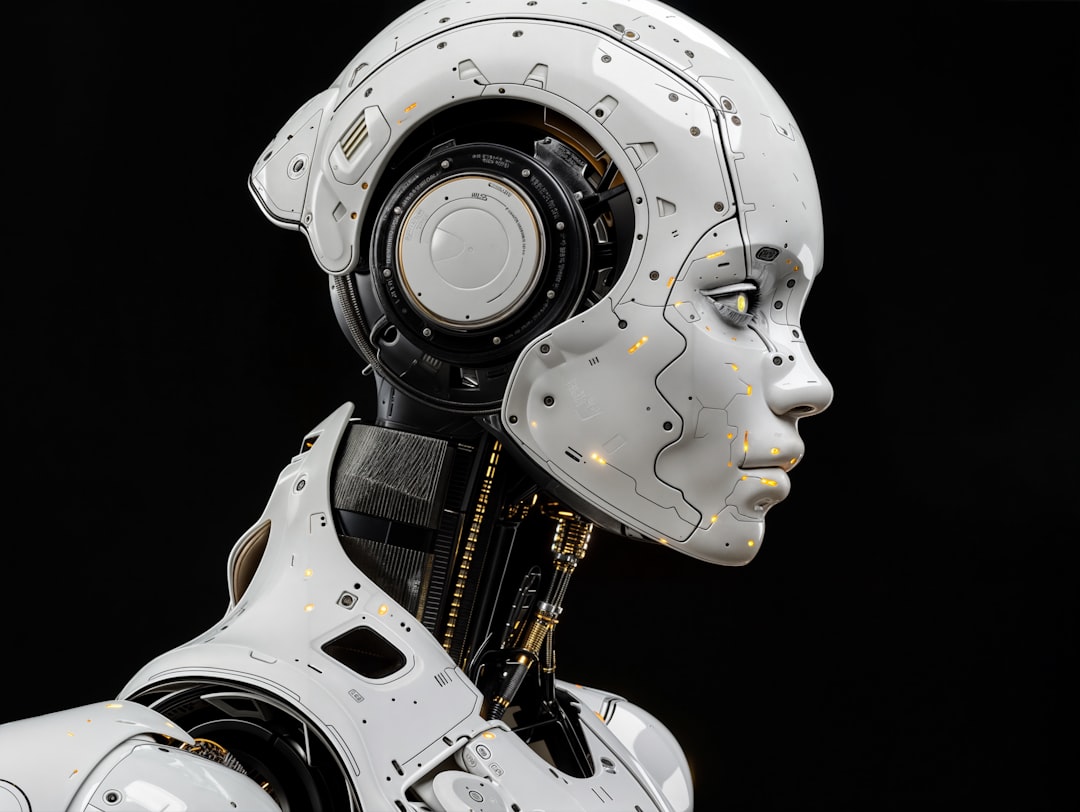
Remember when AI was just a concept in sci-fi movies? Fast forward to today, October 2026, and generative AI isn’t just a concept; it’s a game-changer actively redefining how businesses operate. From crafting compelling marketing copy to designing intricate product prototypes, the capabilities of generative AI are expanding at an astonishing pace. Are you ready to harness its power and stay ahead of the curve? Let’s dive into how this revolutionary technology is transforming the business landscape! 😊
Understanding Generative AI: More Than Just Automation 🤔
At its core, generative AI refers to artificial intelligence systems capable of producing novel content, such as text, images, audio, and even code. Unlike traditional AI, which primarily analyzes and processes existing data, generative AI *creates*. This distinction is crucial for businesses, as it opens up avenues for innovation that were previously unimaginable. We’re talking about machines that can ideate, design, and even converse with a level of sophistication that mirrors human creativity. It’s truly a paradigm shift.
The recent explosion in generative AI’s capabilities, particularly over the last two years, has been fueled by advancements in deep learning models and access to vast datasets. This has allowed these models to learn complex patterns and generate outputs that are increasingly coherent, realistic, and contextually relevant. Frankly, it’s pretty mind-blowing.
Generative AI isn’t just about replacing human tasks; it’s about augmenting human creativity and enabling new forms of interaction and content creation. Think of it as a powerful co-pilot for innovation.
Key Trends & Statistics Shaping 2026 Business Landscape 📊
The adoption of generative AI in the enterprise sector has accelerated dramatically. By late 2026, over 60% of large corporations globally are actively piloting or have already integrated generative AI solutions into their core operations. This isn’t just a tech trend; it’s a fundamental shift in business strategy. The global generative AI market is projected to reach an estimated $100 billion by 2028, with significant contributions from software, services, and specialized hardware.
Here’s a snapshot of the trends we’re seeing right now:
Generative AI Adoption & Impact (October 2026)
| Category | Description | Key Impact | Projected Growth |
|---|---|---|---|
| Enterprise Adoption | Over 60% of large enterprises piloting/integrating. | Enhanced efficiency, new product development. | Steady increase, approaching 80% by 2027. |
| Content Creation | AI-generated marketing copy, articles, visuals. | Reduced time-to-market, hyper-personalization. | 50% faster content generation by 2027. |
| Customer Service | Advanced AI chatbots, personalized support. | Improved customer satisfaction, 30% cost reduction. | Widespread integration across industries. |
| Product Development | AI-assisted design, rapid prototyping, code generation. | Faster innovation cycles, optimized resource use. | 25% reduction in development time. |
While the benefits are immense, businesses must address ethical considerations, data privacy, and potential intellectual property issues when implementing generative AI solutions. Don’t overlook the human element in the transition!
Key Checkpoints: Don’t Forget These! 📌
Have you followed along well so far? The article might be long, so here are the most important takeaways. Please remember these three things.
-
✅
Generative AI Creates, Not Just Processes
Unlike traditional AI, generative AI’s core capability is creating new content, opening up unprecedented innovation opportunities. -
✅
Rapid Enterprise Adoption is the New Norm
Over 60% of large firms are already integrating generative AI by late 2026, making it a critical strategic imperative. -
✅
Ethical Considerations are Paramount
While the benefits are vast, businesses must proactively address ethics, data privacy, and IP to ensure responsible and sustainable AI implementation.
Real-World Applications: Where Generative AI Shines 👩💼👨💻
Generative AI is not just for tech giants; it’s empowering businesses of all sizes to innovate. Its versatility allows for transformative applications across various departments. This section will highlight some practical examples.
- Marketing & Sales: Generating hyper-personalized ad campaigns, creating dynamic product descriptions, and even crafting entire social media content calendars in minutes.
- Product Design & Development: Rapidly iterating on design concepts, simulating product performance, and even generating synthetic data for training other AI models, significantly accelerating R&D cycles.
- Customer Service: Powering next-generation chatbots that can understand complex queries, provide nuanced responses, and offer truly personalized support, reducing resolution times and improving customer satisfaction.
- Content Creation: From drafting blog posts and news articles to composing music and creating video scripts, generative AI is becoming an indispensable tool for content teams, enabling them to scale production and explore new creative frontiers.
- Software Engineering: Assisting developers with code generation, automated debugging, and translating code between different programming languages, boosting productivity and reducing errors.
The most successful implementations of generative AI don’t seek to replace human workers entirely but rather to empower them, automating mundane tasks and freeing up creative energy for more strategic initiatives.
Case Study: AI-Powered Marketing for “FreshBites” Organics 📚
Let’s look at a real-world (hypothetical) example of how a medium-sized organic food delivery service, “FreshBites,” leveraged generative AI to boost its marketing efforts.
FreshBites’ Situation
- Challenge: Struggling to create fresh, engaging, and personalized marketing content for weekly meal kit promotions across email, social media, and website banners.
- Goal: Increase customer engagement by 20% and reduce content creation time by 40%.
Implementation Process
1) FreshBites integrated a generative AI platform specializing in marketing copy and image generation, feeding it historical sales data, customer preferences, and brand guidelines.
2) The AI was tasked with generating unique email subject lines, body copy, social media posts (with accompanying visuals), and A/B testing variations for each weekly promotion.
3) Human marketing specialists reviewed and fine-tuned the AI-generated content, focusing on brand voice consistency and strategic messaging.
Final Results
– Engagement: Customer engagement (open rates, click-through rates) increased by an average of 28% over six months.
– Efficiency: Content creation time for weekly campaigns was reduced by approximately 55%, exceeding the initial goal.
This case illustrates that by strategically integrating generative AI, businesses can not only achieve significant operational efficiencies but also deliver more impactful and personalized experiences to their customers. It’s about working smarter, not just harder.
Wrapping Up: Key Takeaways 📝
The journey with generative AI is just beginning, but its trajectory suggests a future where creativity, efficiency, and personalization are elevated to new heights. Businesses that embrace this technology strategically, while minding ethical implications, will undoubtedly be the ones to thrive in the coming years. It’s an exciting time to be in business, wouldn’t you agree?
We’ve covered the what, why, and how of generative AI’s impact on business. Now it’s your turn to explore how these insights can be applied to your own organization. If you have any questions or insights to share, please leave a comment below! 😊