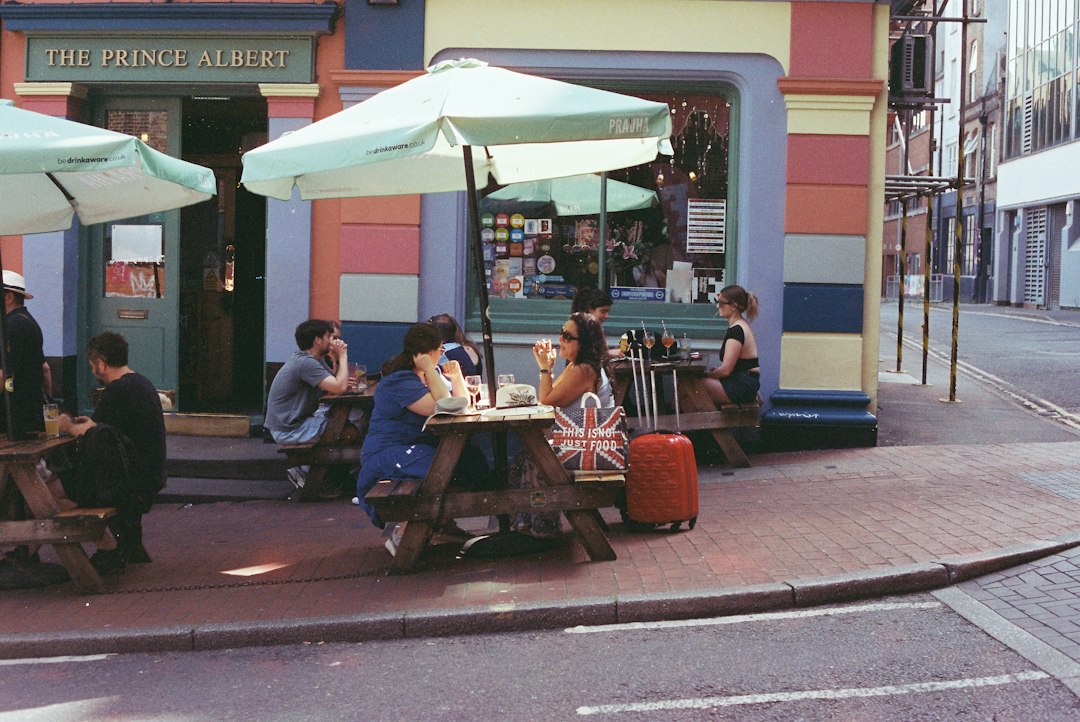
Have you ever planned a trip primarily around what you’re going to eat? If so, you’re not alone! Food travel has exploded in popularity, transforming how we explore cultures and connect with local communities. It’s more than just dining; it’s an immersive experience that tantalizes your taste buds and broadens your horizons. But with so many incredible places to savor, where do you even begin? And how can we ensure our delicious adventures are also responsible ones? Let’s dive into the evolving world of culinary tourism and discover some mouth-watering tips for your next journey! 😊
The Flavor Revolution: Understanding Culinary Tourism Trends in 2026 🤔
Culinary tourism, also known as food tourism or gastronomic tourism, involves traveling to experience the local food and drink of a region. This isn’t just about eating at fancy restaurants; it encompasses cooking classes, food festivals, farm visits, market tours, and street food adventures. In 2026, we’re seeing a significant shift towards more authentic, immersive, and sustainable experiences. Travelers are increasingly prioritizing local, ethically sourced ingredients and seeking out unique culinary narratives.
Recent studies highlight the robust growth of this sector. Experts predict that the global culinary tourism market will continue its upward trajectory, driven by a desire for unique cultural immersion and the rise of social media showcasing diverse food experiences. This means more opportunities for you to explore hidden gems and taste truly local flavors!
The culinary tourism market is projected to reach an estimated value of over $1.8 trillion by 2028, indicating a strong and growing interest in food-focused travel. This trend underscores the importance of food in shaping travel decisions.
Top Emerging Foodie Destinations to Explore in 2026 📊
While classic foodie cities like Paris and Rome will always hold a special place, 2026 is all about discovering the next big thing. Travelers are venturing beyond the usual suspects to uncover vibrant, authentic culinary scenes. Here are a few destinations making waves:
- Mexico City, Mexico: A gastronomic powerhouse, Mexico City offers everything from bustling street food stalls serving tacos al pastor to Michelin-starred restaurants redefining Mexican cuisine. Its diverse regional influences make every meal an adventure.
- Lyon, France: Often dubbed the “gastronomic capital of France,” Lyon boasts traditional “bouchons” serving hearty, authentic Lyonnaise dishes. Beyond the classics, a new wave of innovative chefs is putting a modern twist on local ingredients.
- Lisbon, Portugal: From fresh seafood grilled to perfection to the iconic Pastel de Nata, Lisbon’s food scene is booming. Its vibrant markets and charming tascas offer endless opportunities for delicious discoveries.
- Hanoi, Vietnam: Famous for its incredible street food culture, Hanoi is a paradise for foodies. Slurp a bowl of pho, savor a crispy banh mi, or explore the intricate flavors of Vietnamese cuisine in a local cooking class.
Culinary Hotspots at a Glance
| Destination | Signature Cuisine | Vibe | Key Experience |
|---|---|---|---|
| Mexico City | Diverse Mexican, Street Food | Vibrant, Bustling | Taco tours, Fine Dining |
| Lyon | Classic French, Lyonnaise | Elegant, Traditional | Bouchons, Market Exploration |
| Lisbon | Seafood, Portuguese Tapas | Charming, Lively | Pastel de Nata, Fado & Dinner |
| Hanoi | Vietnamese Street Food | Authentic, Energetic | Pho, Cooking Classes |
Popular foodie destinations can get crowded, especially during peak seasons. Always make restaurant reservations in advance, especially for highly-rated establishments. For street food, research reputable vendors to ensure food safety and quality.
Key Checkpoints: Don’t Forget These! 📌
Followed along so far? With so much to digest, here are the absolute essentials to remember. Please keep these three points in mind:
-
✅
Culinary Tourism is Booming!
The desire for authentic food experiences is driving significant growth in global travel, making it a prime time to explore new culinary horizons. -
✅
Explore Emerging Destinations!
Look beyond the usual suspects to uncover vibrant and unique food scenes in cities like Mexico City, Lyon, Lisbon, and Hanoi. -
✅
Plan for Peak Experiences!
Always book reservations for popular spots and research local vendors to ensure the best and safest culinary adventures.
Sustainable Sips and Bites: Eco-Conscious Food Travel Tips 👩💼👨💻
As we indulge in the world’s flavors, it’s crucial to travel responsibly. Sustainable food travel isn’t just a buzzword; it’s a practice that benefits local communities, preserves culinary traditions, and minimizes environmental impact. Here are some tips to make your food journey more eco-friendly:
- Eat Local and Seasonal: Prioritize restaurants and markets that source ingredients locally and seasonally. This supports local farmers and reduces the carbon footprint associated with food transportation.
- Reduce Food Waste: Be mindful of portion sizes and avoid ordering more than you can eat. If possible, bring a reusable container for leftovers.
- Support Local Businesses: Choose independent restaurants, family-run eateries, and local food stalls over large chains. This directly contributes to the local economy and helps preserve unique culinary heritage.
- Be Adventurous, Be Respectful: Try local dishes and be open to new flavors. Respect local customs and traditions, especially when dining.
- Minimize Plastic: Carry a reusable water bottle and coffee cup. Decline plastic straws and bags whenever possible.
When in doubt about local food practices or sourcing, don’t hesitate to ask! Many chefs and vendors are proud to share the story behind their ingredients and traditions.
Practical Example: A Sustainable Culinary Journey in Oaxaca, Mexico 📚
Let’s imagine a traveler, Sarah, embarking on a food adventure in Oaxaca, Mexico, known for its rich indigenous culinary traditions and vibrant markets. She wants to experience authentic flavors while being mindful of her impact.
Sarah’s Situation
- Goal: Experience authentic Oaxacan cuisine and learn about local food culture sustainably.
- Duration: 7 days.
Her Journey & Choices
1) Sarah booked a cooking class focusing on traditional Oaxacan mole, where ingredients were sourced directly from a local “mercado” (market). This supported local vendors and preserved culinary knowledge.
2) She opted for small, family-run “comedores” (eateries) and street food stalls recommended by locals, ensuring her money directly benefited the community.
3) She visited an organic coffee farm on the outskirts of Oaxaca, learning about sustainable farming practices and purchasing beans directly from the producers.
4) She carried a reusable water bottle and shopping bag, minimizing plastic waste during her market visits and daily explorations.
Final Outcome
– Authentic Experience: Sarah tasted incredible, diverse Oaxacan dishes and learned to prepare some herself, gaining a deep appreciation for the local food culture.
– Positive Impact: Her choices directly supported local businesses, farmers, and artisans, contributing to the economic well-being of the community while minimizing her environmental footprint.
Sarah’s experience demonstrates that with a little planning and conscious choices, food travel can be both incredibly rewarding for the traveler and beneficial for the destination. It’s about savoring the flavors while respecting the hands that prepare them and the land they come from.
Wrapping Up: Your Next Delicious Journey Awaits! 📝
The world of culinary travel is richer and more diverse than ever before. From bustling street food scenes to serene farm-to-table experiences, there’s a feast for every palate and a story behind every dish. As you plan your next adventure, remember to seek out authentic flavors, explore emerging destinations, and embrace sustainable practices. Your taste buds, local communities, and the planet will thank you!
What’s your dream foodie destination for 2026? Share your thoughts and questions in the comments below! Happy travels and happy eating! 😊