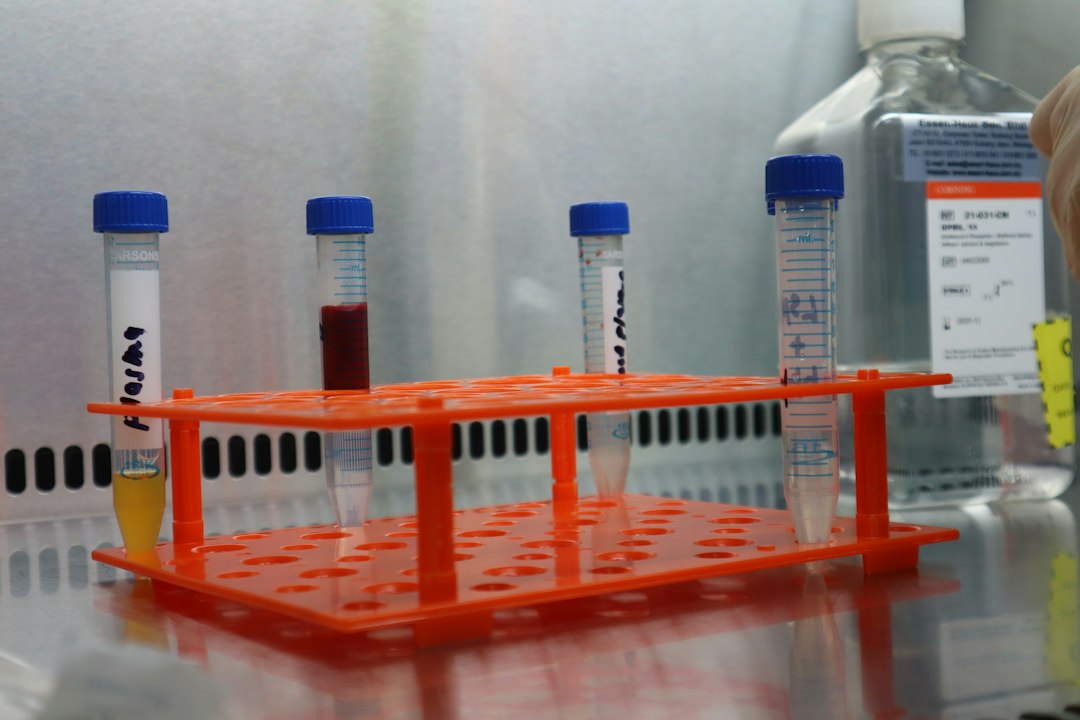
Have you ever wondered if your blood type truly dictates your personality, or perhaps your romantic compatibility? While these are fun topics for casual conversation, the real magic and profound importance of blood types lie in their incredible impact on medical science and our ability to save lives. Today, we’re diving deep into the factual, life-saving world of blood type compatibility, moving beyond the myths to uncover its critical role in transfusions, organ transplants, and even pregnancy. Let’s get started! 😊
The ABO and Rh Systems: Your Unique Blood Signature 🤔
At its core, your blood type is determined by the presence or absence of specific antigens (proteins and sugars) on the surface of your red blood cells. The two most crucial classification systems are the ABO system and the Rh factor.
The ABO system categorizes blood into four main types: A, B, AB, and O. Each type is defined by the specific antigens present. For instance, Type A blood has A antigens, Type B has B antigens, Type AB has both A and B antigens, and Type O has neither. Complementing this is the Rh factor. If your red blood cells carry the Rh protein, you’re Rh-positive; if not, you’re Rh-negative. This creates the eight common blood types we know: A+, A-, B+, B-, AB+, AB-, O+, and O-. About 85% of people are Rh-positive.
Scientists continue to discover new blood group systems beyond ABO and Rh. For example, the MAL blood group system was officially established in 2024, resolving a 50-year mystery! This ongoing research highlights the incredible complexity and diversity of human blood.
Blood Transfusions: A Lifesaving Match 📊
Blood transfusions are a cornerstone of modern medicine, essential for surgeries, cancer treatments, chronic illnesses, and traumatic injuries. However, a successful transfusion hinges entirely on blood type compatibility to prevent life-threatening immune reactions. When incompatible blood is transfused, the recipient’s immune system recognizes the foreign antigens and attacks the transfused red blood cells, which can be fatal.
The general rules of transfusion compatibility are crucial. Type O-negative blood is considered the “universal donor” because it lacks both A, B, and Rh antigens, meaning it can be given to patients of all blood types in emergencies. Conversely, Type AB-positive is the “universal recipient” as individuals with this blood type have all ABO and Rh antigens, allowing them to receive blood from any type.
Blood Transfusion Compatibility Chart
| Donor Blood Type | Can Donate To | Can Receive From | Key Info |
|---|---|---|---|
| O-Negative | All blood types | O-Negative | Universal Donor |
| O-Positive | O+, A+, B+, AB+ | O+, O- | Common donor for positive types |
| A-Negative | A-, A+, AB-, AB+ | A-, O- | Can donate to all A and AB types |
| A-Positive | A+, AB+ | A+, A-, O+, O- | Common recipient |
| B-Negative | B-, B+, AB-, AB+ | B-, O- | Can donate to all B and AB types |
| B-Positive | B+, AB+ | B+, B-, O+, O- | Common recipient |
| AB-Negative | AB-, AB+ | AB-, A-, B-, O- | Universal recipient for negative types |
| AB-Positive | AB+ | All blood types | Universal Recipient |
The demand for blood is constant and significant. In the U.S. alone, approximately 29,000 units of red blood cells are needed every day, and nearly 16 million blood components are transfused annually. The blood transfusion market was valued at USD 7.53 billion in 2025 and is projected to reach USD 7.98 billion in 2026, indicating sustained demand. Despite this, only about 3% of age-eligible people in the U.S. donate blood yearly, making every donation critical.
While universal donor/recipient types exist, doctors always prioritize matching blood types as closely as possible to minimize any potential adverse reactions and ensure the best outcome for the patient.
Key Checkpoints: What to Remember! 📌
You’ve made it this far! Since this can be a lot of information, let’s quickly recap the most important takeaways. Please keep these three points in mind:
-
✅
Blood Types are Crucial for Medical Safety
Beyond casual interest, your blood type is a vital medical identifier, critical for safe transfusions and transplants. -
✅
Compatibility Prevents Life-Threatening Reactions
Precise matching is essential to avoid severe immune responses during medical procedures like transfusions and organ donation. -
✅
Rh Factor is Key in Pregnancy
Rh incompatibility between mother and baby requires careful management (like RhIg injections) to protect the baby’s health.
Organ Transplants: A Complex Compatibility Challenge 👩💼👨💻
When it comes to organ transplantation, blood type compatibility is one of the most critical factors for a successful outcome, similar to blood transfusions. If the donor and recipient have incompatible blood types, the recipient’s immune system can produce antibodies against the new organ, leading to rejection and potentially graft failure or patient death.
The rules for ABO blood type matching in organ transplantation are generally the same as for blood transfusions. For example, an O donor can give to O, A, B, and AB recipients, while an AB recipient can receive from any blood type. However, organ transplantation involves an additional layer of complexity: Human Leukocyte Antigen (HLA) matching, also known as tissue typing. HLA antigens are proteins on the cells of the body, and a better HLA match correlates with longer graft survival. Even with a less-than-perfect HLA match, modern immunosuppression drugs have significantly improved transplant success rates.
Accurate blood type determination is a crucial component of the organ matching process. New guidance documents, like those implemented by HRSA in February 2026, aim to increase patient safety by addressing all issues that may affect the accuracy of blood type determination.
Rh Factor in Pregnancy: Protecting Mother and Baby 📚
The Rh factor takes on unique importance during pregnancy. If an Rh-negative mother carries an Rh-positive baby (a situation known as Rh incompatibility), complications can arise. While the mother’s and baby’s blood usually don’t mix during pregnancy, small amounts of fetal blood can enter the mother’s bloodstream during delivery, miscarriage, abortion, or certain medical procedures.
If an Rh-negative mother is exposed to Rh-positive blood, her immune system may recognize the Rh protein as foreign and produce antibodies against it. This process is called Rh sensitization. The first pregnancy with Rh incompatibility is usually unaffected, but these antibodies remain in the mother’s body and can cross the placenta in future pregnancies, attacking an Rh-positive baby’s red blood cells. This can lead to hemolytic disease, causing anemia, brain damage, or even death in the fetus or newborn.
Preventing Rh Incompatibility Complications
- Early Testing: Rh factor testing is a routine part of prenatal care to identify potential incompatibility.
- RhIg Injections: If an Rh-negative mother has not been sensitized, she will typically receive Rh immune globulin (RhIg), often known as RhoGAM®, around 28 weeks of pregnancy and again within 72 hours after delivery if the baby is Rh-positive. This medication prevents the mother’s immune system from forming antibodies.
- Monitoring: Close monitoring of future pregnancies is essential if Rh antibodies have already developed.
Thanks to modern screening and treatment, most people with Rh differences can have healthy pregnancies and babies. RhIg is a highly effective preventive treatment, and early identification and management are key.
Beyond Science: Addressing Blood Type Myths 📝
While the medical significance of blood types is undeniable, it’s equally important to address common misconceptions. In some cultures, particularly in East Asia, there’s a popular belief (ketsueki-gata) that blood type influences personality traits, temperament, and even compatibility with others. For instance, Type A individuals are often stereotyped as organized and anxious, while Type O individuals are seen as confident leaders.
However, the overwhelming consensus in psychology and behavioral science is clear: there is no strong or consistent scientific evidence to support a link between blood type and personality. Studies that have investigated these connections have failed to find reliable links, and any perceived resemblances often stem from psychological biases like confirmation bias. While personality typing can be a fun way to understand oneself, it’s crucial to distinguish between cultural beliefs and scientific facts. For understanding personality, proven psychological frameworks offer more reliable and research-based insights.
Blood Type Compatibility: Quick Facts
Frequently Asked Questions ❓
Conclusion: The Unseen Hero of Health 📝
Our blood type, often taken for granted or viewed through the lens of pop culture, is in reality an unseen hero in the world of health. Its precise characteristics dictate the safety of life-saving medical procedures and play a crucial role in ensuring healthy pregnancies. Understanding the scientific facts of blood type compatibility empowers us to appreciate the marvels of modern medicine and recognize the constant need for blood donations.
By focusing on the evidence-based realities, we can better appreciate the intricate science that keeps us healthy and allows medical professionals to perform miracles every day. Do you have any further questions about blood type compatibility or personal experiences to share? Feel free to ask in the comments below! 😊