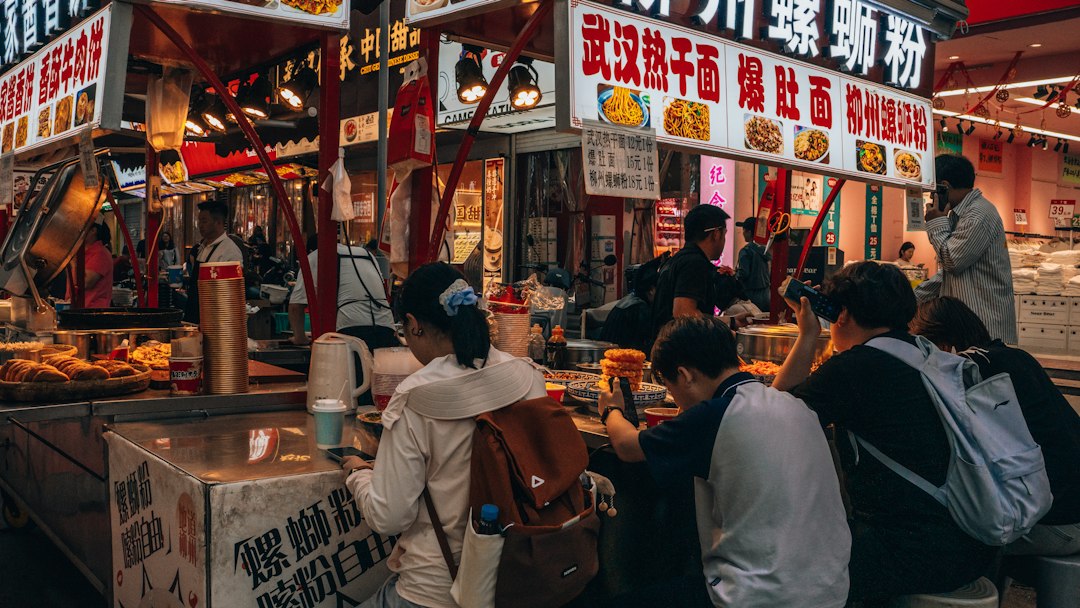
Have you ever planned an entire trip around what you’re going to eat? If so, you’re definitely not alone! It seems like more and more travelers are making food the centerpiece of their adventures, and I totally get it. Food isn’t just sustenance; it’s a gateway to culture, history, and incredible memories. In 2026, culinary tourism isn’t just a trend; it’s a dominant force, with nearly 80% of travelers now choosing destinations based on their cuisine. So, if you’re ready to ditch the generic tourist traps and dive into authentic, mouth-watering experiences, you’ve come to the right place! Let’s explore the top food destinations and unlock some smart travel tips to make your gastronomic journey truly unforgettable. 😊
The Rise of Culinary Travel: More Than Just a Meal 🤔
Culinary tourism has exploded, evolving from a niche interest into a primary decision-making factor for global travel. The culinary tourism market is projected to grow from an estimated $1.23 trillion in 2026 to $2.19 trillion by 2030, boasting a remarkable 15.5% compound annual growth rate. This isn’t just about Michelin-starred dining anymore; it’s about authentic experiences that connect us with local traditions, ingredients, and the stories behind each dish. Travelers are increasingly seeking hands-on cooking classes, market tours, and opportunities to dine with local hosts, moving beyond demonstrations to full immersion.
What’s driving this shift? A desire for deeper cultural connection, an appreciation for sustainable practices, and the simple joy of discovering unique flavors that tell a regional story. We’re seeing a move towards “micro-seasonal and zero-mile dining,” where menus change daily based on what’s just been harvested nearby. Plus, with AI-powered trip planning on the rise, travelers are making more deliberate and informed booking decisions, often filtering for unique and authentic experiences.
In 2025, UNESCO added Italian cooking to its Intangible Cultural Heritage of Humanity list, recognizing an entire cuisine for the first time. This highlights the global recognition of food as a vital part of cultural heritage.
Top Culinary Destinations to Savor in 2026 📊
The world is brimming with incredible places for food lovers in 2026. While classics like Italy and Japan remain perennial favorites, new hotspots and emerging culinary scenes are capturing attention. Here are some destinations that should be on every foodie’s radar:
Michelin-Starred Wonders & Ancient Traditions
| Destination | Culinary Highlight | Why Visit in 2026 | Key Dishes/Experiences |
|---|---|---|---|
| San Sebastian, Spain | More Michelin stars per square foot than almost any city (second only to Kyoto). | A prime destination for luxury food tourism and avant-garde Basque cuisine. | Pintxos, fresh seafood (anchovies, hake, turbot), cured meats, local cheeses. |
| Lima, Peru | Produced two of the last three World’s Best Restaurant titles, four in global top 40. | Cutting-edge gastronomy blending traditional Andean ingredients with modern techniques. | Ceviche, traditional Andean specialties, innovative fine dining. |
| Oaxaca, Mexico | Food culture rooted in 3,000 years of indigenous culinary history. | Known for unique ingredients, multi-day moles, and ancient smoke kitchens. | Rich, complex mole sauces, traditional mezcal, ancestral maize workshops. |
| Tokyo, Japan | Holds the most Michelin stars of any city globally. | Offers everything from sushi omakase to kaiseki dinners and vibrant food districts. | Sushi, ramen, kaiseki, street food, hand-rolled soba immersions. |
| Rouen, France | UNESCO Creative City of Gastronomy status since 2021, with a long-term program through 2026. | Showcasing Norman dairy excellence and reimagining traditions through modern techniques. | Unpasteurized cheeses, cultured butter, cream-heavy sauces, regional cider, Calvados. |
Beyond these, cities like Hanoi (Vietnam) for its delicate broth dishes, Montreal (Canada) for bagels and poutine, and Chiang Mai (Thailand) for khao soi are also gaining significant traction for their unique culinary offerings in 2026.
Overtourism fatigue is real. In 2026, travelers are actively avoiding crowds and planning around them. Consider visiting secondary cities, shoulder seasons, or less obvious destinations for a more authentic experience.
Key Checkpoints: Don’t Miss These Culinary Travel Essentials! 📌
You’ve made it this far, and I know there’s a lot to digest! So, let’s quickly recap the most crucial takeaways for your next food-focused adventure. Keep these three points in mind, and you’ll be well on your way to a truly memorable trip.
-
✅
Food is the New Focus:
Nearly 80% of travelers are now choosing destinations based on their cuisine, making culinary experiences a primary driver for travel decisions in 2026. -
✅
Authenticity & Immersion Reign Supreme:
Beyond fine dining, travelers crave genuine connections through street food, local markets, and hands-on cooking classes. -
✅
Budget-Friendly & Sustainable Choices are Key:
Eating like a local, cooking some meals, and seeking out sustainable food systems are smart ways to save money and travel responsibly.
Smart Food Travel Tips for 2026 👩💼👨💻
So, you’ve picked your destination, but how do you maximize your food experience without breaking the bank or falling into tourist traps? Here are some insider tips for 2026:
- Eat Like a Local: This is probably the golden rule. Venture beyond the main tourist areas. Look for places where menus aren’t in multiple languages, and don’t be afraid of those “hole-in-the-wall” spots. Street food is often the most authentic and affordable way to experience local cuisine, especially in places like Asia.
- Hit the Markets & Grocery Stores: Local markets are a feast for the senses and a fantastic place to buy fresh produce, local snacks, and ingredients for a picnic. Exploring foreign grocery aisles can make you feel more like a local and is a great way to discover everyday flavors.
- Cook Some of Your Meals: If you’re staying in an accommodation with a kitchen or kitchenette, utilize it! Cooking even half of your meals can significantly cut down on costs. Many hostels also offer free breakfasts and sometimes even dinners.
- Embrace Food Tours & Classes: These experiences offer authentic cultural immersion, connecting you with local traditions and stories. Look for chef-led tours that reveal hidden gems.
- Seek Sustainable Options: Travelers are increasingly prioritizing sustainable choices. Look for restaurants and tours that champion local producers, preserve culinary heritage, and promote responsible practices.
- Snack Like a Local: Local snacks are becoming the new travel souvenir. Grab some unique chips, cookies, or condiments from a neighborhood bodega. It’s a fun way to bring a taste of your vacation home and support regional makers.
A recent study found that short-term renters buy an average of $34 a day in groceries but let $12 of it go uneaten. Shop for two or three days at a time, not the whole trip, to avoid food waste and maximize savings.
Real-World Example: A Culinary Journey Through Mexico City 📚
Let’s imagine a traveler, Sarah, on a 2026 culinary adventure to Mexico City, a vibrant metropolis known for its legendary food scene.
Sarah’s Situation
- Goal: Experience authentic Mexican cuisine on a moderate budget.
- Accommodation: An Airbnb with a small kitchenette in the Roma Norte neighborhood.
- Duration: 7 days.
Sarah’s Strategy
1) Morning Market Exploration: On her first day, Sarah visited Mercado Roma, a gourmet market, and later a local “mercado” to buy fresh fruits, tortillas, and ingredients for simple breakfasts and a few dinners. She noticed that grocery shopping made her feel more like a local.
2) Street Food Adventures: For lunches and some dinners, Sarah sought out street food stalls away from the busiest tourist areas. She enjoyed authentic al pastor tacos sliced fresh from the spit and crispy churros, often for just a few dollars.
3) Cooking Class Immersion: Sarah booked a cooking class focusing on traditional mole sauces, a key part of Mexican culinary heritage, particularly from Oaxaca. This gave her hands-on experience and a deeper understanding of the local ingredients and techniques.
4) Local Snack Souvenirs: Before heading home, she stocked up on unique Mexican candies and local hot sauces from a neighborhood bodega, bringing a taste of her trip back with her.
Final Result
– Authentic Experience: Sarah fully immersed herself in Mexico City’s diverse food culture, from street food to traditional cooking.
– Budget Management: By cooking some meals and prioritizing street food, she kept her daily food expenses well below the average $58 a day.
Sarah’s trip exemplifies how strategic planning and an adventurous spirit can lead to a rich, authentic, and budget-conscious culinary travel experience. It’s about balancing different dining options and embracing local customs.
Wrapping Up: Your Next Culinary Adventure Awaits! 📝
As we look ahead to 2026 and beyond, it’s clear that food travel is more than just a passing fancy; it’s a profound way to connect with the world. From the Michelin-starred wonders of San Sebastian and Lima to the ancient culinary traditions of Oaxaca and the vibrant street food scenes of Bangkok and Mexico City, there’s a delicious journey waiting for every palate.
Remember to embrace authenticity, seek out local experiences, and use smart strategies to make your food adventures both memorable and sustainable. So, what are you waiting for? Start planning your next delicious escape today, and let your taste buds lead the way! If you have any questions or your own favorite food travel tips, share them in the comments below! 😊
Culinary Travel Snapshot 2026
Frequently Asked Questions ❓
Copyright © 2025 QHost365.com ®