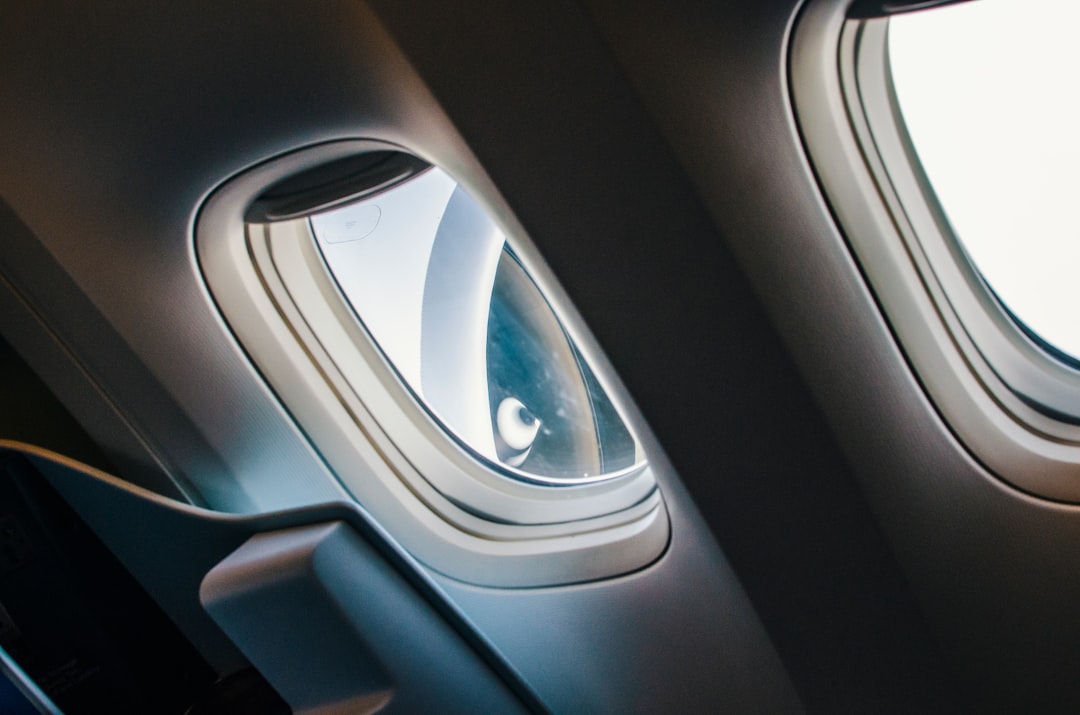
We’ve all been there: settling into an airplane seat, only to realize it’s going to be a long, uncomfortable journey. Whether it’s a short hop or a transatlantic marathon, seat comfort can truly make or break your travel experience. But what if I told you there are secrets to unlocking a more comfortable flight, regardless of your budget? In 2025, with airlines constantly evolving their cabins and seating options, knowing where to sit can be your superpower. Let’s dive into the world of airplane seats and find out where you can truly relax! 😊
Understanding Your Comfort Priorities 🤔
Before we explore specific seat types, it’s crucial to understand what “comfort” means to you. Are you a “sleeper” who needs a window to lean against, or a “mover” who values easy aisle access? Perhaps you’re an “anxious flyer” who prefers stability over the wing, or a “space seeker” hoping for an empty adjacent seat. Identifying your traveler type is the first step to choosing your ideal spot. According to a Kaiser Associates survey, 45% of respondents prioritize seat comfort above other amenities like legroom, in-flight entertainment, and Wi-Fi. This percentage rises to 49% for frequent pleasure travelers, highlighting the universal desire for a comfortable seat.
The airline industry is continuously innovating. In 2024, new cabin designs from airlines like Lufthansa and Japan Airlines introduced features like hardshell seatbacks that recline without disturbing the person behind, motorized legrests, and enhanced privacy partitions in Premium Economy. Even in Economy, slimline seats are being introduced to improve legroom and reduce aircraft weight.
While seat pitch (the distance between rows) and width are key, modern innovations like ergonomic cushioning, adjustable headrests, and even Bluetooth-enabled entertainment screens are significantly enhancing comfort across all classes.
Economy Class: Maximizing Your Space 📊
Let’s be honest, most of us fly economy. But even here, there are strategies to boost your comfort. The standard seat pitch in economy class typically ranges from 30 to 32 inches, with some low-cost carriers going as low as 28 inches. However, some airlines are making strides. For instance, JetBlue boasts an average seat pitch of 32.7 inches in economy, making it one of the most generous in the U.S. Japan Airlines, a consistent winner of the “World’s Best Economy Class Airline Seat” award, offers a 2-4-2 configuration on its Dreamliners, providing wider seats (up to 19 inches) and a 34-inch seat pitch.
For those seeking a little more, Economy Plus (or Economy Comfort) seats are a popular choice. These seats, often located at the front of the main cabin, offer more legroom (typically 5-7 inches more than standard economy) and sometimes additional perks like priority boarding or enhanced meal service. Delta’s Comfort+ seats, for example, provide 34 to 35 inches of legroom.
Economy Seat Comparison: Standard vs. Enhanced Options
| Seat Type | Legroom (Pitch) | Width | Key Advantages |
|---|---|---|---|
| Standard Economy | 28-32 inches | 17-18 inches | Most affordable |
| Economy Plus/Comfort+ | 34-38 inches | Similar to standard | Extra legroom, priority boarding |
| Exit Row | Significantly more legroom | Can be narrower due to fixed armrests | Maximized legroom, no recline in front |
| Bulkhead | Extra legroom (variable) | Can be narrower due to fixed armrests | No reclining seat in front, bassinet hooks |
While exit rows and bulkhead seats offer more legroom, they often come with fixed armrests, which can slightly reduce seat width. Also, exit row seats may not recline due to safety regulations, and bulkhead seats lack under-seat storage, requiring all bags to be stowed overhead.
Key Checkpoints: Remember These Tips! 📌
You’ve made it this far! With so much to consider, let’s quickly recap the most crucial points for finding your perfect airplane seat. Keep these three things in mind for your next flight.
-
✅
Prioritize Your Needs:
Are you a sleeper, a mover, or do you need stability? Your personal preference dictates the best seat. -
✅
Utilize Seat Maps & Reviews:
Always check sites like SeatGuru.com before booking to avoid unpleasant surprises like missing windows or non-reclining seats. -
✅
Consider Premium Options for Long-Haul:
For longer flights, the investment in Economy Plus or Premium Economy can significantly enhance comfort and reduce fatigue.
Beyond Economy: Premium Economy, Business, and First Class 👩💼👨💻
If your budget allows, stepping up from standard economy can dramatically improve your comfort. Premium Economy is an excellent middle ground, offering a separate cabin with wider seats, more legroom (38-42 inches pitch), deeper recline, and enhanced services like better meals and amenities. Airlines like Lufthansa and Japan Airlines are rolling out new Premium Economy seats in 2024-2025 with features like hardshell backs, motorized legrests, and privacy partitions.
Business and First Class, of course, offer the pinnacle of comfort. In 2025, Singapore Airlines’ Airbus A380 Suites were recognized as the world’s most comfortable first-class seat, featuring private suites with full-length beds, adjustable swivel chairs, and nearly 50 square feet of space. Qatar Airways’ Qsuite continues to be lauded as the world’s most comfortable business class seat, offering private suites with sliding doors, lie-flat beds, and even “quad suites” for groups.
Airlines are increasingly investing in premium cabins. New Business Class seats from Air New Zealand, American Airlines, and Cathay Pacific are set to debut or expand in 2025, focusing on privacy, larger seating areas, and upgraded amenities.
Practical Tips for a More Comfortable Flight 📚
Beyond choosing the right seat, there are several practical steps you can take to enhance your in-flight comfort:
Smart Booking & Preparation
- Book in Advance: This increases your chances of selecting your preferred seat.
- Check Seat Maps: Websites like SeatGuru.com provide detailed seat reviews and layouts for specific aircraft.
- Consider Aircraft Type: Newer planes like the Boeing 787 and Airbus A350 often feature higher humidity and lower cabin altitude, which can improve comfort.
During Your Flight
- Stay Hydrated: Airplane air can be very dry, leading to dehydration. Drink plenty of water.
- Move Around: On long flights, take regular breaks to walk and stretch to prevent blood clots.
- Pack Smart: Bring a good neck pillow, eye mask, and noise-canceling headphones to aid sleep. Compression socks can also help with circulation.
Emerging Innovations
Airlines are exploring new concepts to enhance comfort. Air New Zealand’s “SkyNest” bunks, for example, offer economy passengers a chance to lie flat and sleep on ultra-long flights. Qantas is even planning “Wellbeing Zones” on its A350-1000s for ultra-long flights by the end of 2025, offering spaces for snacks, drinks, and guided training programs.
By combining smart seat selection with these practical tips, you can significantly improve your comfort in the sky. Remember, a little planning goes a long way!
Wrapping Up: Your Journey to Comfort 📝
Navigating the world of airplane seats can feel overwhelming, but with the right knowledge, you can transform your travel experience. From strategically choosing an exit row in economy to indulging in the luxurious privacy of a first-class suite, comfort is within reach. The airline industry is continually evolving, with new seat designs and amenities emerging to meet passenger demands for a more pleasant journey.
So, next time you book a flight, take a moment to consider your comfort priorities and apply these tips. Your body (and your travel mood) will thank you! Do you have a go-to seat or a secret comfort hack? Share your thoughts in the comments below! 😊
Your Flight Comfort Checklist
Frequently Asked Questions ❓
